The Old Testament (part of the Christian Bible, also foundational to Judaism).
From the Testament curriculum
TL;DR
The Old Testament is the first major section of the Christian Bible, comprising 39 books, and is also the foundational sacred text for Judaism. It primarily details God's creation of the world, His covenant relationship with Israel, and includes law, history, prophecy, and wisdom literature. Understanding its major divisions and overarching narrative helps make sense of its diverse content and its continuing relevance.
1. The Mental Model
Think of the Old Testament as a foundational library, not a single book. It's a collection of ancient texts from different authors and times, all contributing to a grand narrative about God's interaction with humanity, particularly through the nation of Israel, setting the stage for later Christian beliefs.
2. The Core Material
The Old Testament, a cornerstone of both Christian and Jewish faith, contains 39 books (in the Protestant canon) that span thousands of years of history, prophecy, and divine instruction. It's often divided into several main sections, each with a distinct focus.
The Pentateuch (The Law/Torah)

Photo by Brett Jordan on Pexels
These are the first five books: Genesis, Exodus, Leviticus, Numbers, and Deuteronomy. This section is foundational, covering creation, the fall of humanity, the covenant with Abraham, the Exodus from Egypt, the giving of the Law at Mount Sinai, and the Israelites' wilderness journey. It establishes the core relationship between God and Israel, defining their identity and purpose through divine commands.
Historical Books
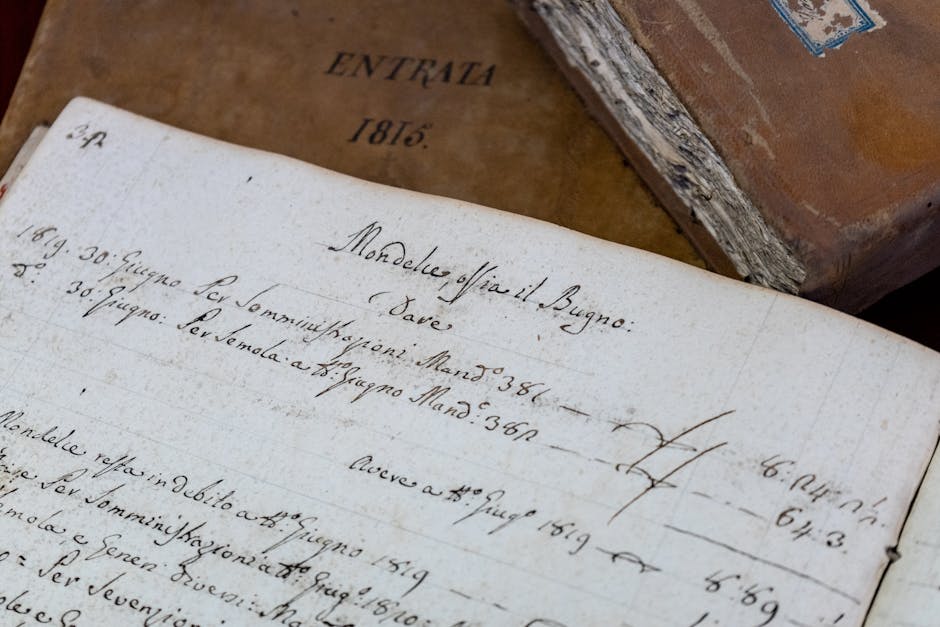
Photo by Donatello Trisolino on Pexels
This section, including Joshua, Judges, Ruth, 1 & 2 Samuel, 1 & 2 Kings, 1 & 2 Chronicles, Ezra, Nehemiah, and Esther, recounts the history of Israel from their entry into the Promised Land, through the periods of judges, kings, exile, and return. These books show the consequences of obedience and disobedience to God's covenant.
Wisdom and Poetry Books

Photo by Suzy Hazelwood on Pexels
Comprising Job, Psalms, Proverbs, Ecclesiastes, and Song of Solomon, these books explore universal human experiences like suffering, joy, wisdom, and love. They offer insights into living a godly life, expressing human emotion and wrestling with life's big questions through poetry, proverbs, and philosophical dialogue.
Prophetic Books

Photo by Brett Jordan on Pexels
Divided into Major Prophets (Isaiah, Jeremiah, Lamentations, Ezekiel, Daniel) and Minor Prophets (Hosea, Joel, Amos, Obadiah, Jonah, Micah, Nahum, Habakkuk, Zephaniah, Haggai, Zechariah, Malachi), these books contain messages from God delivered through prophets. They often call Israel back to faithfulness, warn of impending judgment due to sin, and offer hope for future restoration and the coming Messiah.
Here's a diagram showing the main divisions:
graph TD
    OT["The Old Testament"] --> P["1. Pentateuch (Law)"]
    OT --> H["2. Historical Books"]
    OT --> WP["3. Wisdom & Poetry"]
    OT --> PR["4. Prophetic Books"]

    P --> Gen["Genesis"]
    P --> Ex["Exodus"]
    P --> Lev["Leviticus"]
    P --> Num["Numbers"]
    P --> Deut["Deuteronomy"]

    H --> Josh["Joshua"]
    H --> Jud["Judges"]
    H --> Kgs["Kings (1 & 2)"]
    H --> Chro["Chronicles (1 & 2)"]
    H --> EzNe["Ezra & Nehemiah"]

    WP --> Job["Job"]
    WP --> Ps["Psalms"]
    WP --> Prov["Proverbs"]
    WP --> Eccl["Ecclesiastes"]

    PR --> MajP["Major Prophets"]
    PR --> MinP["Minor Prophets"]
Overarching Themes
Several themes weave through the Old Testament:
* Covenant: God establishes agreements (covenants) with humanity (e.g., Noah) and specifically with Israel (e.g., Abraham, Moses), promising blessings for obedience and consequences for disobedience.
* Sin and Redemption: The narrative consistently shows humanity's tendency to sin and God's consistent provision for redemption and restoration.
* Monotheism: A firm belief in one God, unique and sovereign over all creation.
* Messianic Expectation: Hints and prophecies throughout the books point towards a future deliverer, a Messiah, who would bring ultimate salvation.
3. Worked Example
Let's look at the story of the Exodus, primarily found in the book of Exodus.
- The Context (Exodus 1): The descendants of Jacob (Israelites) are enslaved in Egypt.
- God's Call (Exodus 3): God calls Moses at the burning bush to lead His people out of slavery.
- The Plagues (Exodus 7-12): God sends ten devastating plagues upon Egypt to force Pharaoh to release the Israelites. The final plague, the death of the firstborn, leads to the institution of Passover.
- The Departure (Exodus 12-14): The Israelites leave Egypt, cross the Red Sea miraculously, and begin their journey toward the Promised Land.
- The Law (Exodus 19-20): God gives Moses the Ten Commandments and other laws at Mount Sinai, establishing the covenant with Israel.
This single story shows God's power, His commitment to His covenant people, His judgment on oppressors, and the establishment of the Law that would guide Israel's life and worship.
4. Key Takeaways
- The Old Testament is a collection of 39 books, not a single narrative, spanning various genres like law, history, poetry, and prophecy.
- Its main divisions are the Pentateuch, Historical Books, Wisdom & Poetry, and Prophetic Books.
- Key themes include God's covenant with Israel, the reality of sin and God's redemption, and the expectation of a future Messiah.
- It lays the theological and historical groundwork for the New Testament, offering insights into God's character and purposes.
- The Pentateuch (Torah) is especially significant as it outlines God's law and the origin story of Israel.
Common Mistakes to Avoid:
- Don't read the Old Testament as a strict chronological history book without understanding its diverse literary forms.
- Avoid isolating individual verses or stories without considering their broader context within the book and the entire Old Testament narrative.
- Don't assume Old Testament laws or customs are directly applicable to modern life without understanding their original cultural and covenantal context.
- Don't overlook the connection between the Old Testament's prophecies and themes and their fulfillment or development in the New Testament.
5. Now Try It
Choose one of the five books of the Pentateuch (Genesis, Exodus, Leviticus, Numbers, or Deuteronomy). Spend 15 minutes reading a summary of that book (you can find these easily online or in a study Bible introduction). As you read, identify at least two major themes or events described in the book and how they relate to God's relationship with Israel.
Success looks like: You can clearly articulate what the book is generally about and describe at least two significant ideas or happenings it covers, showing you grasp its place in the broader Old Testament narrative.
Frequently asked about The Old Testament (part of the Christian Bible, also foundational to Judaism).
More from Testament
Get the full Testament curriculum
Clone the complete plan to your dashboard for unlimited AI-generated notes, practice quizzes, and a personalised revision schedule.
Save this course free