Foundational Principles of Ecosystems
From the how nature works in harmony curriculum
TL;DR
Ecosystems are communities of living things interacting with their non-living environment, all connected through cycles of energy and nutrients. They are dynamic systems striving for balance, adapting to changes through complex relationships. Understanding these principles helps us appreciate how nature works in harmony.
1. The Mental Model
Think of an ecosystem as a giant, intricate puzzle where every piece – from the smallest microbe to the largest tree – affects every other piece, and all are essential for the complete picture to function.
2. The Core Material
An ecosystem isn't just a collection of plants and animals; it's a dynamic system where living (biotic) components constantly interact with non-living (abiotic) components. These interactions drive essential processes that maintain life.
Biotic Components
These are all the living organisms within an ecosystem:
* Producers (Autotrophs): Organisms that create their own food, usually through photosynthesis (e.g., plants, algae). They form the base of the food web.
* Consumers (Heterotrophs): Organisms that get energy by eating other organisms.
* Primary Consumers (Herbivores): Eat producers (e.g., deer, rabbits).
* Secondary Consumers (Carnivores/Omnivores): Eat primary consumers (e.g., wolves, foxes).
* Tertiary Consumers (Top Carnivores/Omnivores): Eat secondary consumers (e.g., eagles, bears).
* Decomposers: Break down dead organic matter, returning nutrients to the soil (e.g., bacteria, fungi). They are crucial for nutrient cycling.
Abiotic Components
These are the non-living physical and chemical factors that influence living organisms:
* Sunlight: Primary energy source for most ecosystems.
* Water: Essential for all life processes.
* Temperature: Affects metabolic rates and species distribution.
* Soil: Provides nutrients, water, and support for plants.
* Air/Atmosphere: Contains gases like oxygen and carbon dioxide vital for life.
* Nutrients: Minerals and elements like nitrogen, phosphorus, and carbon.
Energy Flow

Photo by Atlantic Ambience on Pexels
Energy flows through an ecosystem in one direction, primarily starting from the sun. Producers capture this energy, and it's then transferred to consumers as they eat. However, a significant amount of energy is lost at each transfer (typically 90% as heat), which is why food chains are generally short. This is often visualized as an energy pyramid.
Nutrient Cycling
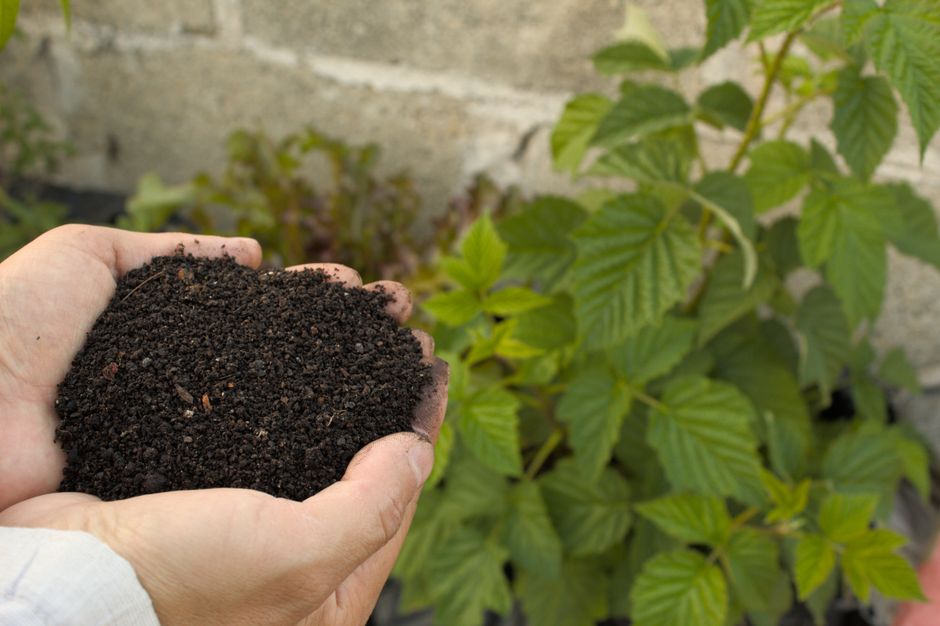
Photo by Silva Montanis on Pexels
Unlike energy, nutrients cycle within an ecosystem. Decomposers play a vital role in breaking down dead organisms and waste, releasing nutrients back into the soil or water for producers to absorb again. Key cycles include:
* Carbon Cycle: Movement of carbon through the atmosphere, oceans, soil, and living organisms.
* Nitrogen Cycle: Transformation of nitrogen gas into forms usable by living things, then back into the atmosphere.
* Water Cycle: Continuous movement of water on, above, and below the surface of the Earth.
Here's a diagram illustrating the basic flow within an ecosystem:
graph TD
    A["Sunlight (Energy Input)"] --> B["Producers (Plants/Algae)"]
    B --> C["Primary Consumers (Herbivores)"]
    C --> D["Secondary Consumers (Carnivores)"]
    D --> E["Tertiary Consumers (Top Predators)"]
    B --> F["Decomposers (Bacteria/Fungi)"]
    C --> F
    D --> F
    E --> F
    F --> G["Nutrients in Soil/Water"]
    G --> B
    A --> H["Abiotic Factors (Water, Temp, Soil)"]
    H --影响--> B
    H --影响--> C
    H --影响--> D
    H --影响--> E
Ecosystem Stability and Resilience
Ecosystems are dynamic and constantly changing. Stability refers to an ecosystem's ability to resist disturbance, while resilience is its ability to recover after a disturbance. Biodiversity (the variety of life) is crucial for both, as more diverse ecosystems often have more ways to adapt and maintain function.
3. Worked Example
Let's consider a simple forest ecosystem.
1. Energy Input: The sun shines on the forest.
2. Producers: Trees, shrubs, and grasses capture sunlight through photosynthesis, converting it into chemical energy (sugars).
3. Primary Consumers: A deer eats the leaves and twigs of a tree. A rabbit eats grass. Both get energy from the producers.
4. Secondary Consumers: A wolf hunts and eats the deer. A fox preys on the rabbit. The wolf and fox get energy from the primary consumers.
5. Decomposers: When the tree drops its leaves, or when the deer, rabbit, wolf, or fox eventually die, bacteria and fungi break down their organic matter.
6. Nutrient Cycling: As decomposers break down the dead material, they release essential nutrients (like nitrogen and phosphorus) back into the soil.
7. Abiotic Influence: Rain (water) allows the trees to grow and the deer to drink. The soil provides nutrients for the trees. The temperature influences when certain plants bloom or animals hibernate.
8. Re-absorption: The living trees and grasses absorb these recycled nutrients from the soil, completing the cycle, and the process continues.
This continuous flow of energy and cycling of nutrients, regulated by abiotic factors and driven by interactions between biotic components, maintains the forest ecosystem.
4. Key Takeaways
- Ecosystems involve constant interactions between living organisms and their non-living environment.
- Producers form the base of all food webs by converting sunlight into usable energy.
- Energy flows directionally through an ecosystem, decreasing at each transfer.
- Nutrients cycle continuously through an ecosystem, primarily facilitated by decomposers.
- Abiotic factors like sunlight, water, and temperature heavily influence all life within an ecosystem.
- Biodiversity enhances an ecosystem's stability and its ability to recover from disturbances.
- Every component, no matter how small, plays a role in the overall health and function of an ecosystem.
Common Mistakes to Avoid:
- Thinking energy recycles: Energy flows through and is largely lost as heat; it doesn't cycle like nutrients.
- Underestimating decomposers: They are absolutely vital for nutrient return and aren't just "clean-up crew."
- Ignoring abiotic factors: It's easy to focus on animals, but water, soil, and sunlight are equally critical.
- Seeing ecosystems as static: They are dynamic and constantly changing, adapting, and responding to internal and external forces.
5. Now Try It
Take a short walk in a local park, your garden, or even just look out a window at a patch of nature. For 15 minutes, identify at least one example of each of the following: a producer, a primary consumer (or evidence of one, like a nibbled leaf), an abiotic factor impacting that spot, and consider what decomposers might be working there (even if you can't see them directly). Reflect on how these elements might interact.
Frequently asked about Foundational Principles of Ecosystems
Study this next
Get the full how nature works in harmony curriculum
Clone the complete plan to your dashboard for unlimited AI-generated notes, practice quizzes, and a personalised revision schedule.
Save this course free