"timeframe": "Days 1-12",
From the Biology O'level curriculum
TL;DR
The menstrual cycle is a monthly series of changes a woman's body goes through in preparation for a possible pregnancy. Days 1-5 involve menstruation (a period), where the uterine lining sheds. From day 6, the uterus starts to rebuild its lining, and an egg matures in the ovary, preparing for ovulation around day 14.
1. The Mental Model
Think of your uterus as a cradle preparing for a baby. Each month, it builds a soft lining. If no baby arrives, it sheds that lining, and then starts building it up again, ready for the next chance.
2. The Core Material
The menstrual cycle is usually about 28 days long, but it can vary for different people. We're focusing on the first half.
Days 1-5: Menstruation (Your Period)

Photo by https://kaboompics.com/ on Pexels
This is the first phase of the cycle.
* What happens: The lining of the uterus (called the endometrium), which thickened in the previous cycle, is shed and expelled from the body through the vagina. This is what we call a "period."
* Why it happens: This occurs because the egg from the previous cycle wasn't fertilized, and hormone levels (progesterone and oestrogen) drop, signalling the body that pregnancy hasn't occurred.
* Key Hormones: Low levels of oestrogen and progesterone.
Days 6-12: The Proliferative Phase (Building Up)
Photo by Derezzed Art on Pexels
After menstruation stops, your body immediately starts preparing for the next potential pregnancy.
* What happens in the uterus: The lining of the uterus begins to thicken again. This is stimulated by rising oestrogen levels. It's like re-cushioning the cradle.
* What happens in the ovaries: In the ovaries, several follicles (sacs containing immature eggs) start to develop. One follicle usually becomes dominant and continues to mature. This dominant follicle produces more oestrogen.
* Key Hormones: Oestrogen levels start to rise significantly. Follicle-Stimulating Hormone (FSH) from the pituitary gland helps follicles grow.
graph TD
    A["Day 1: Menstruation Starts"] --> B["Uterine Lining Sheds"];
    B --> C["Oestrogen & Progesterone Low"];
    C --> D["FSH Starts to Rise (stimulates follicles)"];
    D --> E["Days 6-12: Uterine Lining Rebuilds"];
    E --> F["Dominant Follicle Matures (in ovary)"];
    F --> G["Oestrogen Levels Rise Steadily"];
    G --> H["Preparing for Ovulation (around Day 14)"];
The Role of Hormones
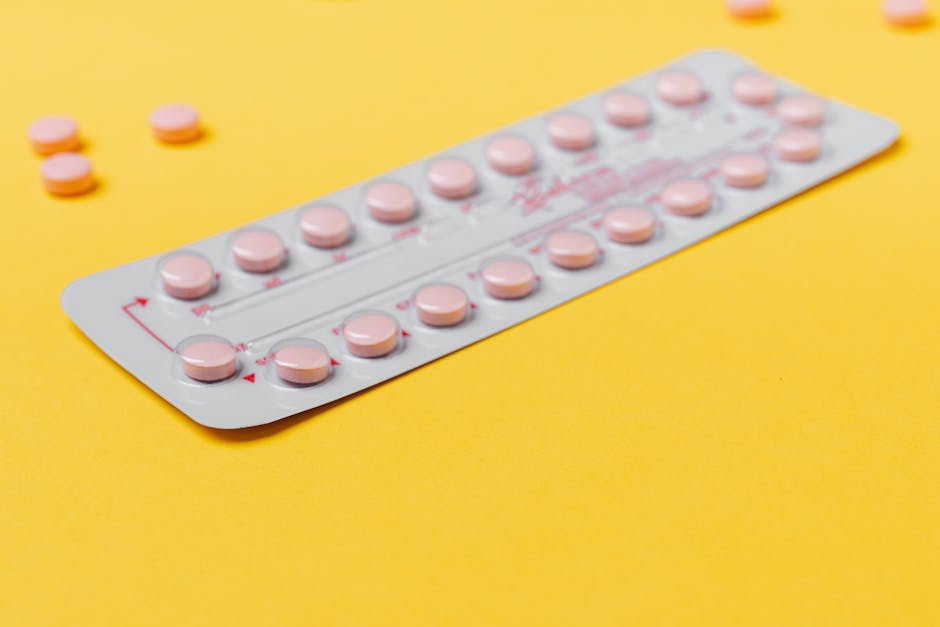
Photo by https://kaboompics.com/ on Pexels
- Oestrogen: This hormone is crucial for rebuilding the uterine lining. It also helps mature the egg within the ovary.
- Progesterone: While low during this initial phase, its role becomes significant after ovulation to maintain the uterine lining.
- FSH (Follicle-Stimulating Hormone): Secreted by the pituitary gland, FSH stimulates the growth and development of ovarian follicles.
3. Worked Example
Imagine Day 1 is Monday, January 1st.
* Jan 1st - Jan 5th: You're having your period. The uterine lining from December is shedding. Oestrogen and progesterone are low.
* Jan 6th - Jan 12th: Your period has stopped. Your body is now busy. Oestrogen levels are gradually increasing, causing the uterine lining to get thicker again. Simultaneously, one egg in your ovary is developing, getting ready to be released soon.
4. Key Takeaways
- The menstrual cycle starts on Day 1, which is the first day of your period.
- Days 1-5 are characterized by menstruation (shedding of the uterine lining).
- During Days 6-12, the uterine lining starts to rebuild, driven by increasing oestrogen.
- At the same time, an egg begins to mature inside a follicle in one of your ovaries.
- FSH helps stimulate the growth of these ovarian follicles.
- The body is constantly preparing for a potential pregnancy during these initial days.
Common Mistakes to Avoid:
* Confusing the start of menstruation with the start of egg maturation; they happen simultaneously but are distinct processes.
* Thinking the uterine lining thickens before menstruation ends; it starts rebuilding after the shedding phase.
* Believing that ovulation occurs in the first 12 days; it typically happens after this timeframe, around day 14.
5. Now Try It
Think about what happens if a woman takes birth control pills. Many birth control pills work by maintaining steady hormone levels (like oestrogen and progesterone). Based on what you've learned about the first 12 days, how might keeping these hormone levels steady prevent the events we've discussed from happening? Write down two ways this might work.
What success looks like: You've identified how consistent hormone levels from birth control could prevent the uterine lining from shedding, or prevent an egg from maturing, or both.
Frequently asked about "timeframe": "Days 1-12",
More from Biology O'level
Get the full Biology O'level curriculum
Clone the complete plan to your dashboard for unlimited AI-generated notes, practice quizzes, and a personalised revision schedule.
Create Free Account