"description": "Introduction to biology, characteristics of living organisms, levels of organisation, and foundational biological molecules.",
From the Biology O'level curriculum
TL;DR
Biology is the study of life, focusing on the common characteristics that define living things and how they're organised from tiny molecules to whole organisms. All living organisms share key traits like growth and reproduction, and are built from fundamental organic molecules. Understanding these levels and molecules is crucial for grasping how life works.
1. The Mental Model
Imagine life as a massive, intricate puzzle. Biology gives you the box lid (the big picture of life), shows you the shared features of all the puzzle pieces (characteristics of living things), and explains how those pieces fit together from the smallest atom to the complete picture (levels of organisation).
2. The Core Material
Biology is the scientific study of life. It explores how living things work, interact, and evolve. At its core, biology seeks to answer fundamental questions about life on Earth.
Characteristics of Living Organisms
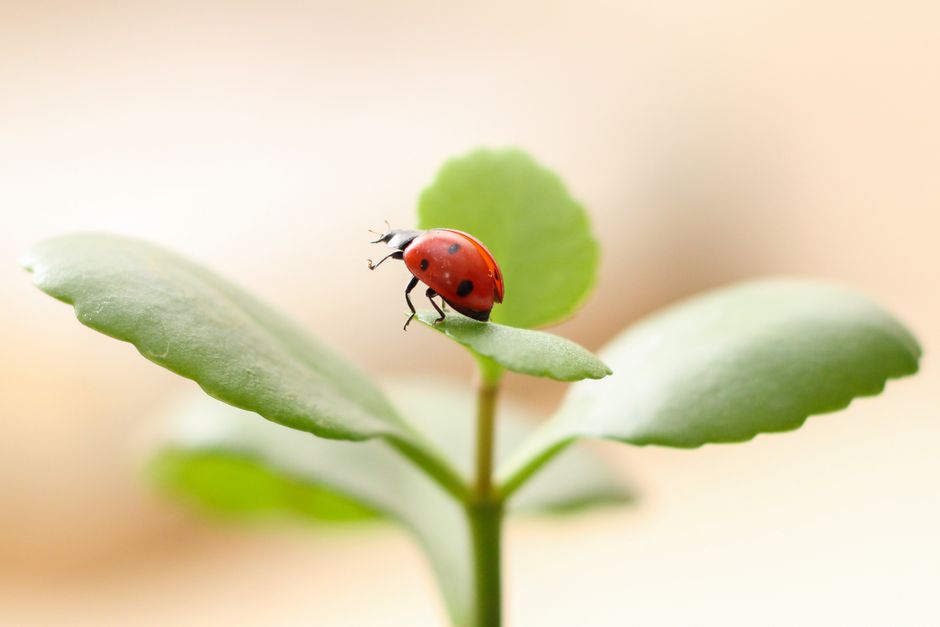
Photo by Fatulla Karimzada on Pexels
All living organisms, from the smallest bacteria to the largest whales, share seven key characteristics. You can remember them with the acronym MRS GREN:
- Movement: All living things can move, though this might be internal (e.g., blood circulation) or external (e.g., walking, swimming).
- Respiration: This is the process of releasing energy from food. It's not just breathing; it happens at a cellular level.
- Sensitivity: Living organisms can detect and respond to changes in their surroundings (stimuli), like light, temperature, or touch.
- Growth: All living things increase in size and/or complexity over time.
- Reproduction: Living organisms produce offspring, ensuring the continuation of their species.
- Excretion: They remove waste products of metabolism from their bodies.
- Nutrition: Living organisms take in and use food for energy, growth, and repair.
Levels of Organisation
Photo by Chennawit U on Pexels
Life is organised in a hierarchical way, meaning it builds up from simple components to complex systems. Understanding these levels helps us see the bigger picture.
graph TD
    A["Atoms"] --> B["Molecules"];
    B --> C["Organelles"];
    C --> D["Cells"];
    D --> E["Tissues"];
    E --> F["Organs"];
    F --> G["Organ Systems"];
    G --> H["Organism"];
    H --> I["Population"];
    I --> J["Community"];
    J --> K["Ecosystem"];
    K --> L["Biosphere"];
- Atoms: The basic building blocks of matter (e.g., Carbon, Hydrogen, Oxygen).
- Molecules: Two or more atoms bonded together (e.g., water H2O, glucose C6H12O6).
- Organelles: Specialised structures within a cell that carry out specific functions (e.g., nucleus, mitochondria).
- Cells: The basic structural and functional unit of all living organisms. Some organisms are single-celled, others are multi-cellular.
- Tissues: A group of similar cells working together to perform a specific function (e.g., muscle tissue, nervous tissue).
- Organs: Different tissues working together to perform complex functions (e.g., heart, stomach, brain).
- Organ Systems: A group of organs that cooperate to perform a major bodily function (e.g., digestive system, circulatory system).
- Organism: A complete living being, made up of one or more organ systems (e.g., a human, a tree, a bacterium).
- Population: A group of organisms of the same species living in the same area.
- Community: All the different populations living and interacting in a particular area.
- Ecosystem: A community of living organisms interacting with their non-living environment (e.g., a forest, a pond).
- Biosphere: The sum of all ecosystems on Earth; the part of Earth where life exists.
Foundational Biological Molecules (Macromolecules)

Photo by Google DeepMind on Pexels
These are large, complex molecules essential for life, often built from smaller repeating units. They are sometimes called "organic molecules" because they contain carbon and are typically found in living things.
- Carbohydrates: These are primary energy sources and structural components. Examples include sugars (like glucose), starch (energy storage in plants), and cellulose (plant cell walls). They're made of carbon, hydrogen, and oxygen.
- Proteins: Crucial for almost every function in a living cell. They act as enzymes (catalysing reactions), provide structural support (e.g., in hair and nails), transport substances (e.g., haemoglobin), and much more. Proteins are made of smaller units called amino acids.
- Lipids (Fats & Oils): These are important for long-term energy storage, insulation, and forming cell membranes. They are largely insoluble in water. Examples include fats, oils, and waxes.
- Nucleic Acids: These molecules carry genetic information. DNA (Deoxyribonucleic Acid) contains the genetic blueprint for life, while RNA (Ribonucleic Acid) is involved in protein synthesis. They are made of repeating units called nucleotides.
3. Worked Example
Let's trace the organisation of a human arm.
- We start with atoms like Carbon, Hydrogen, Oxygen, Nitrogen, etc.
- These atoms combine to form molecules such as water, glucose, fatty acids, and amino acids.
- These molecules then build up organelles within cells, like mitochondria (for energy) or ribosomes (for protein synthesis).
- Many of these organelles are found within a cell, such as a muscle cell or a nerve cell.
- Groups of similar muscle cells form muscle tissue, and groups of similar nerve cells form nervous tissue.
- Different tissues (e.g., muscle tissue, connective tissue, nervous tissue) come together to form an organ, like the biceps muscle in your arm.
- The biceps muscle works with other muscles, bones, and nerves to form part of the musculoskeletal system (an organ system).
- All these systems together make up the complete organism – a human.
4. Key Takeaways
- Biology is the study of life, explaining how living things function and interact.
- The seven characteristics of life (MRS GREN) help you identify if something is truly alive.
- Life is organised hierarchically, starting from atoms and building up to the biosphere.
- Cells are the fundamental units of all living organisms.
- Carbohydrates, proteins, lipids, and nucleic acids are the four main types of biological molecules vital for life.
- Proteins are made of amino acids, and nucleic acids are made of nucleotides.
Common Mistakes to Avoid:
- Confusing respiration (cellular energy release) with breathing (gas exchange).
- Forgetting that even plants show movement (e.g., growing towards light).
- Mixing up the levels of organisation, especially tissues, organs, and organ systems.
- Thinking all organic molecules are "food" – DNA is organic but not a nutrient in the same way carbohydrates are.
5. Now Try It
Think about a common houseplant. Using the MRS GREN characteristics, describe how you know it's a living organism. Then, pick one part of the plant (e.g., a leaf or a root) and describe at least three levels of organisation you'd find within that part, starting from molecules.
What success looks like: You'll accurately list how the plant demonstrates each of the MRS GREN characteristics and correctly identify molecules, cells, and tissues (or higher levels) within your chosen plant part.
Frequently asked about "description": "Introduction to biology, characteristics of living organisms, levels of organisation, and foundational biological molecules.",
More from Biology O'level
Get the full Biology O'level curriculum
Clone the complete plan to your dashboard for unlimited AI-generated notes, practice quizzes, and a personalised revision schedule.
Create Free Account