"name": "The Study of Living Organisms",
From the Biology O'level curriculum
TL;DR
Biology is the scientific study of life, exploring everything from tiny cells to entire ecosystems. You'll learn about the characteristics that define living things and the scientific process used to understand them. This topic sets the foundation for understanding all other areas of biology.
1. The Mental Model
Imagine biology as a giant puzzle, and you're a detective trying to figure out how all the pieces fit together to make life work. You'll observe, ask questions, and test ideas to understand living things.
2. The Core Material
Biology is a vast subject, but it all starts with understanding what makes something alive and how we study it.
What is Biology?
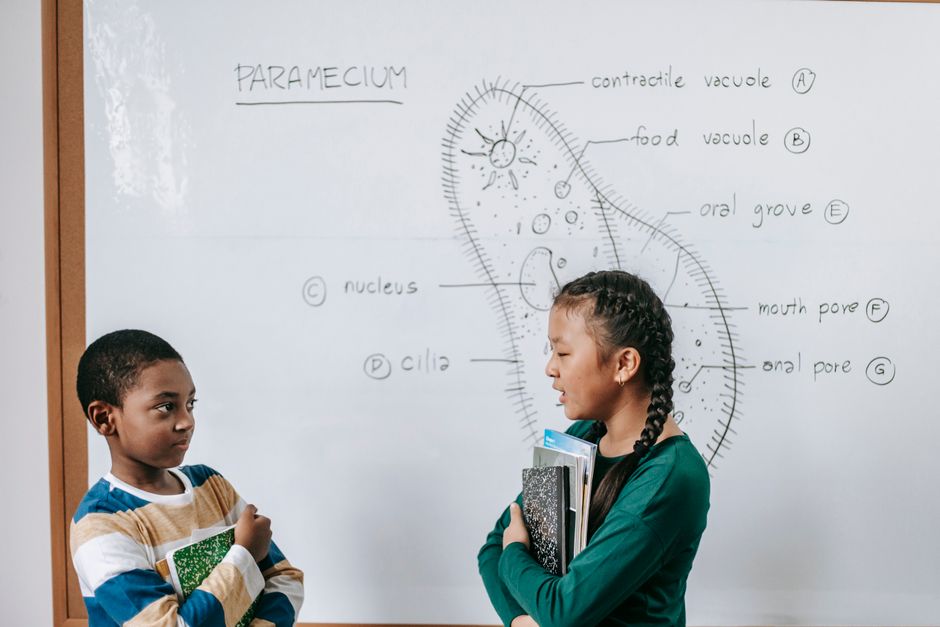
Photo by Katerina Holmes on Pexels
Biology is simply the study of life. It comes from two Greek words: "bios" meaning life, and "logos" meaning study. Biologists explore all aspects of living organisms, including their structure, function, growth, origin, evolution, and distribution.
Characteristics of Living Organisms
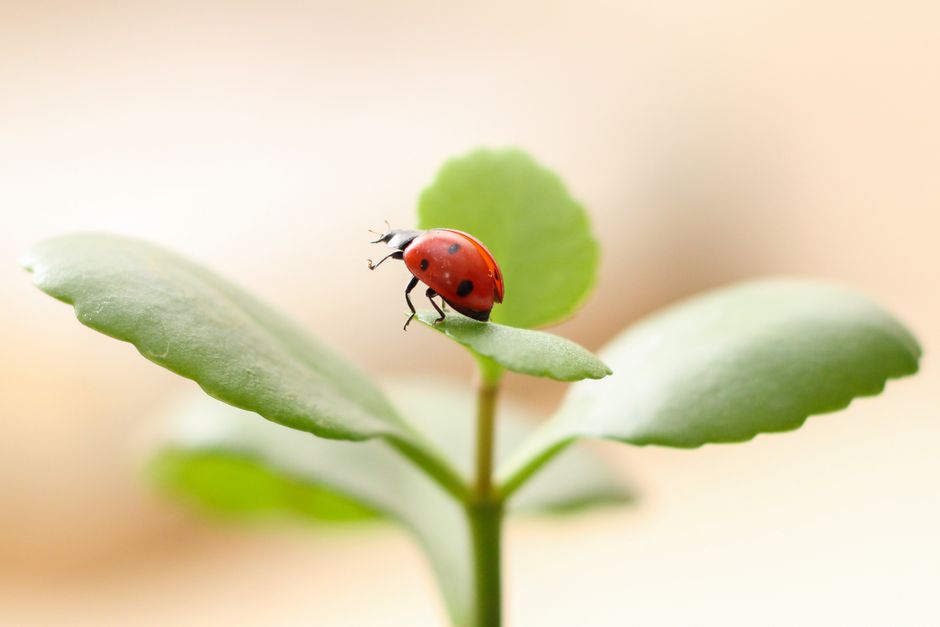
Photo by Fatulla Karimzada on Pexels
To be considered "alive," an organism must display several key characteristics. Remembering these helps you distinguish living things from non-living things.
- Movement: All living things show movement, even plants (though slower). It could be internal (like blood flow) or external (like walking).
- Respiration: This is the process where organisms release energy from food. It can be aerobic (using oxygen) or anaerobic (without oxygen).
- Sensitivity: Living things can detect and respond to changes in their environment. Think about how you react to a loud noise or bright light.
- Growth: All organisms increase in size and complexity over time.
- Reproduction: Living things produce offspring, ensuring the continuation of their species.
- Excretion: Organisms remove waste products from their bodies.
- Nutrition: Living things take in and use food for energy, growth, and repair.
You can remember these characteristics with the acronym MRS GREN.
The Scientific Method

Photo by Markus Winkler on Pexels
Biologists use a structured approach called the scientific method to investigate and understand the natural world. It's a cyclical process.
graph TD
    A["Observation & Problem (You notice something)"] --> B["Formulate Hypothesis (An educated guess)"]
    B --> C["Design & Conduct Experiment (Test your hypothesis)"]
    C --> D["Collect & Analyse Data (What did you find?)"]
    D --> E["Draw Conclusion (Does your data support your hypothesis?)"]
    E --> F{"Conclusion Supports Hypothesis?"}
    F -- Yes --> G["Report Findings (Share your knowledge!)"]
    F -- No --> B
    G --> A
Steps of the Scientific Method:
- Observation and Problem: You notice something interesting and ask a question about it.
- Formulate a Hypothesis: You propose a testable explanation or educated guess for your observation. It's often an "if... then..." statement.
- Design and Conduct an Experiment: You plan and carry out a fair test to check your hypothesis. This usually involves variables:
- Independent Variable: The factor you intentionally change.
- Dependent Variable: The factor you measure or observe that might change due to the independent variable.
- Controlled Variables: All other factors that must be kept the same to ensure a fair test.
- Collect and Analyze Data: You record your results carefully and look for patterns or trends.
- Draw a Conclusion: You decide whether your data supports or refutes your hypothesis.
- Report Findings: You share your results with others, which can lead to new observations and further research.
3. Worked Example
Let's say you notice that a plant you forgot to water looks wilted, but another one you watered regularly looks healthy.
1. Observation & Problem: "My unwatered plant is wilting. Does water affect plant health?"
2. Hypothesis: "If a plant receives sufficient water, then it will grow healthier than a plant that does not."
3. Experiment Design:
* Independent Variable: Amount of water given.
* Dependent Variable: Plant health (measured by height, leaf count, colour).
* Controlled Variables: Same type of plant, same size pots, same type of soil, same amount of sunlight, same temperature.
* Procedure: Get two identical plants. Water Plant A daily with 100ml. Give Plant B no water. Observe both for a week.
4. Collect & Analyse Data: After a week, Plant A is 2cm taller, has 3 new leaves, and its leaves are dark green. Plant B hasn't grown, has lost 2 leaves, and its leaves are yellow and drooping.
5. Draw Conclusion: The data supports the hypothesis. Sufficient water does lead to healthier plant growth.
4. Key Takeaways
- Biology is the scientific study of all forms of life and living processes.
- All living organisms share seven fundamental characteristics: Movement, Respiration, Sensitivity, Growth, Reproduction, Excretion, and Nutrition (MRS GREN).
- The scientific method is a systematic process biologists use to investigate observations and test hypotheses.
- Experiments involve manipulating an independent variable and measuring a dependent variable, while keeping other factors controlled.
- A hypothesis is an educated guess that can be tested through experimentation.
Common Mistakes to Avoid:
- Don't confuse "movement" with "locomotion"; all living things move, but not all move from place to place.
- Don't forget any of the MRS GREN characteristics when defining life.
- Always include controlled variables in your experimental design; without them, your results might not be reliable.
- Don't just state a hypothesis; make sure it's testable and includes both the cause and effect ("if... then...").
5. Now Try It
Choose any common organism you see every day (like a housefly, a tree, or even yourself!). List at least five ways it demonstrates each of the seven characteristics of living organisms (MRS GREN). For example, for "Movement," think of both internal and external movements. Success looks like you confidently linking specific actions or features of your chosen organism to each of the seven characteristics.
Frequently asked about "name": "The Study of Living Organisms",
More from Biology O'level
Get the full Biology O'level curriculum
Clone the complete plan to your dashboard for unlimited AI-generated notes, practice quizzes, and a personalised revision schedule.
Create Free Account