Water Pollution and Its Impacts
From the easy geog curriculum
TL;DR
Water pollution happens when harmful stuff contaminates water bodies, making them unsafe for living things and human use. This pollution comes from many sources and has really bad effects on ecosystems and our health. Understanding where it comes from and what it does helps us figure out how to stop it.
1. The Mental Model
Think of a healthy pond or river like a clean room; everything is in its place and it's safe to use. Water pollution is like someone dumping trash or chemicals into that room, making it messy, harmful, and unusable for its original purpose.
2. The Core Material
Water pollution is essentially the contamination of water bodies (like lakes, rivers, oceans, and groundwater) by substances that make the water unfit for its intended use or for supporting life. These substances can be chemicals, waste, microorganisms, or even energy (like heat).
Types of Pollutants

Photo by Marek Piwnicki on Pexels
Pollutants can be broadly categorized:
* Pathogens: Disease-causing microorganisms (bacteria, viruses, parasites) from sewage.
* Nutrients: Excess nitrogen and phosphorus, usually from fertilizers and sewage, leading to algal blooms.
* Toxic Chemicals: Heavy metals (lead, mercury), pesticides, industrial solvents, and pharmaceuticals.
* Sediment: Soil particles from erosion, clouding water and burying habitats.
* Oil: Spills from tankers, drilling, or runoff.
* Plastic: Microplastics and larger plastic debris that persist in the environment.
* Thermal Pollution: Hot water discharged from power plants, reducing oxygen levels.
Sources of Water Pollution

Photo by Collab Media on Pexels
Understanding where pollution comes from is key to tackling it. Sources are usually split into two main types:
- Point Source Pollution: This is pollution that comes from a single, identifiable source, like a pipe discharging from a factory, a sewage treatment plant, or an oil spill from a tanker. It's often easier to regulate and monitor.
- Non-Point Source Pollution (NPS): This is pollution that comes from many diffuse sources over a large area, making it much harder to pinpoint and control. Examples include runoff from agricultural fields (carrying fertilizers and pesticides), urban runoff (carrying oil, trash, and chemicals from streets), and atmospheric deposition.
Impacts of Water Pollution
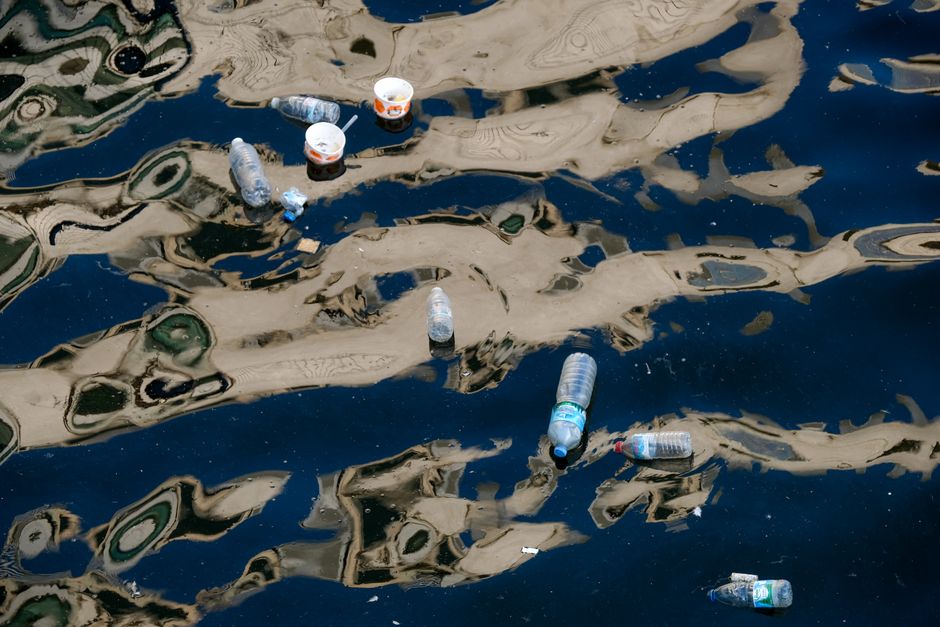
Photo by Çağrı KANMAZ on Pexels
The consequences of water pollution are far-reaching:
- Ecosystem Damage: It harms aquatic plants and animals, reduces biodiversity, and can destroy entire habitats. For instance, algal blooms from excess nutrients deplete oxygen, creating "dead zones."
- Human Health Issues: Contaminated water can cause various diseases (cholera, typhoid, dysentery) when consumed or used for recreation. Toxic chemicals can accumulate in the food chain, leading to long-term health problems.
- Economic Costs: Affects fisheries, tourism, and agriculture. Cleaning up polluted water is very expensive.
- Drinking Water Scarcity: Makes existing freshwater sources unusable, exacerbating water shortages.
Here's a simple chain showing how different types of pollution lead to specific impacts:
graph TD
    A["Agricultural Runoff (Fertilizers, Pesticides)"] --> B["Excess Nutrients in Water"]
    B --> C["Algal Blooms"]
    C --> D["Oxygen Depletion (Dead Zones)"]
    D --> E["Loss of Aquatic Life (Fish Kills)"]

    F["Industrial Discharge (Heavy Metals, Chemicals)"] --> G["Toxic Contamination of Water"]
    G --> H["Bioaccumulation in Food Chain"]
    H --> I["Human Health Problems (Long-term illness)"]

    J["Untreated Sewage (Pathogens)"] --> K["Waterborne Diseases"]
    K --> L["Human Illness/Death"]
3. Worked Example
Let's consider a specific scenario: a large farm near a river.
The farmer uses fertilizers on their fields to help crops grow. When it rains heavily, some of this fertilizer (rich in nitrogen and phosphorus) washes off the fields and into the nearby river. This is non-point source pollution.
In the river, these extra nutrients act like food for algae, causing them to grow rapidly. This is an algal bloom. As the algae eventually die, bacteria decompose them, using up large amounts of dissolved oxygen in the water. This creates an anoxic (low oxygen) or hypoxic (no oxygen) zone. Fish and other aquatic organisms need oxygen to survive, so they either die or leave the area. This leads to loss of aquatic biodiversity and impacts the river's ecosystem. If people use this river for drinking water or recreation, the algal bloom can also produce toxins, posing a human health risk.
4. Key Takeaways
- Water pollution is the contamination of water bodies by harmful substances.
- Pollutants include pathogens, nutrients, toxic chemicals, sediment, oil, plastic, and heat.
- Point sources are identifiable origins like factory pipes; non-point sources are diffuse, like agricultural runoff.
- Impacts range from harming aquatic ecosystems and reducing biodiversity to causing human health issues.
- Algal blooms, caused by excess nutrients, are a common and serious consequence of water pollution.
- Addressing water pollution often requires managing both industrial discharges and widespread runoff.
Common Mistakes to Avoid:
* Confusing point source and non-point source pollution; remember "pipe" for point, "field" for non-point.
* Underestimating the impact of seemingly harmless things like excess nutrients; they can be very damaging.
* Thinking that pollution only affects visible things; many pollutants are invisible but toxic.
* Believing that one small act of pollution doesn't matter; cumulative effects are significant.
5. Now Try It
Imagine you are an environmental consultant hired by a small town. The town's main river is showing signs of pollution (fish kills, cloudy water). Spend 15 minutes listing three potential sources of this pollution (at least one point source and one non-point source). For each source, briefly explain how it contributes to the pollution and suggest one practical action the town could take to reduce pollution from that source.
Success means you have identified diverse sources and proposed realistic, distinct solutions for each.
Frequently asked about Water Pollution and Its Impacts
More from easy geog
Get the full easy geog curriculum
Clone the complete plan to your dashboard for unlimited AI-generated notes, practice quizzes, and a personalised revision schedule.
Create Free Account