Strategies for Sustainable Water Management
From the easy geog curriculum
TL;DR
Sustainable water management means using water wisely so there's enough for everyone, now and in the future. It involves a mix of smart planning, new technologies, and changing how people use water. The goal is to balance human needs with protecting our natural water sources.
1. The Mental Model
Think of it like managing your personal finances, but for water. You need to know how much you have, how much you're spending, and find ways to save and invest for the future, ensuring you don't run out.
2. The Core Material
Sustainable water management focuses on balancing supply and demand while protecting water quality and ecosystems. It's not just about getting more water; it's about using existing water more efficiently and responsibly.
Water Conservation

Photo by Nur Salman on Pexels
This is about reducing the amount of water we use. It's often the quickest and most cost-effective way to address water scarcity.
* Residential: Shorter showers, low-flow fixtures, efficient appliances, fixing leaks.
* Agricultural: Drip irrigation, choosing drought-resistant crops, precise watering schedules.
* Industrial: Reusing water in processes, optimizing cooling systems.
Water Resource Protection
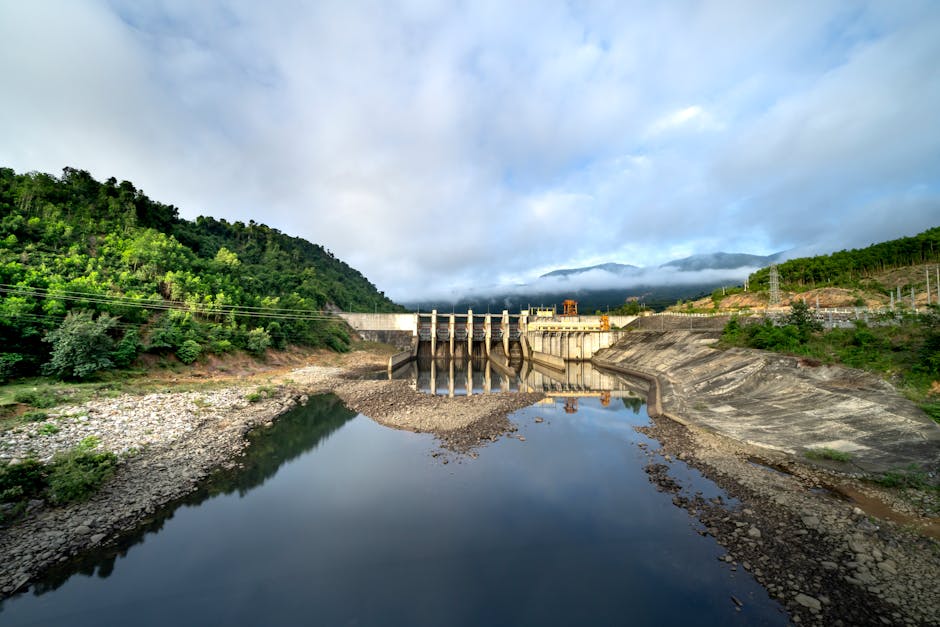
Photo by Quang Nguyen Vinh on Pexels
Keeping our water sources clean and healthy is crucial. Pollution can make water unusable, even if there's plenty of it.
* Protecting watersheds: Maintaining forests and natural areas around rivers and lakes helps filter water naturally and prevent erosion.
* Controlling pollution: Strict regulations on industrial discharge, proper waste disposal, and reducing agricultural runoff (pesticides, fertilizers).
* Restoring ecosystems: Rehabilitating wetlands and riparian zones which act as natural water filters and flood buffers.
Alternative Water Sources

Photo by cottonbro studio on Pexels
When traditional sources aren't enough, or are under stress, we can look to other options.
* Rainwater harvesting: Collecting and storing rainwater for non-drinking uses like irrigation or toilet flushing.
* Greywater recycling: Treating water from sinks, showers, and laundry for reuse in gardens or toilets.
* Desalination: Removing salt from seawater or brackish water to make it fresh. This can be energy-intensive but is vital in some arid regions.
* Wastewater treatment and reuse: Treating municipal wastewater to a high standard so it can be used for irrigation, industrial processes, or even supplementing drinking water supplies (after extensive treatment).
Integrated Water Resource Management (IWRM)

Photo by Quang Nguyen Vinh on Pexels
This is a holistic approach that considers all aspects of water management together. It involves coordinating across different sectors (agriculture, industry, urban planning) and stakeholders (governments, communities, businesses) to make informed decisions about water use and protection.
graph TD
    A["Sustainable Water Management"] --> B["Demand Side (Conservation)"]
    A --> C["Supply Side (Protection & Augmentation)"]

    B --> B1["Residential Efficiency"]
    B --> B2["Agricultural Optimization"]
    B --> B3["Industrial Reuse"]

    C --> C1["Watershed Protection"]
    C --> C2["Pollution Control"]
    C --> C3["Alternative Sources"]

    C3 --> C3a["Rainwater Harvesting"]
    C3 --> C3b["Greywater Recycling"]
    C3 --> C3c["Desalination"]
    C3 --> C3d["Wastewater Reuse"]

    A --> D["Integrated Planning (IWRM)"]
    D --> D1["Cross-sector Collaboration"]
    D --> D2["Stakeholder Engagement"]
    D --> D3["Adaptive Management"]
3. Worked Example
Imagine a city facing increasing water scarcity. They decide to implement a multi-pronged sustainable water management strategy:
- Conservation Campaign: They launch a public awareness campaign promoting shorter showers and efficient landscaping. They also offer rebates for homeowners who install low-flow toilets and showerheads. This reduces residential demand by 15%.
- Agricultural Improvements: The local government partners with farmers to implement drip irrigation systems and switch some crops to more drought-resistant varieties, cutting agricultural water use by 20%.
- Wastewater Reuse Plant: The city invests in a state-of-the-art wastewater treatment plant that purifies used water to a quality suitable for irrigating parks and golf courses, reducing the demand on freshwater sources by 10%.
- Watershed Protection: They designate and protect a large forested area upstream of their main reservoir, preventing erosion and naturally filtering the water, which improves raw water quality and reduces treatment costs.
By combining these strategies, the city effectively manages its dwindling water supply and builds resilience against future droughts, showing how different approaches work together.
4. Key Takeaways
- Sustainable water management isn't just about finding more water; it's about smarter use of what we have.
- Water conservation is often the most immediate and cost-effective strategy to ease water stress.
- Protecting natural water sources from pollution and degradation is just as important as finding new supplies.
- Diversifying water sources through methods like rainwater harvesting and wastewater reuse improves resilience.
- Integrated Water Resource Management (IWRM) ensures all aspects and stakeholders are considered for effective planning.
- Technology plays a crucial role, from efficient irrigation to advanced desalination and purification.
- Individual actions, like reducing daily water use, collectively make a significant difference.
Common mistakes to avoid:
- Focusing only on increasing supply without addressing demand or waste.
- Ignoring water quality issues, making existing water sources unusable.
- Planning in isolation without considering the interconnectedness of water systems and users.
- Underestimating the importance of public education and community involvement.
5. Now Try It
Think about your own community or a region you've studied. Spend 15 minutes brainstorming two current water challenges it faces (e.g., drought, pollution, aging infrastructure). Then, for each challenge, propose at least two specific sustainable water management strategies that could help, drawing from the core material above. Describe briefly how each strategy would address the challenge.
Frequently asked about Strategies for Sustainable Water Management
More from easy geog
Get the full easy geog curriculum
Clone the complete plan to your dashboard for unlimited AI-generated notes, practice quizzes, and a personalised revision schedule.
Create Free Account