Human Water Usage
From the easy geog curriculum
TL;DR
Humans use water for almost every aspect of daily life, from drinking and growing food to industrial processes and energy production. Understanding these different uses helps us see why managing water resources sustainably is crucial. Your water footprint includes both the direct water you use and the "hidden" water in the products you consume.
1. The Mental Model
Think of all the water on Earth. Only a tiny fraction is freshwater, and even less is easily accessible. We constantly "borrow" from this limited supply for our needs, and what we do with it affects everyone else who needs it too.
2. The Core Material
Human water usage can be broadly categorized into several main types:
a. Agricultural Water Use

Photo by Robert So on Pexels
This is by far the largest user of freshwater globally. It includes irrigation for crops, watering livestock, and aquaculture (fish farming). The type of crop, irrigation method, and climate all affect how much water is needed. For example, growing thirsty crops in dry regions requires significant irrigation.
b. Industrial Water Use
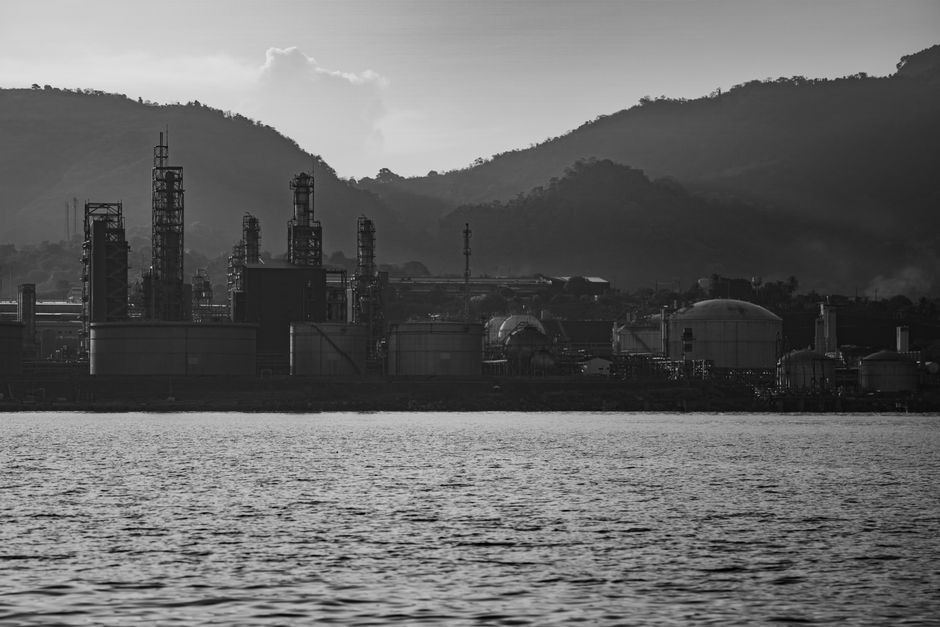
Photo by Nothing Ahead on Pexels
Industries use water for cooling, processing, cleaning, and as a component in their products. Examples include power generation (cooling nuclear or coal plants), manufacturing goods (textiles, paper), and mining. Often, this water is returned to the environment, but its quality might be altered.
c. Domestic Water Use

Photo by https://kaboompics.com/ on Pexels
This is the water we use in our homes: drinking, cooking, bathing, flushing toilets, and watering gardens. While it seems like a lot to us, it represents a smaller portion of total global water use compared to agriculture or industry.
d. Environmental/Recreational Water Use

Photo by Cristian Loayza on Pexels
Water is also kept "in-stream" for ecological health (maintaining river flows for wildlife, diluting pollution) or used for recreation like boating, fishing, and swimming. This type of use doesn't "consume" water in the same way as agriculture but requires water to be available and clean.
It's helpful to visualize how these different uses stack up.
graph LR
    A["Total Freshwater Available"] --> B["Agricultural Use (approx. 70%)"]
    A --> C["Industrial Use (approx. 19%)"]
    A --> D["Domestic Use (approx. 11%)"]
    B --> B1["Irrigation"]
    B --> B2["Livestock"]
    C --> C1["Cooling"]
    C --> C2["Processing"]
    D --> D1["Household (drinking, bathing)"]
    D --> D2["Municipal (parks, public services)"]
e. The Water Footprint
Beyond direct use, your water footprint refers to the total volume of freshwater used to produce the goods and services you consume. This includes "virtual water" embedded in products. For instance, growing cotton for a t-shirt, raising cattle for a steak, or manufacturing a smartphone all require a significant amount of water.
3. Worked Example
Let's consider the water footprint of a single beef burger. It's not just the water the cow drank. It includes:
* Water to grow the grass or feed (corn, soy) the cow ate throughout its life.
* Water for the cow to drink.
* Water used in processing the meat.
* Water used to grow the wheat for the bun, the tomatoes and lettuce, etc.
Estimates vary, but producing just one kilogram of beef can require around 15,000 liters of water. This dramatically highlights the hidden water usage in our food choices.
4. Key Takeaways
- Agriculture consumes the vast majority of global freshwater, primarily for irrigation.
- Industrial processes, like power generation and manufacturing, are also significant water users.
- Domestic use, while important to us, makes up a smaller portion of overall human water usage.
- Your water footprint includes both your direct water use and the "virtual water" in the products you buy.
- Sustainable water management is essential because freshwater is a limited resource.
- Different regions have different water availability and usage patterns.
- Conserving water at home is good, but understanding agricultural and industrial water use is also vital for broader water sustainability.
Common Mistakes to Avoid:
- Don't underestimate the amount of water used in agriculture and industry compared to domestic use.
- Don't forget about the "hidden" or virtual water embedded in goods and food.
- Don't assume all water used is "consumed" – some is returned, though its quality may change.
- Don't think water scarcity is only a problem in dry climates; mismanagement can cause issues anywhere.
5. Now Try It
For 15 minutes, research the average water footprint of three common items you use daily (e.g., a smartphone, a cup of coffee, a pair of jeans). Compare these footprints and reflect on how your consumption habits might impact global water resources. Success means you can identify at least one significant "hidden" water use for each item.
Frequently asked about Human Water Usage
More from easy geog
Get the full easy geog curriculum
Clone the complete plan to your dashboard for unlimited AI-generated notes, practice quizzes, and a personalised revision schedule.
Create Free Account