Mock Examination and Final Preparation
From the Biology ca curriculum
TL;DR
You're about to take a mock biology exam, which is a fantastic opportunity to practice your knowledge and identify areas for improvement before the real thing. Focus on understanding key concepts, practicing exam techniques, and using your results to guide your final study plan. This prep will build your confidence and refine your strategy.
1. The Mental Model
Think of the mock exam as a dress rehearsal for a play. It's not the actual performance, but it lets you test everything from your knowledge of the script (content) to your stage presence (exam technique) in a low-stakes environment.
2. The Core Material
Preparing for and reviewing a mock exam is a cyclical process that helps you refine your understanding and approach. It involves active recall, strategic practice, and reflective analysis.
Understanding the Exam Structure

Photo by https://kaboompics.com/ on Pexels
Before you even sit the mock, make sure you know what to expect. This includes:
- Format: Is it multiple-choice, short answer, essays, or a mix?
- Duration: How much time do you have for each section?
- Content weighting: Which topics are more heavily tested?
- Question types: Are there diagram-based questions, data analysis, or experimental design tasks?
Knowing these details helps you manage your time effectively during the exam and practice specific question types.
Effective Study Strategies
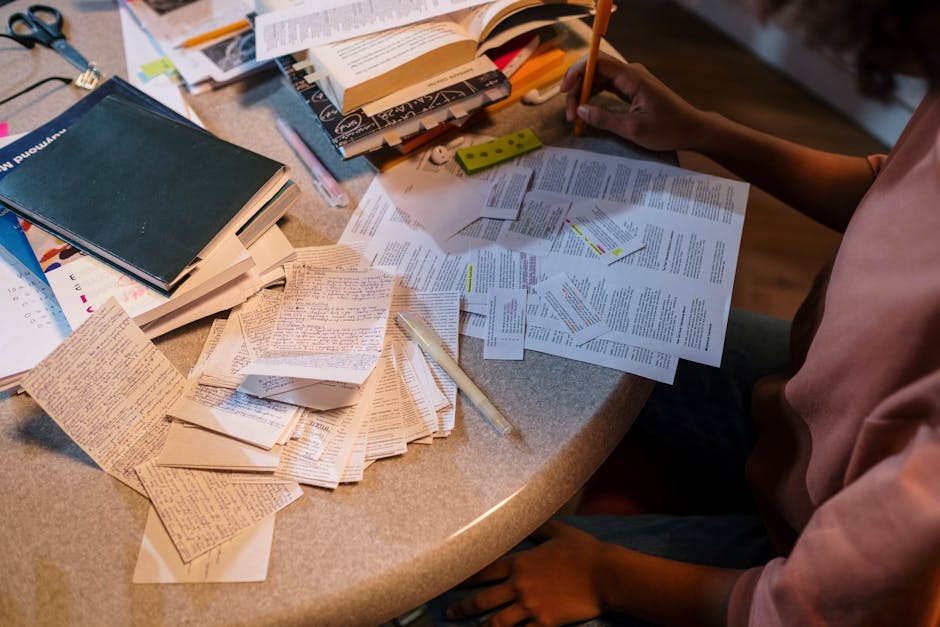
Photo by cottonbro studio on Pexels
Don't just re-read your notes. Actively engage with the material.
- Active Recall: Instead of just looking at answers, try to retrieve information from memory. Use flashcards, self-quizzing, or explain concepts aloud to yourself.
- Practice Questions: Work through past paper questions or textbook problems. This helps you apply your knowledge and understand how questions are phrased.
- Concept Mapping: Create visual diagrams to link related ideas. This strengthens your understanding of complex biological processes and relationships.
- Summarize: Condense large amounts of information into concise summaries in your own words.
During the Mock Exam
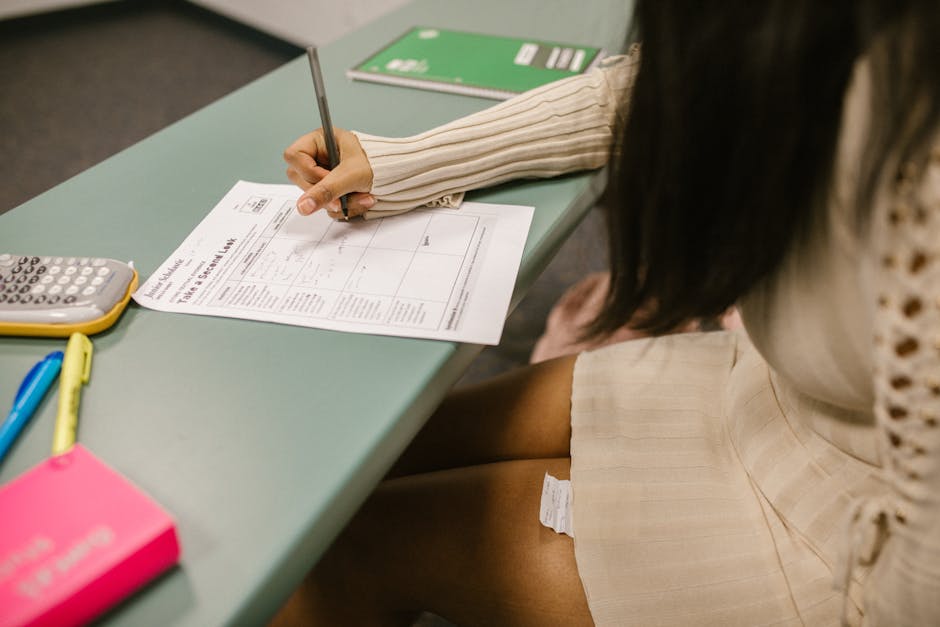
Photo by RDNE Stock project on Pexels
Approach the mock exam strategically.
- Read Carefully: Understand exactly what each question is asking before you start writing. Pay attention to keywords like "describe," "explain," "compare," or "evaluate."
- Time Management: Allocate your time based on the marks for each question. Don't spend too long on one question if it means you can't attempt others.
- Attempt All Questions: Even if you're unsure, try to write down what you do know. Partial credit is often awarded.
- Show Your Work: For calculations or experimental design questions, make your thought process clear.
graph TD
    A["Review Syllabus & Past Papers"] --> B["Identify Key Topics & Question Types"]
    B --> C["Active Study: Notes, Flashcards, Practice Qs"]
    C --> D["Take Mock Exam (Time Yourself)"]
    D --> E["Review Mock Results (Identify Strengths/Weaknesses)"]
    E --> F["Focus Study on Weak Areas"]
    F --> G["Practice Specific Question Types"]
    G --> H["Repeat (if time allows)"]
    H --> I["Final Exam Confidence"]
Post-Mock Analysis: The Most Crucial Step

Photo by Nataliya Vaitkevich on Pexels
The real value of a mock exam comes from what you do after you've taken it.
- Mark Your Paper: Use the mark scheme provided (if available) to thoroughly mark your own work. Be honest with yourself.
- Identify Weaknesses: Pinpoint specific topics or types of questions where you consistently lost marks. Was it a lack of knowledge, poor understanding, or bad exam technique?
- Analyze Mistakes: Understand why you made mistakes. Did you misinterpret the question? Forget a key term? Make a silly error?
- Update Your Study Plan: Adjust your remaining study time to focus heavily on those identified weak areas. Revisit notes, do more practice questions, or seek clarification from your teacher.
- Review Good Answers: Look at how correct answers are structured and phrased. What keywords or phrases were expected?
3. Worked Example
Let's say you've just taken a mock exam and received your results. One question you consistently struggled with was:
Question: "Explain the process of photosynthesis, detailing the light-dependent and light-independent reactions." (6 marks)
You scored 2/6. Your common mistakes were:
1. You only mentioned sunlight and chlorophyll but didn't detail the products of the light-dependent reactions (ATP, NADPH).
2. You vaguely referred to "sugar creation" but didn't specifically name the Calvin cycle or mention the role of CO2.
Post-Mock Analysis:
* Weakness Identified: Lack of detailed understanding of the two main stages of photosynthesis and their specific inputs/outputs.
* Action Plan:
* Review: Go back to your notes/textbook on photosynthesis.
* Focus: Create a flow diagram or table comparing the light-dependent and light-independent reactions, specifically listing:
* Light-dependent: Location, inputs (light, water), outputs (ATP, NADPH, O2).
* Light-independent (Calvin Cycle): Location, inputs (CO2, ATP, NADPH), outputs (glucose/sugars).
* Practice: Find other questions asking about photosynthesis or related topics (e.g., factors affecting photosynthesis, chemiosmosis) to reinforce your knowledge.
* Self-Test: Try to explain the entire process aloud without looking at your notes.
4. Key Takeaways
- Use your mock exam as a diagnostic tool, not just a score.
- Actively review your mistakes to understand why you got them wrong.
- Adjust your study plan based on your mock results, focusing on weaker areas.
- Practice time management during the mock to simulate real exam conditions.
- Familiarize yourself with question types and mark schemes to know what examiners are looking for.
- Don't get discouraged by a low mock score; it's a chance to improve.
Common Mistakes to Avoid:
- Ignoring the mock results: Just looking at the score and moving on without analysis is a missed opportunity.
- Cramming last minute: Effective preparation is spaced out and active.
- Not practicing exam technique: Knowing the content is one thing; applying it under timed conditions is another.
- Panicking during the exam: Stay calm, read questions carefully, and manage your time.
5. Now Try It
Take a past paper or a sample biology exam provided by your teacher (ensure it's timed!). After completing it, spend 15 minutes marking your own paper using the provided mark scheme, if available, or by checking against your notes. Identify three specific questions where you lost the most marks and write down why you think you lost those marks (e.g., "didn't define X," "misinterpreted the graph," "ran out of time for this section").
Success looks like: You have a clear list of at least three specific areas of content or exam technique that you need to work on, with a brief explanation for each.
Frequently asked about Mock Examination and Final Preparation
Study this next
Get the full Biology ca curriculum
Clone the complete plan to your dashboard for unlimited AI-generated notes, practice quizzes, and a personalised revision schedule.
Create Free Account