Functions of Plant and Animal Cell Organelles
From the Biology ca curriculum
TL;DR
Cells are the basic units of life, and within them, tiny structures called organelles perform specific jobs to keep the cell functioning. Both plant and animal cells share many organelles for essential tasks like energy production and protein synthesis. However, plant cells have unique organelles like chloroplasts and a cell wall that allow them to perform photosynthesis and maintain rigidity.
1. The Mental Model
Think of a cell like a miniature city. Each organelle is like a specialized building or department, each with its own crucial role to ensure the city (cell) operates smoothly and survives.
2. The Core Material
You know that both plant and animal cells are eukaryotic, meaning they have a true nucleus and other membrane-bound organelles. While they share many similarities, there are key differences that reflect their distinct lifestyles.
Shared Organelles (Found in Both Plant and Animal Cells)

Photo by Fayette Reynolds M.S. on Pexels
- Nucleus: This is the cell's control center, containing the cell's genetic material (DNA) in the form of chromosomes. It regulates all cell activities.
- Mitochondria: Often called the "powerhouses" of the cell, mitochondria are responsible for cellular respiration, converting glucose into ATP (adenosine triphosphate), which is the cell's main energy currency.
- Endoplasmic Reticulum (ER): A network of membranes involved in protein and lipid synthesis.
- Rough ER: Studded with ribosomes, it synthesizes and modifies proteins destined for secretion or insertion into membranes.
- Smooth ER: Lacks ribosomes, involved in lipid synthesis, detoxification of drugs and poisons, and storage of calcium ions.
- Ribosomes: Tiny structures responsible for protein synthesis (making proteins) based on instructions from the nucleus. They can be free in the cytoplasm or attached to the rough ER.
- Golgi Apparatus (or Golgi Complex/Body): Modifies, sorts, and packages proteins and lipids made in the ER, preparing them for transport out of the cell or to other organelles.
- Lysosomes (more common in animal cells, rare in plant cells): Contain digestive enzymes to break down waste materials and cellular debris. Think of them as the cell's recycling and waste disposal units.
- Peroxisomes: Small organelles that contain enzymes involved in metabolic processes, breaking down fatty acids and detoxifying harmful substances, often producing hydrogen peroxide as a byproduct (which they then convert to water and oxygen).
- Cytoskeleton: A network of protein filaments that provides structural support, helps in cell movement, and transports materials within the cell. It includes microtubules, microfilaments, and intermediate filaments.
- Cell Membrane (Plasma Membrane): A selective barrier that surrounds the cell, regulating the passage of substances into and out of the cell.
Plant Cell Specific Organelles
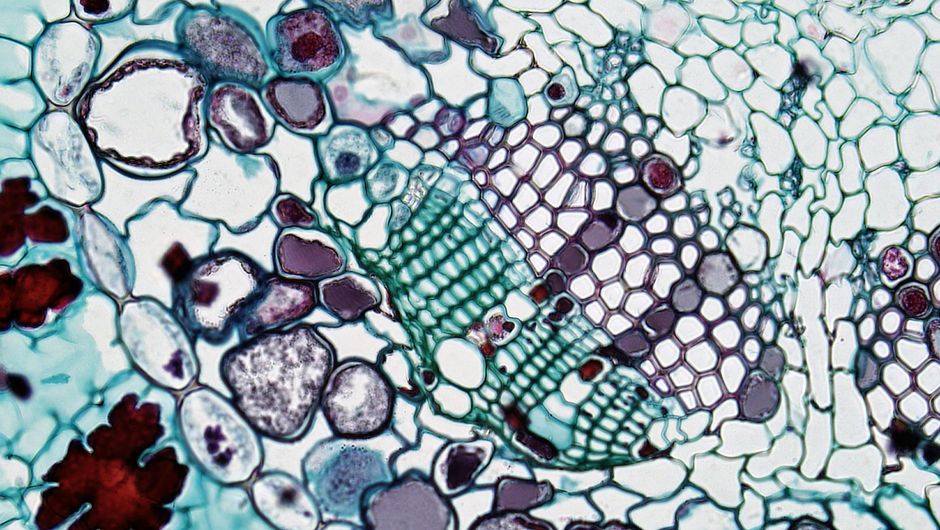
Photo by Fayette Reynolds M.S. on Pexels
- Cell Wall: A rigid outer layer composed primarily of cellulose that provides structural support and protection to the plant cell.
- Chloroplasts: These are the sites of photosynthesis. They contain chlorophyll, a green pigment that captures light energy to convert carbon dioxide and water into glucose (sugar) and oxygen.
- Large Central Vacuole: A large membrane-bound sac that stores water, nutrients, waste products, and pigments. It also helps maintain turgor pressure against the cell wall, which keeps the plant cell rigid.
Animal Cell Specific Organelles
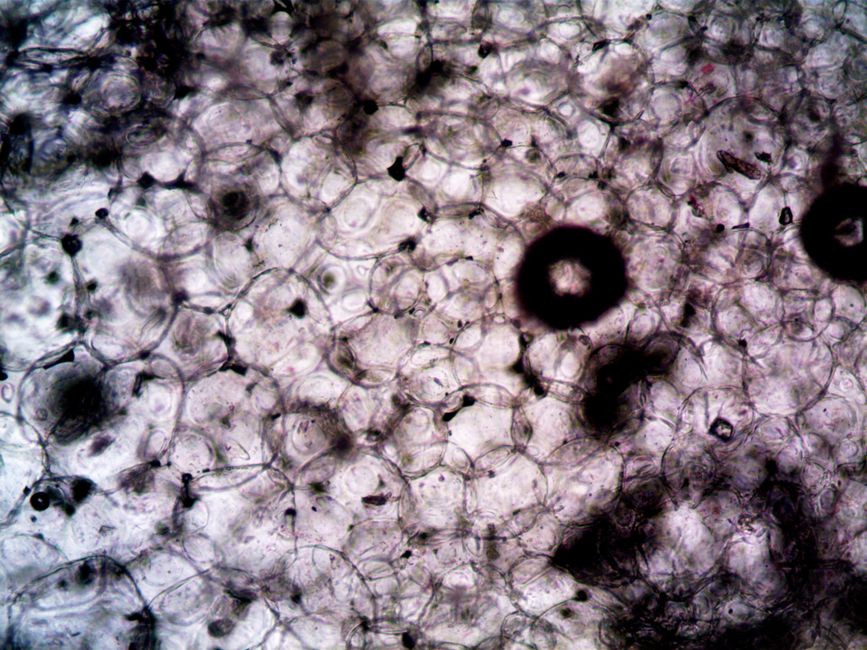
Photo by turek on Pexels
- Centrioles: Involved in cell division in animal cells, helping to organize microtubule assembly during cell division.
Here's a comparison of key organelles and their primary functions:
graph LR
    A["Cell"] --> B["Nucleus (control center, DNA)"]
    A --> C["Mitochondria (energy production)"]
    A --> D["Endoplasmic Reticulum (protein/lipid synthesis)"]
    D --> D1["Rough ER (with ribosomes)"]
    D --> D2["Smooth ER (no ribosomes)"]
    A --> E["Ribosomes (protein synthesis)"]
    A --> F["Golgi Apparatus (package & modify)"]
    A --> G["Cell Membrane (boundary)"]

    H["Plant Cell Specific"] --> H1["Cell Wall (support, protection)"]
    H --> H2["Chloroplasts (photosynthesis)"]
    H --> H3["Large Central Vacuole (storage, turgor)"]

    I["Animal Cell Specific"] --> I1["Centrioles (cell division)"]
    I --> J["Lysosomes (waste breakdown - more prominent)"]

    style H fill:#e8f5e9,stroke:#4caf50,stroke-width:2px
    style I fill:#fff3e0,stroke:#ff9800,stroke-width:2px
3. Worked Example
Imagine a plant leaf cell (e.g., from a spinach leaf). When sunlight hits the leaf, the chloroplasts within the leaf cells absorb that light energy. Inside the chloroplasts, a series of chemical reactions called photosynthesis occur, converting carbon dioxide and water into glucose (sugar) and oxygen. This glucose is then transported around the plant or stored. If the plant needs energy for growth or other processes, the glucose can be transported to the mitochondria in any of its cells, where it's broken down through cellular respiration to produce ATP, the cell's usable energy form. Excess water or waste products are stored in the large central vacuole, which also helps maintain the cell's shape and rigidity by pushing against the cell wall.
4. Key Takeaways
- The nucleus houses DNA and controls all cell activities.
- Mitochondria generate ATP, the cell's energy currency.
- Ribosomes and the ER work together to synthesize and modify proteins.
- The Golgi apparatus processes and packages cell products.
- Plant cells have a cell wall for support, chloroplasts for photosynthesis, and a large central vacuole for storage and turgor.
- Animal cells are typically more diverse in shape and contain centrioles for cell division.
- The cell membrane regulates what enters and leaves all cells.
Common Mistakes to Avoid

Photo by KATRIN BOLOVTSOVA on Pexels
- Confusing the functions of mitochondria (energy production) and chloroplasts (food production).
- Forgetting that plant cells also have mitochondria for respiration, not just chloroplasts.
- Thinking all organelles are exactly the same in plant and animal cells.
- Not understanding that the cell wall is outside the cell membrane in plant cells.
5. Now Try It
For 15 minutes, draw a simple diagram of a plant cell and an animal cell side-by-side. Label all the organelles you've learned about, and for each label, write a one-sentence description of its primary function.
Success looks like: You have two clearly labelled cell diagrams, correctly identifying unique organelles for each cell type, and accurately describing their main functions.
Frequently asked about Functions of Plant and Animal Cell Organelles
Study this next
Get the full Biology ca curriculum
Clone the complete plan to your dashboard for unlimited AI-generated notes, practice quizzes, and a personalised revision schedule.
Create Free Account