The Japanese Occupation of Singapore (1942-1945)
From the History curriculum
The Japanese Occupation of Singapore (1942-1945)
TL;DR
The Japanese occupied Singapore for three and a half years during World War II, fundamentally changing its society and political landscape. This period, marked by harsh military rule and severe hardship, shattered the myth of British invincibility. Its end paved the way for a stronger push towards Singaporean self-governance and independence.
1. The Mental Model
Think of the Japanese Occupation as a brutal, transformative interruption in Singapore's history. It revealed the vulnerability of colonial powers and ignited a fierce desire among locals for self-determination. The experience shaped the country's identity and future leadership.
2. The Core Material
The Japanese Occupation of Singapore, known as Syonan-to (Light of the South), lasted from February 1942 to September 1945. It began after the fall of Singapore to the Imperial Japanese Army, a swift and shocking defeat for the British. This period dramatically impacted all aspects of life for Singaporeans.
The Fall of Singapore (February 1942)
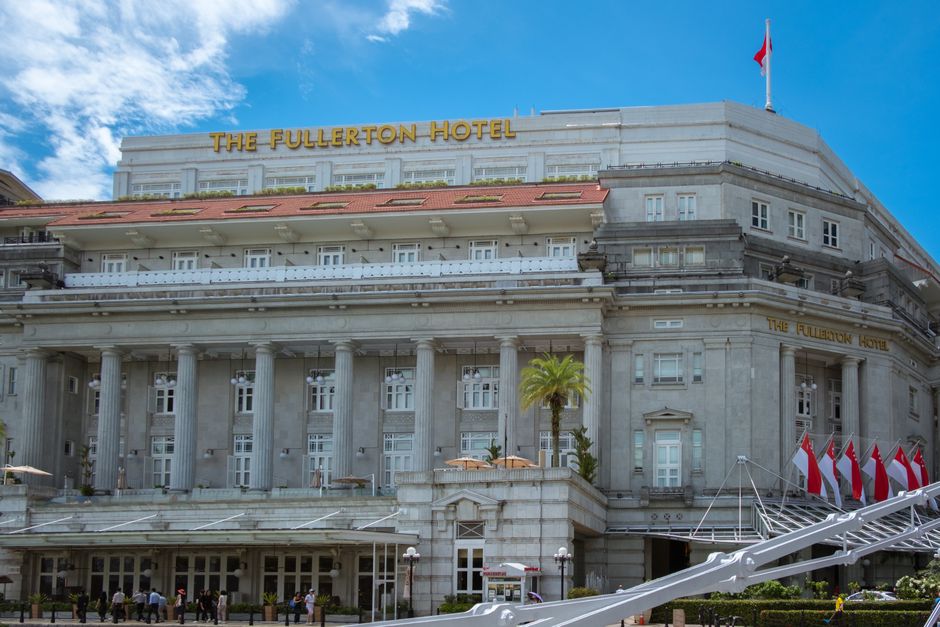
Photo by Arian Fernandez on Pexels
The British, despite their strategic naval base, were unprepared for Japan's rapid southward advance. The Japanese attacked from the north, through Malaya, an unexpected direction. After just a week of fighting on the island, Singapore surrendered on February 15, 1942. This defeat significantly undermined British prestige and convinced many locals that their colonial masters weren't invincible.
Japanese Military Administration

Photo by bima on Pexels
The Japanese established a military administration. Their goals were to:
1. Eliminate anti-Japanese elements, particularly the Chinese.
2. Exploit Singapore's resources for their war effort.
3. Promote Japanese culture and language (Nipponisation).
Life under Japanese rule was incredibly harsh. Curfews were strict, and severe punishments, including public beatings and executions, were common for minor offenses. Propaganda was widespread, and the Kempeitai (secret police) instilled fear.
Sook Ching Massacre

Photo by Eran Menashri on Pexels
One of the most brutal events was the Sook Ching Massacre (Operation Clean Up) in February and March 1942. This systematic screening and elimination of anti-Japanese elements targeted Chinese males, particularly those suspected of being communists, wealthy businessmen, or volunteers against Japan during the Second Sino-Japanese War. Tens of thousands were killed, though the exact number remains disputed. This act instilled deep fear and resentment.
Economic Hardship

Photo by MART PRODUCTION on Pexels
The economy collapsed. Trade routes were disrupted, leading to severe shortages of food, medicine, and other essential goods. Inflation soared, and the Japanese issued their own currency, dubbed "banana money" due to the banana tree motif, which quickly became worthless. People resorted to black markets, foraging, and farming to survive. Malnutrition and disease were rampant.
Social Impact and Resistance
While collaboration existed, many Singaporeans suffered immensely and resisted in various ways, from passive non-compliance to active guerrilla warfare. The Malayan Communist Party's Malayan People's Anti-Japanese Army (MPAJA), though small, fought in the jungles. The shared suffering fostered a sense of common identity among different ethnic groups in Singapore, laying groundwork for future nationalism.
End of the Occupation
The Japanese surrendered on August 15, 1945, after the atomic bombings of Hiroshima and Nagasaki. British forces returned in September 1945. The end of the war brought relief, but Singapore was left devastated, and the myth of British imperial power was shattered forever. The occupation fueled a strong desire for self-governance and independence, setting Singapore on a new political path.
Here's a breakdown of the cause-and-effect chain:
graph LR
    A["Japanese Expansionism & Resource Needs"] --> B["Invasion of Malaya & Singapore"];
    B --> C["Fall of Singapore (February 1942)"];
    C --> D["Japanese Military Occupation (Syonan-to)"];
    D --> E["Sook Ching Massacre"];
    D --> F["Severe Economic Hardship & Inflation"];
    D --> G["Suppression & Nipponisation Policy"];
    E --> H["Deep-seated Fear & Resentment"];
    F --> H;
    G --> H;
    H --> I["Emergence of Local Nationalism & Desire for Self-Rule"];
    I --> J["Post-War Push for Independence"];
    J --> K["Modern Singapore's Identity & Resilience"];
3. Worked Example
Imagine you're a Chinese merchant in Singapore in early 1942.
Before February 1942: You're running your business, perhaps importing goods from Britain or China. You hear news of the war in Europe and Japan's movements, but you're confident in British protection. You might even have contributed to funds supporting China against Japan.
February 1942 (Fall of Singapore): The British surrender. Within days, Japanese soldiers are on the streets. You witness the initial chaos and then the chilling order for all Chinese men to report for "registration" – this is the Sook Ching. You, along with thousands of others, are rounded up. You're interrogated, perhaps for ties to anti-Japanese groups or simply for being a successful Chinese man. You might be lucky enough to bribe a guard or have a clean record and be released, but you'd have seen or heard of mass executions. This experience leaves you deeply traumatised and fearful.
Mid-Occupation (1943-1944): Your business is ruined. Your savings in pre-war currency are worthless. You now use "banana money" which buys very little. Food is scarce and expensive. You see people starving. You learn a few Japanese phrases for basic interactions to avoid trouble. You watch propaganda films and hear broadcasts promoting Japanese superiority. Your children might be forced to learn Japanese in school. You live in constant fear of the Kempeitai. You secretly listen to forbidden BBC radio broadcasts, hoping for Allied victory, but never speak of it openly.
This direct experience of fear, economic ruin, and the brutal efficiency of the occupation would fundamentally change your perspective on British rule and foster a deep desire for a future where you, not a foreign power, control your own destiny.
4. Key Takeaways
- The swift fall of Singapore in 1942 shattered the myth of British imperial strength and invincibility.
- Japanese military rule was characterized by extreme brutality, economic hardship, and a campaign of "Nipponisation."
- The Sook Ching Massacre was a systematic targeting and killing of Chinese males, instilling widespread fear.
- Severe inflation, food shortages, and the valueless "banana money" led to immense suffering for the population.
- The occupation experience unified different ethnic groups in shared suffering, fostering a nascent sense of Singaporean identity.
- The post-occupation period saw a strong surge in anti-colonial sentiment and the demand for self-governance.
- The occupation is a foundational event in Singapore's national narrative, highlighting resilience and the importance of self-reliance.
Common Mistakes to Avoid:
- Don't assume the Japanese occupation was just another colonial power switch; it was far more brutal and transformative.
- Don't underestimate the psychological impact of the Sook Ching Massacre on the Chinese community.
- Don't forget that "banana money" was a symptom of hyperinflation, not just a new currency.
- Don't think British rule returned to pre-war normalcy after 1945; its legitimacy was deeply shaken.
5. Now Try It
Imagine you're a journalist tasked with writing a short news report (approx. 200 words) for a local underground newspaper in Singapore in late 1944. Your report should subtly criticize the Japanese administration while also offering a glimmer of hope, without directly inciting rebellion (as that would be suicidal). Focus on the daily struggles and what it implies for the future.
What success looks like: Your report would use indirect language and vivid descriptions of hardship (e.g., soaring prices, lack of food, empty markets, fear of the Kempeitai) to convey the harsh reality. It would hint at the desire for a return to peace and stability, and perhaps a future where Singaporeans have more control over their destiny, without explicitly mentioning "British return" or "independence."
Frequently asked about The Japanese Occupation of Singapore (1942-1945)
Study this next
Get the full History curriculum
Clone the complete plan to your dashboard for unlimited AI-generated notes, practice quizzes, and a personalised revision schedule.
Create Free Account