Reasons for Japanese Invasion and Initial Ideologies
From the Sec 2 history chapter 6 curriculum
TL;DR
Japan invaded Southeast Asia, including Malaya and Singapore, primarily due to its need for natural resources and desire to create a self-sufficient empire. This was driven by a strong belief in Japanese racial superiority and the vision of a "Greater East Asia Co-Prosperity Sphere." Their rapid initial success was partly due to their effective military strategies and the unpreparedness of Allied forces.
1. The Mental Model
Think of Japan as a growing country that needed a lot of fuel and materials to become strong, but it didn't have much itself. It looked at its neighbours, saw they had what it needed, and decided to take it, believing it had the right to rule over them.
2. The Core Material
Japan's decision to invade Southeast Asia wasn't just a sudden impulse; it was a result of several long-term goals and immediate pressures. To understand why they did what they did, we need to look at both their practical needs and their deeply held beliefs.
Economic Needs: The Quest for Resources

Photo by Timur Weber on Pexels
Japan is an island nation with very few natural resources of its own. As it industrialised and expanded its military in the early 20th century, its need for raw materials like oil, rubber, tin, and iron ore grew enormously.
- Oil: Crucial for its navy and air force. The US, a major oil supplier, imposed an oil embargo on Japan in 1941 due to Japan's aggression in China and Indochina. This was a huge blow, as Japan imported almost 90% of its oil. Without oil, its war machine would grind to a halt. The Dutch East Indies (modern-day Indonesia) had rich oil fields, making it a prime target.
- Rubber and Tin: Malaya (modern-day Malaysia) was a world-leading producer of rubber and tin, both vital for wartime industries. Rubber was essential for tyres, seals, and other military equipment, while tin was used in alloys and canning.
Japan felt it needed these resources to become a powerful, self-sufficient empire, free from reliance on Western powers.
Political Ideologies: Pan-Asianism and Racial Superiority
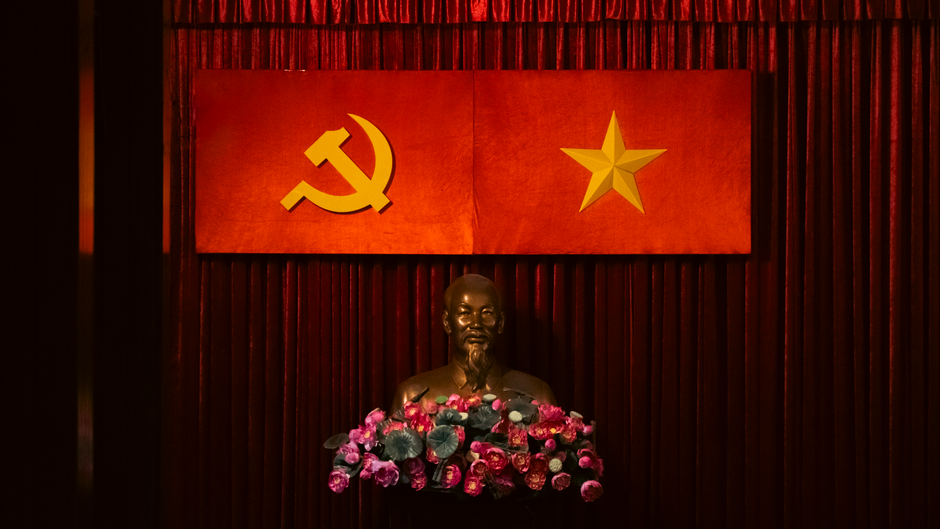
Photo by Phát Trương on Pexels
Beyond just resources, Japan was driven by powerful political ideas that shaped its expansionist ambitions.
- The Greater East Asia Co-Prosperity Sphere: This was Japan's vision for an Asian bloc led by Japan, supposedly freeing Asian nations from Western colonial rule. In reality, it was a Japanese empire designed to serve Japan's economic and strategic interests. They promised to kick out the Westerners and create a new order where Asian nations would "co-prosper" under Japanese leadership.
- Japanese Racial Superiority: Underlying the Co-Prosperity Sphere was a strong belief among many Japanese that they were racially superior to other Asian peoples and had a divine mission to lead them. They saw themselves as the most advanced and capable nation in Asia, destined to create a new order. This ideology justified their conquests and the often brutal treatment of occupied populations.
- "Asia for Asians": This slogan was used to rally support, particularly among populations who resented European colonial rule. Japan presented itself as a liberator, but its true intention was to replace Western dominance with its own.
Strategic Considerations: Weakness of European Powers

Photo by Rafael Minguet Delgado on Pexels
World War II in Europe played directly into Japan's hands.
- European Powers Distracted: Britain, France, and the Netherlands, who controlled much of Southeast Asia, were deeply embroiled in the war against Nazi Germany. Their military resources were stretched thin in Europe and North Africa, leaving their Asian colonies relatively undefended.
- Fall of France and Netherlands: The rapid defeat of France and the Netherlands by Germany in 1940 left their colonial possessions (French Indochina and Dutch East Indies) vulnerable and poorly governed from their home countries. This presented an opportune moment for Japan to move in.
The combination of its own urgent needs, its strong ideological convictions, and the opportune moment presented by the global conflict created the perfect storm for Japan's invasion of Southeast Asia.
graph TD
    A["Japan's Need for Resources"] --> B["Oil Embargo by USA (1941)"]
    A --> C["Desire for Raw Materials (Oil, Rubber, Tin)"]

    D["Japanese Political Ideologies"] --> E["Greater East Asia Co-Prosperity Sphere"]
    D --> F["Belief in Japanese Racial Superiority"]
    D --> G["'Asia for Asians' (Anti-Western Colonialism)"]

    H["Weakness of Western Powers"] --> I["European Powers Preoccupied with WWII in Europe"]
    H --> J["Fall of France & Netherlands (1940)"]
    H --> K["Colonial Defences Weakened"]

    B --> L["Urgent Need for New Resource Sources"]
    C --> L

    L --> M["Japan's Decision to Invade Southeast Asia"]
    E --> M
    F --> M
    G --> M
    I --> M
    J --> M
    K --> M
3. Worked Example
Let's look at the example of oil. In 1940, Japan imported about 90% of its oil, mostly from the United States. When the US imposed an oil embargo in July 1941, Japan's oil reserves were estimated to last only about 18-24 months for military operations. Without a new source, their entire war effort would collapse. The Dutch East Indies, rich in oil fields like those in Sumatra and Borneo, became an absolutely critical target. Japan calculated that capturing these oil fields was essential for its survival as a major power, even if it meant war with the Western Allies. This direct threat to its energy supply was a major catalyst for their push south.
4. Key Takeaways
- Japan lacked natural resources like oil, rubber, and tin, which were essential for its growing industries and military.
- The US oil embargo in 1941 critically threatened Japan's ability to wage war, making the resource-rich Southeast Asia a necessary target.
- The "Greater East Asia Co-Prosperity Sphere" was Japan's vision to unite Asia under its leadership, supposedly freeing it from Western colonial rule.
- A strong belief in Japanese racial superiority underpinned their expansionist ideology and justification for dominating other Asian nations.
- The distraction and weakening of European colonial powers (Britain, France, Netherlands) due to WWII in Europe created an opportune moment for Japan to invade.
-
Japan presented itself as a liberator from Western rule, using slogans like "Asia for Asians," but its true goal was to establish its own empire.
-
Common Mistakes to Avoid:
- Don't think Japan invaded only for resources; ideology played a huge role in justifying their actions.
- Don't assume the "Co-Prosperity Sphere" was genuinely about equality; it was a hierarchical system with Japan at the top.
- Don't forget the role of the US oil embargo; it was a major trigger, not just a minor factor.
- Avoid thinking that Japan was purely defensive; their actions were aggressive expansionism driven by imperial ambition.
5. Now Try It
Imagine you are a Japanese government official in late 1941. Write a short, persuasive speech (about 150 words) to convince hesitant military leaders that invading Southeast Asia is absolutely necessary. You need to touch upon both the practical needs (resources) and the ideological justifications ("Asia for Asians" / Co-Prosperity Sphere).
What success looks like: Your speech clearly articulates the desperate need for resources, specifically mentioning what resources are needed and why. It also incorporates elements of Japanese superiority and the idea of liberating Asia from Western powers, framing the invasion as a noble and necessary act.
Frequently asked about Reasons for Japanese Invasion and Initial Ideologies
More from Sec 2 history chapter 6
Get the full Sec 2 history chapter 6 curriculum
Clone the complete plan to your dashboard for unlimited AI-generated notes, practice quizzes, and a personalised revision schedule.
Save this course free