Recap: Pre-Occupation Singapore and the Fall of Singapore
From the Sec 2 history chapter 6 curriculum
TL;DR
Before World War II, Singapore was a crucial British colony and military base in Southeast Asia. Its strategic importance, especially its naval base, made it a key target for the Japanese. Despite strong defenses, Singapore fell quickly to the Japanese in February 1942 due to a combination of factors, including underestimation of the enemy and flawed defense strategies.
1. The Mental Model
Imagine Singapore as a heavily armored fortress guarding a vital trade route. The British built it to be invincible from the sea, but the Japanese found an unexpected backdoor, and the "fortress" crumbled.
2. The Core Material
Singapore was a significant British colony for several reasons. It was strategically located along major trade routes, acting as a crucial entrepôt (a trading post where goods are imported and exported without being subject to customs duties) for Southeast Asia and beyond. This made it a vibrant economic hub, attracting people from all over the region and contributing significantly to the British Empire's wealth.
More importantly, Singapore was a vital military stronghold. The British built a massive naval base there in the 1920s and 30s, believing it was impregnable. It was meant to be the cornerstone of their defense strategy in Asia, protecting British interests and deterring potential enemies. The British called it their "Gibraltar of the East."
However, this reliance on naval defense had a major flaw: the British assumed any attack would come from the sea. They heavily fortified the southern coast but left the northern approaches, facing Malaya, relatively undefended, believing the dense jungle there would be a natural barrier.
The Japanese had a different plan. After attacking Pearl Harbor, they launched simultaneous attacks across Southeast Asia in December 1941, including Malaya. Their strategy was to advance rapidly down the Malay Peninsula.
Here's a breakdown of the key factors leading to Singapore's fall:
Japanese Invasion Strategy

Photo by Usman AbdulrasheedGambo on Pexels
The Japanese launched a surprise attack on Malaya in December 1941, using bicycles and light tanks to move quickly through the jungle, effectively outflanking British defenses. They also used air superiority to destroy British airfields and ships.
British Misconceptions and Preparedness
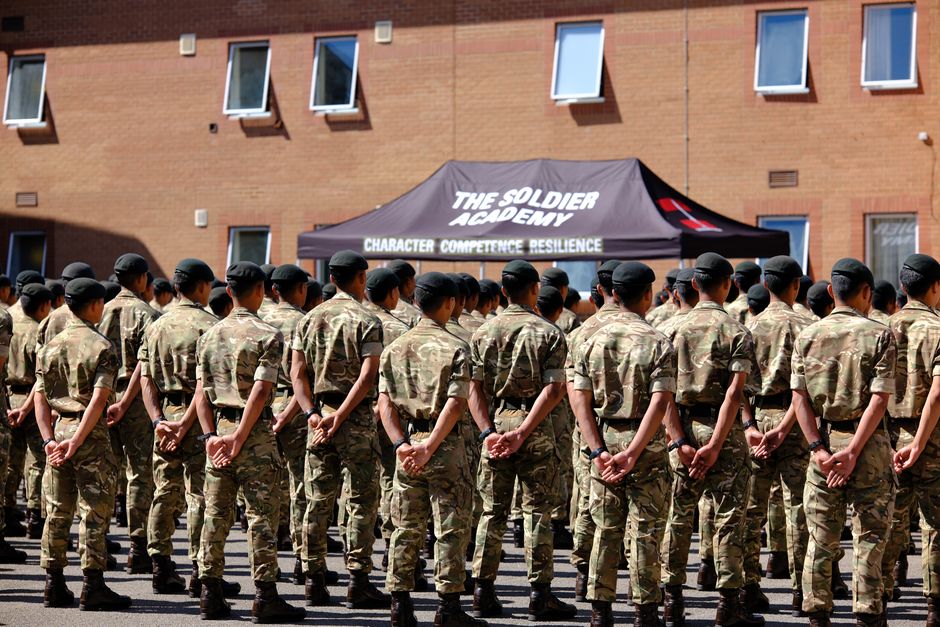
Photo by Mick Latter on Pexels
The British gravely underestimated the Japanese forces, believing them to be inferior in fighting spirit and equipment. They also had a flawed defense strategy, focusing almost entirely on a naval attack and leaving the north of Singapore vulnerable. Their best troops and equipment were often sent to Europe to fight against Germany.
Malayan Campaign and the Fall of Singapore
Photo by Jeffry Surianto on Pexels
The Japanese advanced rapidly down Malaya, reaching Johor Bahru by the end of January 1942. They then launched their invasion of Singapore on 8 February 1942, crossing the Johor Strait. Despite fierce resistance from some British, Australian, and local forces, the Japanese quickly gained ground. General Percival, the British commander, surrendered Singapore to General Yamashita on 15 February 1942.
Here's a visual of the key events:
graph TD
    A["Singapore as Entrepôt & Military Base"] --> B["British focus on Naval Defense"];
    B --> C["North of Singapore Undefended"];
    D["Japan Attacks Pearl Harbor (Dec 1941)"] --> E["Japanese Invasion of Malaya"];
    E --> F["Rapid Japanese Advance (Bicycles/Air Power)"];
    F --> G["British Underestimation of Japan"];
    G --> H["Poor British Defense Strategy"];
    E --> I["Japanese Cross Johor Strait (Feb 1942)"];
    I --> J["Battle for Singapore"];
    J --> K["British Surrender (15 Feb 1942)"];
3. Worked Example
Imagine you're Winston Churchill, the British Prime Minister, in 1940. You're told Singapore is a vital fortress. You've invested heavily in its naval defenses. An intelligence report comes in suggesting a potential land-based invasion from Malaya. Your generals dismiss it, saying, "The jungle is impassable, and the Japanese are no match for our forces." You choose to trust your generals and prioritize sending resources to the European front. Fast forward to February 1942: General Percival is surrendering Singapore after a swift land invasion. This example shows how overconfidence and misplaced assumptions about the enemy and geography directly led to the downfall. The "impenetrable jungle" turned out to be no match for a well-prepared and innovative enemy.
4. Key Takeaways
- Singapore was a key economic and military British colony before WWII.
- Its strategic location made it the "Gibraltar of the East" with a powerful naval base.
- The British defense strategy was flawed, focusing too much on sea attacks and neglecting land defense from Malaya.
- The Japanese launched a swift and effective invasion of Malaya, surprising the British.
- British underestimation of the Japanese military capabilities played a significant role in their defeat.
- Singapore fell within a week of the Japanese invasion from Malaya.
- The fall of Singapore shattered the myth of British invincibility in Asia.
Common Mistakes to Avoid:
- Don't think the British didn't defend Singapore at all; they just defended it poorly and in the wrong direction.
- Don't assume the Japanese won solely due to superior numbers; their strategy and tactics were key.
- Avoid thinking the fall was only about military factors; British overconfidence and racial prejudice against the Japanese also played a role.
- Don't confuse the attack on Pearl Harbor with the invasion of Malaya; they happened at roughly the same time but were separate operations.
5. Now Try It
Imagine you are a British military strategist in 1938. Based on what you've learned, write a short, one-paragraph memo (about 5-7 sentences) to your superiors outlining three critical changes you'd propose for Singapore's defense strategy, specifically addressing vulnerabilities from the north. What success looks like: Your memo clearly identifies the overlooked threat and suggests practical, geographically aware solutions.
Frequently asked about Recap: Pre-Occupation Singapore and the Fall of Singapore
More from Sec 2 history chapter 6
Get the full Sec 2 history chapter 6 curriculum
Clone the complete plan to your dashboard for unlimited AI-generated notes, practice quizzes, and a personalised revision schedule.
Save this course free