Canada's Major Bodies of Water and Their Impact
From the Geography unit test - Grade 9 curriculum
Canada's Major Bodies of Water and Their Impact
TL;DR
Canada is defined by its vast network of freshwater and saltwater bodies, which profoundly shape its climate, economy, and culture. These waters provide crucial resources, transportation routes, and support diverse ecosystems. Understanding their roles helps you grasp Canada's geography and development.
1. The Mental Model
Think of Canada's water bodies as the country's lifeblood, creating connections and conditions that make Canada what it is. They're not just physical features; they're active forces influencing everything around them.
2. The Core Material
Canada has more freshwater than any other country and boasts the world's longest coastline. These waters fall into a few major categories, each with distinct characteristics and impacts.
Major Freshwater Bodies

Photo by Athena Sandrini on Pexels
These include large lakes and river systems.
- Great Lakes: Shared with the USA, these five massive lakes (Superior, Michigan, Huron, Erie, Ontario) hold a huge amount of the world's surface freshwater. They're vital for shipping, industry, fishing, and provide drinking water for millions. Their presence also affects local weather, causing lake-effect snow in winter.
- Other Large Lakes: Lakes like Great Bear Lake and Great Slave Lake in the North are among the world's largest by surface area and volume, though less populated. They're crucial for Indigenous communities and mining.
- Major Rivers: The Mackenzie River system is Canada's longest, flowing into the Arctic Ocean. The St. Lawrence River is a key waterway connecting the Great Lakes to the Atlantic, enabling deep-sea shipping far inland. Rivers are essential for transportation, hydroelectric power (electricity), and wildlife habitats.
Major Saltwater Bodies
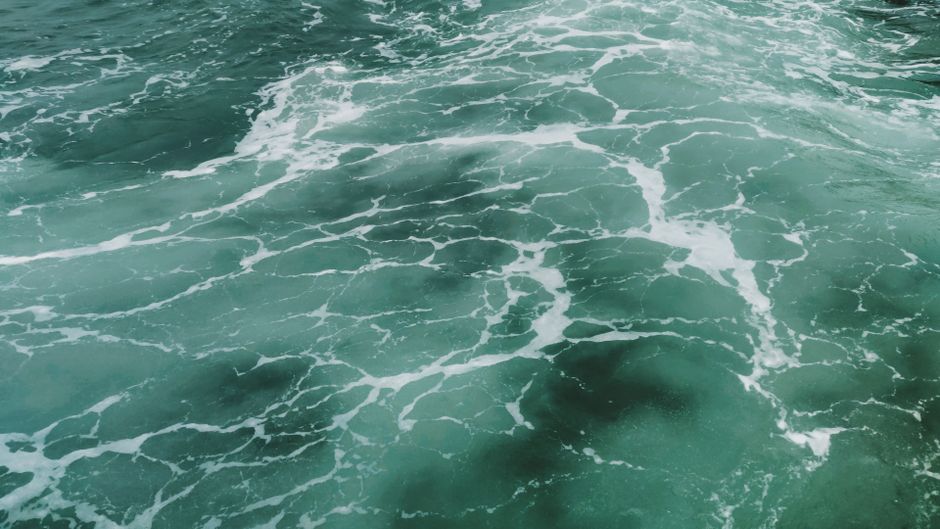
Photo by Diana ✨ on Pexels
Canada is bordered by three oceans.
- Atlantic Ocean: On the east, it's famous for its rich fishing grounds (historically the Grand Banks) and provides a gateway for trade with Europe. The Gulf of St. Lawrence is an important part of this system.
- Pacific Ocean: On the west, it influences the mild, wet climate of British Columbia. It's crucial for Asian trade, fishing, and forestry.
- Arctic Ocean: To the north, it's largely covered by ice for much of the year, but melting ice is opening up new shipping routes (the Northwest Passage) and access to natural resources, raising environmental concerns.
Impact of Water Bodies

Photo by Engin Akyurt on Pexels
These waters have widespread effects:
- Climate: Large water bodies moderate temperatures (cooler summers, warmer winters) and increase precipitation (rain and snow).
- Economy: Key industries like fishing, shipping, hydroelectric power generation, tourism, and agriculture (irrigated by rivers) rely heavily on these waters.
- Transportation: Rivers and lakes have historically been, and continue to be, essential routes for moving goods and people.
- Culture & History: Indigenous peoples have lived alongside and used these waters for millennia. European exploration and settlement often followed major waterways.
- Environment: They support incredible biodiversity, from marine life to freshwater fish and migratory birds.
Here's a breakdown of how these major water bodies create various impacts:
graph TD
    A["Major Water Bodies"] --> B["Freshwater (Lakes, Rivers)"]
    A --> C["Saltwater (Oceans)"]

    B --> D["Climate Moderation"]
    B --> E["Hydroelectric Power"]
    B --> F["Drinking Water & Agriculture"]
    B --> G["Inland Transportation"]
    B --> H["Ecosystems & Biodiversity"]

    C --> D
    C --> I["Global Trade & Shipping"]
    C --> J["Fisheries"]
    C --> K["Coastal Ecosystems"]
    C --> L["Resource Extraction (Offshore Oil/Gas)"]

    D --> M["Regional Weather Patterns"]
    E --> N["Electricity Supply"]
    F --> O["Population Centers"]
    G --> P["Historical Development & Modern Commerce"]
    H --> Q["Wildlife Habitats"]
    I --> R["Economic Prosperity"]
    J --> S["Food Source & Industry"]
    K --> Q
    L --> R
3. Worked Example
Let's consider the St. Lawrence River and Great Lakes system. This single network connects the heart of North America to the Atlantic Ocean. Economically, it allows massive cargo ships to travel from the Atlantic all the way to Thunder Bay, Ontario. This supports industries like grain exports, manufacturing, and mineral shipping, making cities like Montreal and Toronto major economic hubs. Environmentally, it's a diverse ecosystem, but also faces challenges from pollution due to heavy industry and urban development along its banks. Culturally, it was the main route for early European explorers and settlers, shaping the distribution of French and English settlements in Eastern Canada.
4. Key Takeaways
- Canada's vast water bodies are fundamental to its physical geography and human geography.
- Freshwater lakes and rivers are critical for drinking water, power generation, and inland transport.
- The Atlantic, Pacific, and Arctic Oceans are vital for trade, fishing, and climate.
- Water bodies significantly influence regional climates, often moderating temperatures and increasing precipitation.
- Economic activities like shipping, fishing, and hydroelectricity are directly dependent on these waters.
- Canada's historical development and cultural patterns are closely tied to its major waterways.
-
Managing and protecting these water resources is a key environmental challenge for Canada.
-
Avoid forgetting the Arctic Ocean's significance, even if it's less populated.
- Don't confuse the climate moderating effects of large water bodies with continental climates.
- Don't underestimate the role of rivers in both historical settlement and modern energy production.
- Don't just list water bodies; think about their impacts on Canada.
5. Now Try It
Take a blank map of Canada. On it, identify and label the five Great Lakes, the St. Lawrence River, the Mackenzie River, and Canada's three bordering oceans. Then, for two of these identified water bodies (one freshwater, one saltwater), write down three distinct ways each impacts Canada's economy, environment, or culture.
Success looks like a correctly labeled map and concise, accurate impact statements for your chosen water bodies.
Frequently asked about Canada's Major Bodies of Water and Their Impact
Study this next
Get the full Geography unit test - Grade 9 curriculum
Clone the complete plan to your dashboard for unlimited AI-generated notes, practice quizzes, and a personalised revision schedule.
Create Free Account