Long-Term Systemic Hazards and Environmental Impacts
From the Volcanoes geog curriculum
Long-Term Systemic Hazards and Environmental Impacts
TL;DR
Volcanic eruptions cause long-term environmental changes like climate alteration and landscape modification, impacting ecosystems and human life. These effects aren't just immediate; they can last for years to centuries, requiring communities to adapt to new conditions. Understanding these sustained impacts helps us plan for future resilience.
1. The Mental Model
Think of a volcano as not just a one-time event, but a persistent force that reshapes everything around it. Its long-term impacts are like ripples spreading out over time and space, altering climate, land, and water for decades or even centuries after the initial eruption.
2. The Core Material
When we talk about volcanic hazards, it's easy to focus on the immediate dangers like lava flows or ashfall. However, some of the most significant impacts are felt over much longer periods, affecting entire systems – our climate, ecosystems, and human societies. These are "systemic" because they influence interconnected parts of the environment.
2.1 Climate Change

Photo by Amar Preciado on Pexels
Large volcanic eruptions, especially those that inject huge amounts of sulfur dioxide (SO2) into the stratosphere, can cause global climate changes. Once in the stratosphere, SO2 reacts with water to form sulfate aerosols. These tiny particles reflect sunlight back into space, leading to a temporary cooling effect on Earth's surface. This can last for a few years after a major eruption.
For example, the 1815 eruption of Mount Tambora caused the "Year Without a Summer" in 1816, leading to widespread crop failures and famine in Europe and North America. While temporary, such events highlight the profound, far-reaching impact on agricultural systems and human survival.
2.2 Landscape Alteration and Ecosystem Succession
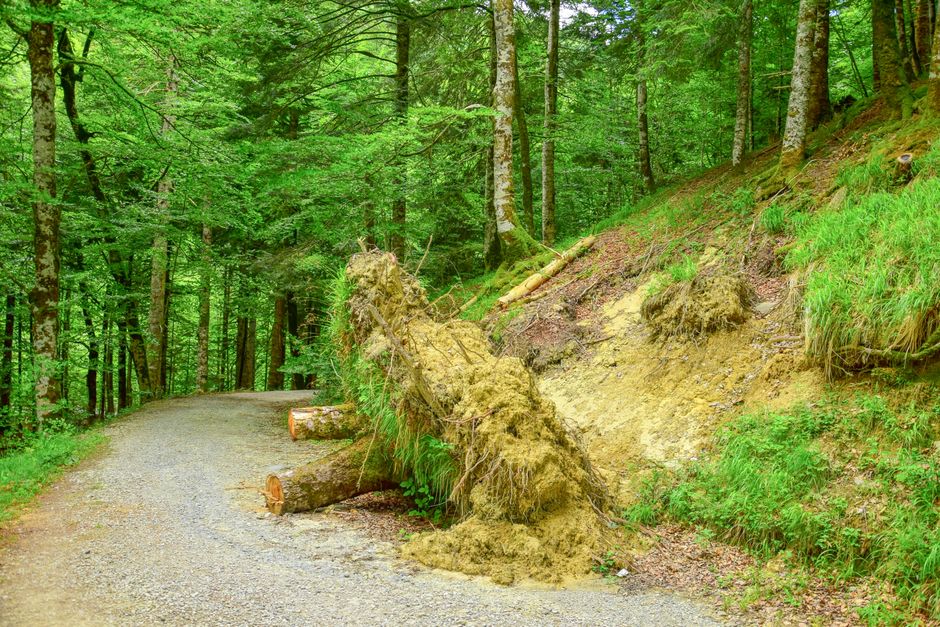
Photo by Emilio Sánchez Hernández on Pexels
Volcanic activity fundamentally reshapes the landscape. Lava flows bury existing land, creating new terrain, while pyroclastic flows and ash deposits can sterilize vast areas. Over time, these new or damaged landscapes undergo ecological succession – the process by which ecosystems recover and develop. This can take decades to centuries.
New volcanic soils, though initially barren, can become very fertile over time due to the minerals present in ash and weathered lava. This allows new plant communities to establish, which then support animal life, slowly rebuilding the ecosystem. However, the specific species that thrive might be different from those that existed before the eruption.
2.3 Hydrological System Changes
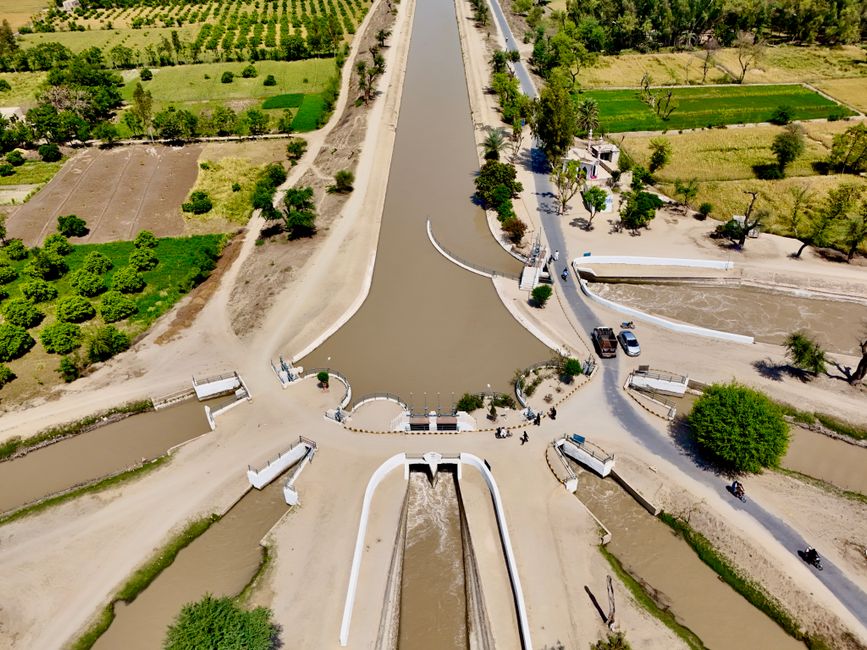
Photo by Kashif Shah on Pexels
Eruptions can drastically alter drainage patterns. Lava flows can dam rivers, creating new lakes or diverting watercourses. Ashfall can clog rivers and streams, leading to increased flooding or making water resources unusable. Lahars (volcanic mudflows) can scour river valleys, changing their shape and depositing huge amounts of sediment. These changes can affect water availability, quality, and transportation for a very long time.
graph TD
    A["Volcanic Eruption"] --> B{"Release of Materials"};
    B --> C["Ash & Gases into Atmosphere"];
    B --> D["Lava & Pyroclastic Flows on Surface"];

    C --> E["Formation of Sulfate Aerosols"];
    E --> F["Reduced Sunlight Reflection"];
    F --> G["Temporary Global Cooling"];
    G --> H["Disrupted Agricultural Seasons (e.g., Year Without a Summer)"];

    D --> I["Landscape Burial/Reshaping"];
    D --> J["River Channel Obstruction/Diversion"];

    I --> K["New Soil Formation"];
    K --> L["Ecological Succession (Slow Plant & Animal Return)"];
    J --> M["New Lake Formation / Increased Flooding"];
    J --> N["Altered Water Supply & Quality"];

    H --> P["Long-Term Societal Adaptations"];
    L --> P;
    M --> P;
    N --> P;
2.4 Long-Term Health and Resource Impacts

Photo by Pyae Phyo Aung on Pexels
Volcanic gases like SO2, CO2, and hydrogen sulfide (H2S) can continue to be released from volcanic areas for years or even decades after an eruption. These gases can affect air quality, lead to acid rain, and pose long-term health risks to people and animals living nearby. Depending on their concentration and duration, they can cause respiratory problems and damage to vegetation.
Also, the disruption of natural resources – forests, fertile land, fishing grounds – can have persistent economic and social impacts, forcing communities to find new livelihoods or relocate.
3. Worked Example
Consider the eruption of Laki in Iceland in 1783-1784. This wasn't a single explosive eruption, but a massive fissure eruption that released an enormous amount of sulfur dioxide and fluorine. The long-term impacts were devastating. The "Laki Haze" spread across Europe, leading to significant climate anomalies, including cooler temperatures and unusual weather patterns for several years.
In Iceland itself, the fluorine poisoning from the ash led to widespread livestock deaths (fluorosis), which in turn caused a famine that killed about a quarter of the island's human population. The changes in atmospheric chemistry and the resulting agricultural failures demonstrate how a volcanic event can trigger a cascade of long-term environmental and societal disasters far beyond the immediate blast zone.
4. Key Takeaways
- Volcanic eruptions can lead to temporary global cooling due to sulfate aerosols in the stratosphere.
- Landscapes are permanently reshaped by lava and ash, initiating long processes of ecological succession.
- Hydrological systems can be dramatically altered by lava flows and ash, impacting water availability and flood risk.
- Persistent volcanic gas emissions can cause long-term health issues and environmental degradation like acid rain.
- Long-term impacts often force communities to adapt to new environmental conditions and resource availability.
- The scale of an eruption dictates the geographic reach and duration of its systemic environmental effects.
Common Mistakes to Avoid
- Don't only focus on immediate hazards; remember the long-term, systemic changes.
- Don't assume all volcanic impacts are destructive; new fertile soils can eventually form.
- Don't underestimate the role of atmospheric changes on global climate, even if temporary.
- Don't forget that economic and social systems are heavily impacted by environmental changes.
5. Now Try It
Research a major volcanic eruption (e.g., Krakatoa 1883, Pinatubo 1991, Tambora 1815) and specifically identify at least two long-term systemic environmental or climatic impacts it had, and explain how these impacts manifested over time. What did people living in affected areas have to do to adapt?
Success looks like: You can clearly describe two specific long-term effects (beyond the initial eruption phase) and provide examples of how these impacted ecosystems or human societies for years afterward.
Frequently asked about Long-Term Systemic Hazards and Environmental Impacts
Study this next
Get the full Volcanoes geog curriculum
Clone the complete plan to your dashboard for unlimited AI-generated notes, practice quizzes, and a personalised revision schedule.
Create Free Account