Emergency Preparedness and Education
From the Volcanoes geog curriculum
Emergency Preparedness and Education
TL;DR
Emergency preparedness for volcanoes involves understanding risks, creating plans, and practicing responses. Education helps communities know what to do before, during, and after an eruption to minimize harm. It's all about making sure everyone knows their role to stay safe when a volcano threatens.
1. The Mental Model
Think of emergency preparedness as building a strong safety net for a community living near a volcano. It's about knowing what could happen, having a clear plan for when it does, and ensuring everyone understands their part in that plan. This proactive approach saves lives and reduces damage.
2. The Core Material
Volcanic emergencies require a multi-faceted approach, blending scientific understanding with community action. It's not just about what authorities do, but also what you, as an individual and part of a community, need to know and do.
Understanding Volcanic Hazards

Photo by Diego Girón on Pexels
First, you need to understand the specific hazards posed by a nearby volcano. These aren't always just lava flows.
* Pyroclastic flows: Fast-moving currents of hot gas and volcanic debris. Extremely deadly.
* Lahars: Mudflows of volcanic material and water, often triggered by melting snow or heavy rain. They can travel far.
* Ashfall: Volcanic ash can collapse roofs, damage crops, contaminate water, and cause respiratory problems.
* Volcanic gases: Invisible and toxic gases like sulfur dioxide or carbon dioxide.
* Lava flows: While destructive, they're usually slow enough to outrun, but they destroy everything in their path.
* Volcanic bombs: Large rocks ejected from the volcano.
Developing Emergency Plans
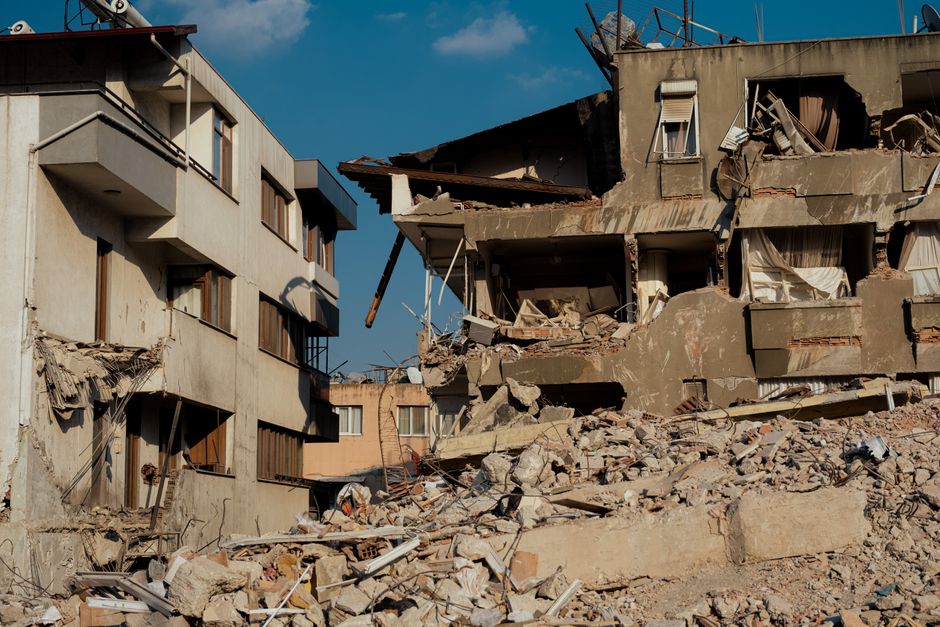
Photo by Doruk Aksel Anıl on Pexels
Effective emergency plans are tailored to the specific hazards and community. They typically involve several key components:
* Monitoring and Early Warning Systems: Scientists constantly watch volcanoes for signs of unrest. When activity increases, warnings are issued.
* Evacuation Routes and Shelters: Clearly defined paths to safety and designated safe places. These need to be communicated clearly.
* Communication Strategies: How will information be shared with the public before, during, and after an event? This includes official channels like sirens, radio, TV, and social media.
* Resource Allocation: Ensuring emergency services, medical supplies, food, and water are available.
The Role of Education
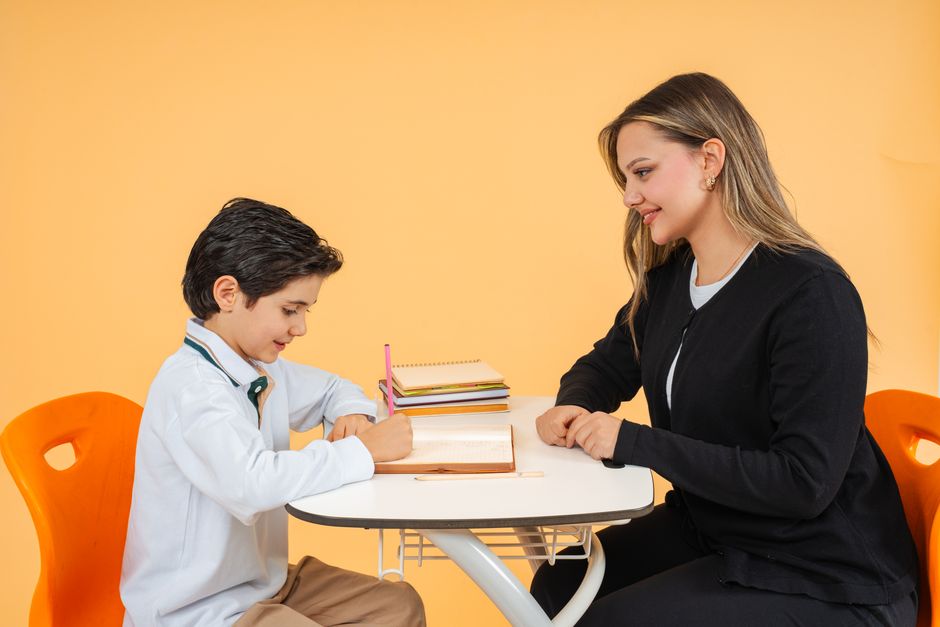
Photo by Ahmet Kurt on Pexels
Education is crucial because even the best plan is useless if people don't know it exists or how to follow it.
* Public Awareness Campaigns: Informing residents about local volcanic hazards, warning signals, and safety actions.
* School Programs: Teaching children about volcanoes and emergency procedures, as they can also educate their families.
* Community Drills: Practicing evacuation and response plans helps people know what to do instinctively.
* First Aid and Preparedness Kits: Encouraging individuals to have personal emergency kits and basic first aid knowledge.
Here's a simplified process for how emergency preparedness and education connect:
graph LR
    A["Monitor Volcano Activity"] --> B["Assess Hazard Level"];
    B --> C{{"Is Hazard Imminent?"}};
    C -- "No" --> A;
    C -- "Yes" --> D["Issue Warning/Alert"];
    D --> E["Implement Emergency Plan (Evacuation, etc.)"];
    D --> F["Activate Public Education/Communication"];
    E --> G["Community Response (Following Plan)"];
    F --> G;
    G --> H["Post-Eruption Recovery"];
Personal Preparedness
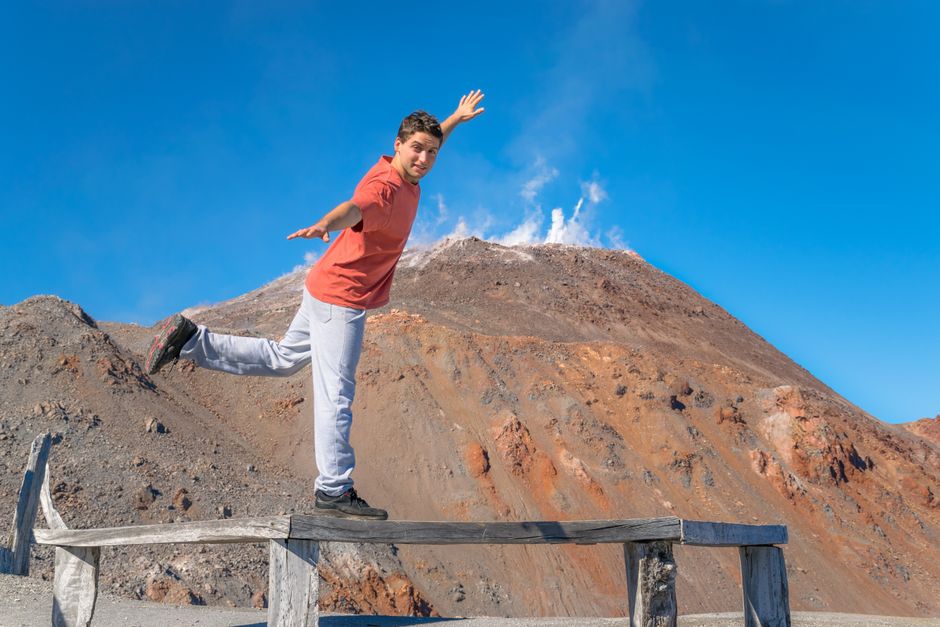
Photo by Diego Gonzalez on Pexels
Beyond community plans, your personal preparedness is vital.
* Emergency Kit: Have a kit with water, non-perishable food, first-aid supplies, a flashlight, radio, extra batteries, dust masks, and important documents.
* Family Communication Plan: Decide on a meeting place outside the home and an out-of-state contact person in case you're separated.
* Evacuation Bag: A smaller, lighter bag with essentials ready to go immediately.
* Stay Informed: Know the local warning signs and official communication channels.
3. Worked Example
Imagine you live near Mount Rainier, a volcano known for its potential for lahars. Your local emergency management office has issued a "Lahar Advisory" due to increased seismic activity and heavy rainfall on the mountain.
- Understanding the Warning: The advisory means conditions are ripe for a lahar. You've been educated that lahars can travel tens of miles and reach your community quickly.
- Checking Your Plan: You recall your family's emergency plan: your primary evacuation route is Highway 164 to the north, away from the river valley. Your meeting point is the school gymnasium in Enumclaw, which is designated as a safe zone.
- Gathering Your Kit: You immediately grab your pre-packed "go-bag" which contains: 3 days of water and food, dust masks, a battery-powered radio, first-aid kit, copies of essential documents, and warm clothes. Your car's gas tank is already full, as advised.
- Communicating: You text your out-of-state contact person to let them know you're evacuating. You then turn on the local emergency radio station for updates.
- Evacuating: When the official "Lahar Evacuation Order" is issued, you calmly get in your car and follow the pre-determined evacuation route, avoiding any low-lying areas or river crossings. You know not to wait, as lahars can move fast.
By having this plan and being educated on its steps, you're ready to act quickly and safely when the actual emergency arises.
4. Key Takeaways
- Understand the specific volcanic hazards that could affect your area, not just lava.
- Community and personal emergency plans should include evacuation routes, communication strategies, and designated safe zones.
- Education ensures everyone knows their role and how to act during a volcanic event.
- Regularly check and update your personal emergency kit and family communication plan.
- Participate in community drills to practice responses and identify any gaps in planning.
- Never wait for a mandatory evacuation order if an official advisory suggests imminent danger; pre-evacuate if you can safely.
Common mistakes to avoid:
- Assuming only lava is dangerous; lahars and ashfall can be equally, if not more, destructive.
- Not having a personal emergency kit or an updated family communication plan.
- Relying solely on official warnings; personal vigilance and knowing the signs are also important.
- Ignoring evacuation orders or waiting until the last minute, which can put you and responders at risk.
5. Now Try It
Spend 15 minutes researching the nearest active volcano to your hypothetical location (you can choose one if there isn't an obvious one near you). Identify its primary hazards and find out if there are any specific emergency plans or evacuation routes established for communities in its vicinity. Based on this, list three specific actions you would take to prepare yourself and your household for a potential eruption from that volcano. Your success looks like a clear understanding of the volcano's threats and actionable steps you could genuinely implement.
Frequently asked about Emergency Preparedness and Education
Study this next
Get the full Volcanoes geog curriculum
Clone the complete plan to your dashboard for unlimited AI-generated notes, practice quizzes, and a personalised revision schedule.
Create Free Account