Wind, Hydro, Geothermal, and Nuclear Energy
From the End of Science -- Chemistry/renewable/sustainability/energy curriculum
Wind, Hydro, Geothermal, and Nuclear Energy
TL;DR
You'll learn about four major non-fossil fuel energy sources: wind, hydro, geothermal, and nuclear. Each has unique ways of generating electricity, with different benefits and drawbacks. Understanding these helps you grasp the diverse approaches to sustainable energy.
1. The Mental Model
Think of these as different ways to spin a turbine. Whether it's moving air, falling water, underground heat, or atomic reactions, the goal is often the same: make something turn, which then generates electricity.
2. The Core Material
Let's break down how these different energy sources work and what their main characteristics are.
Wind Energy
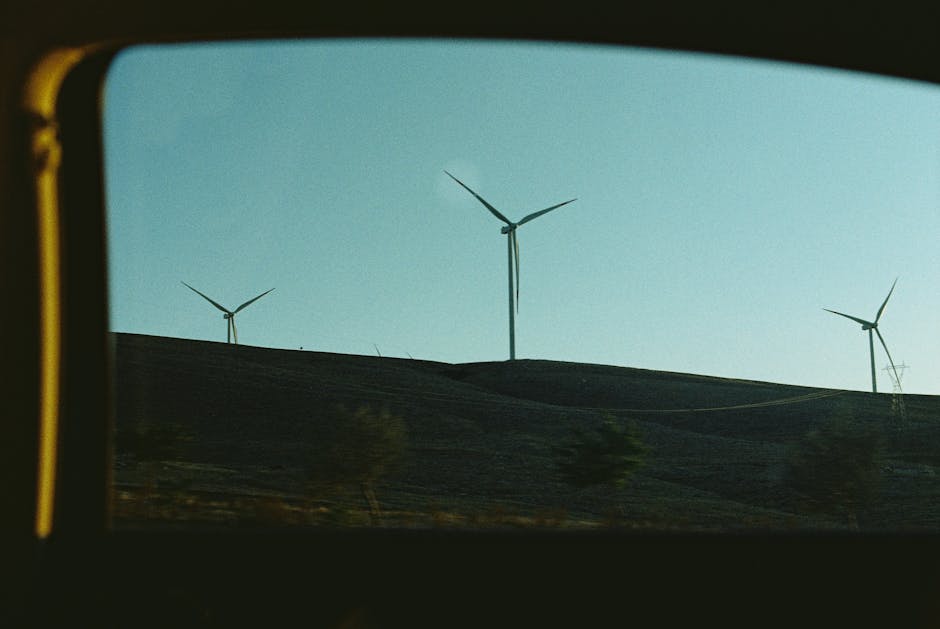
Photo by Ahsen on Pexels
Wind turbines convert the kinetic energy of moving air into electrical energy. The wind pushes large blades, which rotate a shaft connected to a generator. The faster the wind, the more electricity can be produced, up to a certain point where the turbine might shut down to prevent damage.
Wind farms can be onshore (on land) or offshore (in the sea). Offshore farms often have steadier, stronger winds but are more expensive to build and maintain.
Hydroelectric Energy

Photo by Kris Møklebust on Pexels
Hydroelectric power harnesses the energy of moving water, usually by building a dam across a river. Water is stored in a reservoir, creating potential energy. When released, it flows downhill through large pipes (penstocks) and spins a turbine connected to a generator. This is a very reliable source once built, but it requires specific geographical conditions and can have significant environmental impacts on river ecosystems.
There are also smaller forms like run-of-river hydro, which doesn't require a large dam and reservoir, and pumped-hydro storage, which uses electricity to pump water uphill to a reservoir, then releases it later to generate power when demand is high.
Geothermal Energy
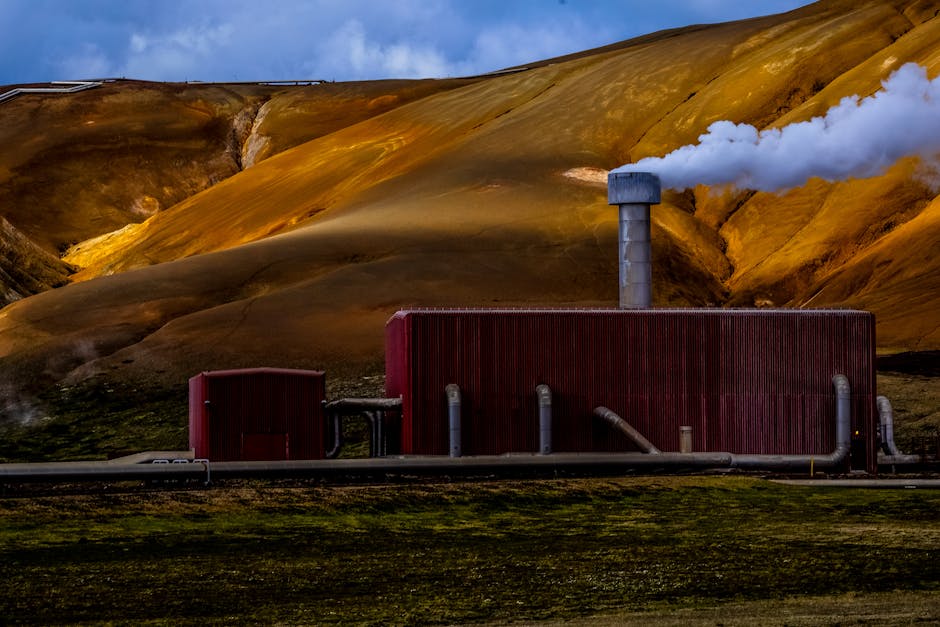
Photo by Francesco Ungaro on Pexels
Geothermal energy uses heat from inside the Earth. In certain regions, hot water and steam naturally rise close to the surface. Wells are drilled to tap into these underground reservoirs. The hot steam or water is then used to directly spin turbines or to heat a secondary fluid that then spins turbines. This is a continuous, baseload power source, meaning it can generate electricity 24/7, but it's geographically limited to areas with accessible geothermal resources.
Nuclear Energy

Photo by Wolfgang Weiser on Pexels
Nuclear power plants generate electricity through nuclear fission. Uranium atoms are split in a controlled chain reaction, releasing a tremendous amount of heat. This heat boils water to produce high-pressure steam, which then drives a turbine connected to a generator. Nuclear energy provides a large amount of carbon-free electricity from a small amount of fuel, offering baseload power without greenhouse gas emissions during operation. However, it comes with challenges like radioactive waste disposal and safety concerns.
graph TD
    A["Energy Source"] --> B["Mechanism"]
    B --> C["Turbine Rotation"]
    C --> D["Generator"]
    D --> E["Electricity Output"]

    subgraph Wind
        A_w["Wind (Kinetic Energy)"] --> B_w["Pushes Blades"]
        B_w --> C
    end

    subgraph Hydro
        A_h["Water (Potential/Kinetic Energy)"] --> B_h["Flows Through Penstock"]
        B_h --> C
    end

    subgraph Geothermal
        A_g["Earth's Heat"] --> B_g["Heats Water/Steam"]
        B_g --> C
    end

    subgraph Nuclear
        A_n["Uranium Fission"] --> B_n["Produces Heat to Boil Water"]
        B_n --> C
    end
3. Worked Example
Imagine you're designing a new power grid for a remote island nation.
Scenario: The island has consistent strong winds along its coast, a large river with a significant elevation drop, and some volcanic activity. They also have a very stable power demand that needs a reliable baseload.
Problem: How might these energy sources contribute to the island's power needs?
Solution:
1. Wind Energy: The consistent strong winds make offshore wind farms an excellent option for a significant portion of the island's power. Let's say a 50 MW offshore wind farm can provide about 40% of peak demand, leveraging the consistent wind resource.
2. Hydroelectric Energy: The large river with a drop is perfect for a conventional hydroelectric dam. A 30 MW hydro plant could provide reliable baseload power and be quickly ramped up or down to adjust for fluctuations in wind output. Its reservoir could also store water, providing energy "on demand."
3. Geothermal Energy: With volcanic activity, there's a good chance of exploitable geothermal resources. A 20 MW geothermal plant would be ideal for providing steady, 24/7 baseload power, complementing the variable wind and dispatchable hydro.
This combination creates a diversified grid, using the strengths of each source: wind for high capacity in good conditions, hydro for flexibility and storage, and geothermal for stable baseload.
4. Key Takeaways
- Wind energy converts air movement into electricity using turbines, with both onshore and offshore options.
- Hydroelectric energy uses the force of moving water, often from dams, to spin turbines, offering reliable but geographically dependent power.
- Geothermal energy taps into the Earth's internal heat to create steam for turbines, providing continuous baseload power in specific regions.
- Nuclear energy uses controlled nuclear fission to generate heat, producing large amounts of carbon-free baseload electricity.
- Each source has unique environmental considerations, resource availability, and operational characteristics.
- Diversifying energy sources is crucial for grid stability and resilience.
Common Mistakes to Avoid
- Assuming all renewable energy sources are equally available or suitable for every location.
- Forgetting that "clean" energy sources can still have significant local environmental impacts (e.g., damming rivers).
- Underestimating the importance of energy storage (like pumped-hydro) for variable sources like wind.
- Confusing the safety concerns of nuclear power plants with nuclear weapons; they are fundamentally different.
5. Now Try It
Imagine you're advising a small, landlocked country with no significant rivers, but it's located in a geologically active area. Its energy demand is fairly constant, with some small peaks during the day.
What to do: Propose a primary energy source from the ones we discussed, explain why it's the best fit for this country, and identify one major challenge they might face in implementing it.
What success looks like: You'll clearly state your chosen energy source, justify it based on the given constraints (landlocked, no rivers, geologically active, constant demand), and pinpoint a specific, relevant challenge.
Frequently asked about Wind, Hydro, Geothermal, and Nuclear Energy
Study this next
Get the full End of Science -- Chemistry/renewable/sustainability/energy curriculum
Clone the complete plan to your dashboard for unlimited AI-generated notes, practice quizzes, and a personalised revision schedule.
Create Free Account