Cellular Organization: Prokaryotic Cells
From the نمنن curriculum
Cellular Organization: Prokaryotic Cells
TL;DR
Prokaryotic cells are simple, single-celled organisms that lack a true nucleus and other membrane-bound organelles. They have a basic internal structure, including a cell wall, cell membrane, cytoplasm, ribosomes, and a nucleoid region. Understanding prokaryotic organization is key to grasping fundamental life processes and the distinction from more complex eukaryotic cells.
1. The Mental Model
Imagine a tiny, self-contained bag of life. It has everything it needs to survive and reproduce, but it's very streamlined, without any fancy internal compartments. Everything just floats around inside this bag.
2. The Core Material
Prokaryotic cells are the oldest and simplest forms of life on Earth. They include bacteria and archaea. Unlike eukaryotic cells (which make up plants, animals, fungi, and protists), prokaryotes don't have a nucleus to house their genetic material or other specialized compartments called organelles surrounded by membranes.
Here's a breakdown of their main parts:
Cell Wall
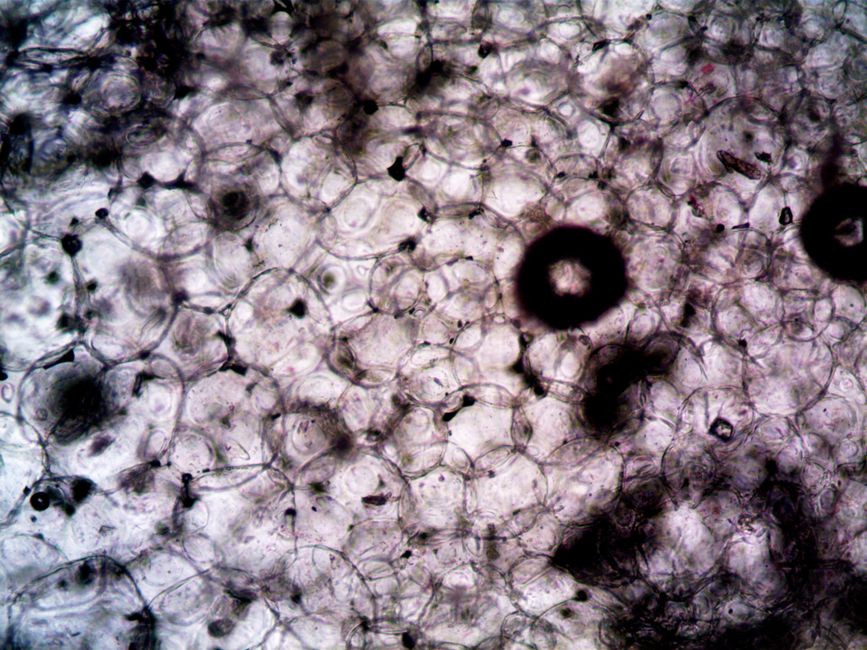
Photo by turek on Pexels
Almost all prokaryotes have a cell wall outside the cell membrane. This wall provides structural support and protection, preventing the cell from bursting when water rushes in. In bacteria, the cell wall is primarily made of peptidoglycan.
Cell Membrane (Plasma Membrane)

Photo by Monstera Production on Pexels
Just inside the cell wall is the cell membrane. This flexible barrier controls what goes in and out of the cell. It's made of a double layer of lipids with proteins embedded in it.
Cytoplasm
The cytoplasm is the jelly-like substance that fills the cell. It's where all the cell's internal components, like ribosomes and the genetic material, are suspended. Many essential chemical reactions happen here.
Ribosomes
These are tiny structures responsible for making proteins. Prokaryotic ribosomes are generally smaller than eukaryotic ribosomes, but they do the same critical job: translating genetic instructions into proteins.
Nucleoid Region

Photo by Monstera Production on Pexels
Instead of a nucleus, prokaryotes have a nucleoid region. This isn't a membrane-bound organelle; it's simply the area where the cell's main genetic material (a single, circular chromosome) is located.
Plasmids
Many prokaryotes also have small, circular pieces of DNA called plasmids floating in the cytoplasm. Plasmids carry genes that can give the cell special abilities, like antibiotic resistance.
Flagella and Pili

Photo by Sachin Shettigar on Pexels
Some prokaryotes have flagella (long, whip-like structures) for movement or pili (shorter, hair-like structures) for attachment to surfaces or for exchanging genetic material with other cells.
Here's how these parts relate to each other:
graph TD
    A["Cell Wall (Protection & Support)"] --> B["Cell Membrane (Controls Entry/Exit)"]
    B --> C["Cytoplasm (Jelly-like filling)"]
    C --> D["Nucleoid Region (Main DNA)"]
    C --> E["Ribosomes (Protein factories)"]
    C --> F["Plasmids (Extra DNA)"]
    B --> G["Flagella/Pili (Movement/Attachment, optional)"]
3. Worked Example
Let's consider a common bacterium like Escherichia coli (E. coli). If you were to look inside an E. coli cell, you'd find:
1. An outer cell wall giving it shape and protection.
2. An inner cell membrane regulating what nutrients enter and waste exits.
3. The cytoplasm filling the cell, acting as the reaction medium.
4. Hundreds of ribosomes buzzing around, translating mRNA into proteins needed for survival.
5. A densely packed nucleoid region containing its single, circular chromosome.
6. Potentially, a few small plasmids carrying genes for things like resistance to certain antibiotics.
7. Depending on the strain, it might have flagella allowing it to swim towards food sources.
This simple setup allows E. coli to grow and divide rapidly, adapting to various environments.
4. Key Takeaways
- Prokaryotic cells are single-celled organisms that lack a nucleus and membrane-bound organelles.
- Their genetic material is located in a nucleoid region, not a true nucleus.
- A cell wall provides structural integrity and protection, primarily made of peptidoglycan in bacteria.
- The cell membrane controls the passage of substances into and out of the cell.
- Ribosomes are the sites of protein synthesis in the cytoplasm.
- Plasmids are small, extra-chromosomal DNA molecules that can carry beneficial genes.
Common Mistakes to Avoid
- Don't confuse the nucleoid region with a nucleus; it lacks a membrane.
- Don't assume all prokaryotes have flagella or pili; these are optional structures.
- Don't forget the cell wall's protective role; it's crucial for prokaryotic survival.
- Don't think prokaryotes are "primitive" or inefficient; their simplicity allows for rapid reproduction and adaptation.
5. Now Try It
Imagine you've discovered a new single-celled organism. You observe that it has a cell wall, ribosomes, and a single, circular chromosome floating in its cytoplasm, but no internal membrane-bound compartments. Based on this, describe in your own words why you would classify it as a prokaryote and what functions each of those observed parts would likely perform. Your success will be knowing the key characteristics that define a prokaryote and the role of its main structures.
Frequently asked about Cellular Organization: Prokaryotic Cells
Study this next
Get the full نمنن curriculum
Clone the complete plan to your dashboard for unlimited AI-generated notes, practice quizzes, and a personalised revision schedule.
Create Free Account