Introduction to History and Prehistory
From the History curriculum
Introduction to History and Prehistory
TL;DR
History studies the past using written records, while prehistory explores times before writing. Understanding these periods helps us grasp how human societies developed over vast stretches of time. It's about piecing together the human story from different kinds of evidence.
1. The Mental Model
Think of history as a detective story where you're trying to figure out what happened using clues. Some clues are written down (history), and some are physical objects or traces (prehistory).
2. The Core Material
You're starting an amazing journey into how humanity got to where it is today. To do that, we first need to understand the main periods we'll be studying: prehistory and history. These aren't just arbitrary divisions; they're based on a crucial development: writing.
What is Prehistory?
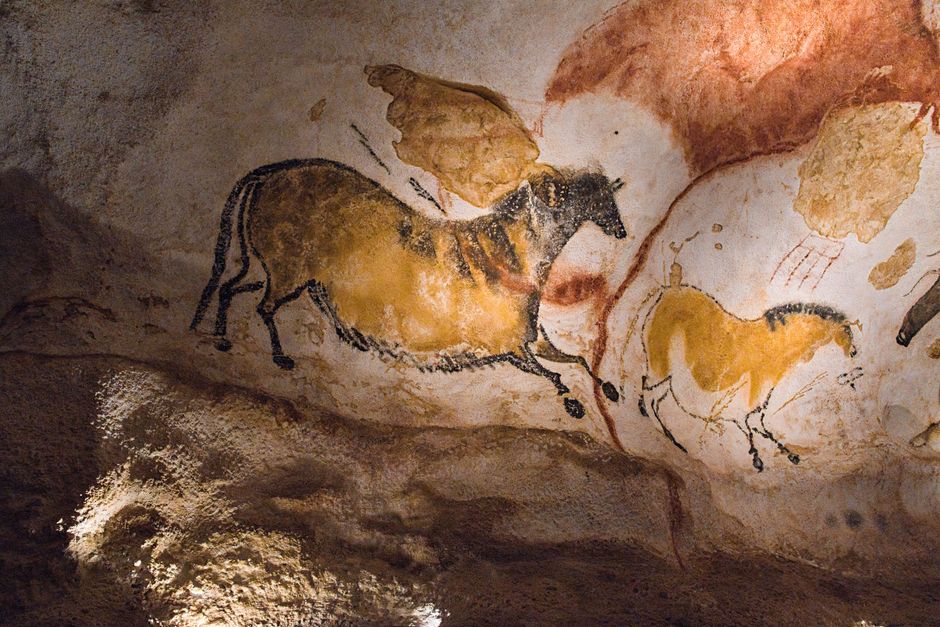
Photo by Reinhard Bruckner on Pexels
Prehistory is the period before written records existed. It covers the vast majority of human existence, from the very first humans (or our ancestors) up until different societies started writing things down. Since there are no written accounts, historians (or rather, archaeologists and anthropologists) rely on other types of evidence to understand this era.
What is History?

Photo by Ann H on Pexels
History begins when societies started keeping written records. This doesn't happen at the same time everywhere. For example, writing appeared in Mesopotamia (modern-day Iraq) around 3500 BCE, but much later in other parts of the world. With written records, we get a much richer and often more detailed understanding of events, beliefs, and daily life.
Types of Evidence

Photo by cottonbro studio on Pexels
The type of evidence available largely defines how we study these periods.
- Prehistoric Evidence:
- Archaeological finds: Tools (stone, bone), pottery, cave paintings, jewelry, ruins of ancient settlements, burial sites, garbage heaps (middens).
- Fossils: Remains of ancient plants, animals, and humans.
- Environmental clues: Pollen, ice cores, tree rings that tell us about climate and environment.
- Historic Evidence:
- Written documents: Laws, letters, diaries, chronicles, government records, religious texts, literature.
- Inscriptions: Writings on monuments, tombs, or artifacts.
- Oral traditions: Stories passed down through generations, though these can also exist in prehistory.
The shift from prehistory to history is a process called protohistory in some regions, where societies have limited written records or are mentioned in the records of other, more advanced civilizations.
graph LR
    A["Begin: Origin of Humans"] --> B["Prehistory (No Written Records)"]
    B --> C["Evidence: Artifacts, Fossils, Archaeology"]
    C --> D{"Major Human Developments (Prehistory)"}
    D -- "Stone Tools" --> E["Paleolithic Era (Old Stone Age)"]
    D -- "Agriculture, Settlements" --> F["Neolithic Era (New Stone Age)"]
    F --> G["Protohistory (Limited/External Records)"]
    G --> H["History (Written Records Exist)"]
    H --> I["Evidence: Documents, Inscriptions, Literature"]
    I --> J["End: Present Day"]
3. Worked Example
Imagine you're trying to understand an ancient culture.
Scenario 1: Prehistoric Culture
You find an archaeological site with stone tools, remains of hearths, and cave paintings depicting animals. There are no written symbols or texts.
* What you learn: The people hunted animals (from paintings), used basic tools (from artifacts), and likely lived in temporary shelters or caves (hearths, cave art). Their technology was stone-based. You can estimate dates through carbon dating of organic materials found with the tools or hearths.
* What you can't learn easily: Their names, specific leaders, their complex social rules, detailed religious beliefs (beyond what pictures might imply), or specific events like battles.
Scenario 2: Historic Culture
You find a city ruin with carved inscriptions on monuments, clay tablets with cuneiform writing, and official seal impressions.
* What you learn: From the inscriptions, you might learn the names of kings, laws, religious prayers, or records of trade. The clay tablets could detail economic transactions, legal disputes, or myths. This gives you direct insight into their governance, economy, and belief systems.
* What you might still need to infer: Everyday personal feelings (unless diaries exist), the exact nuances of social hierarchy, or what the average person thought about their leaders.
This example shows how writing opens up a whole new world of understanding the past.
4. Key Takeaways
- History and prehistory are defined by the presence or absence of written records.
- Prehistory covers the longest span of human existence.
- Archaeologists and anthropologists primarily study prehistory using physical evidence.
- Historians primarily study history using written documents.
- The transition from prehistory to history occurred at different times globally.
- Both periods rely on interpretation of evidence, but the types of evidence differ greatly.
- Understanding this distinction helps you know what kinds of questions can be answered for each period.
Common Mistakes to Avoid:
- Don't assume all human societies entered the historical period at the same time.
- Don't think of prehistory as "less important" just because it lacks writing; it laid the foundation for everything that followed.
- Don't confuse archaeological findings (physical objects) with historical documents (written accounts).
- Don't believe that oral traditions are always inaccurate; they can offer clues but need careful corroboration.
5. Now Try It
Spend 15 minutes researching a specific region of the world (e.g., ancient Egypt, Indigenous Australians, the Inca Empire) and try to determine when its prehistory ended and its history began. What kind of evidence marks this transition for that specific culture? What does this tell you about the development of writing in that part of the world?
Frequently asked about Introduction to History and Prehistory
Study this next
Get the full History curriculum
Clone the complete plan to your dashboard for unlimited AI-generated notes, practice quizzes, and a personalised revision schedule.
Create Free Account