Foundations: Roman Britain, Anglo-Saxons, and the Norman Conquest
From the English History curriculum
Foundations: Roman Britain, Anglo-Saxons, and the Norman Conquest
TL;DR
Early British history is shaped by successive invasions and migrations that established its culture and language. Roman rule introduced infrastructure and Latin influence, but its end left Britain vulnerable. The Anglo-Saxons then forged early English kingdoms, which were dramatically reshaped by the Norman Conquest.
1. The Mental Model
Imagine Britain as a house continually redecorated and rebuilt by new occupants. Each group—Romans, Anglo-Saxons, then Normans—added their own layers, changing the structure, language, and culture forever. This layering explains why modern Britain is so complex.
2. The Core Material
Roman Britain (43 AD - c. 410 AD)

Photo by Tuesday Temptation on Pexels
The Romans, under Emperor Claudius, invaded Britain in 43 AD, seeking resources and glory. They established a province, building cities like Londinium (London), roads, baths, and fortifications like Hadrian's Wall to defend against northern tribes. Roman rule brought stability, writing (Latin), and new technologies, fundamentally changing society. However, Roman culture didn't fully replace native Celtic traditions, especially outside urban areas.
By the early 5th century, the Roman Empire was under pressure elsewhere. Troops were withdrawn from Britain around 410 AD, leaving the province undefended. This withdrawal marked the end of direct Roman rule and plunged Britain into a period often called the "Dark Ages," as much written record disappears.
The Anglo-Saxons (c. 450 AD - 1066 AD)
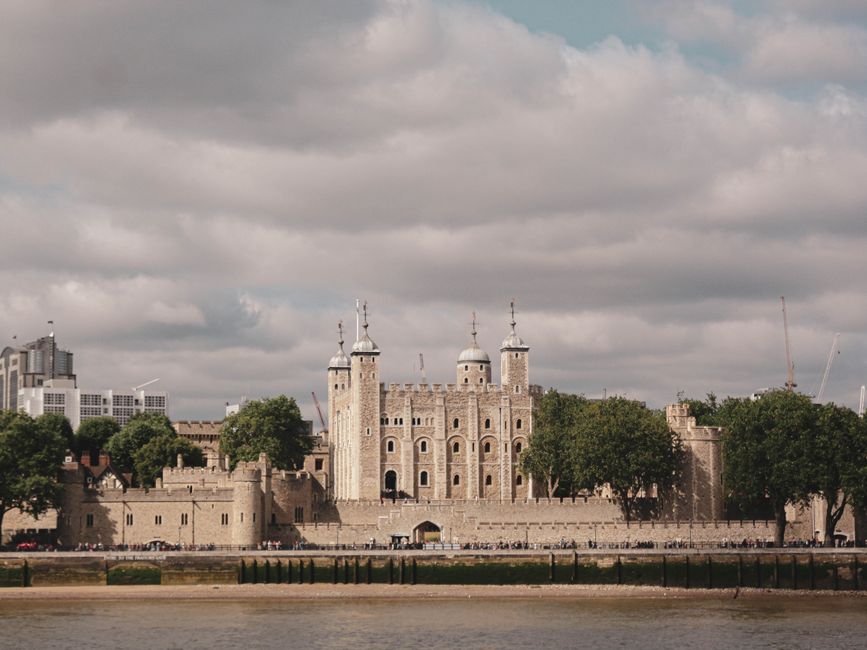
Photo by Caio Cezar on Pexels
Following the Roman departure, Germanic tribes—Angles, Saxons, and Jutes—migrated to and invaded Britain, settling across the island. They pushed the native Britons (ancestors of the Welsh) westward. These Anglo-Saxon groups gradually formed several kingdoms, known as the Heptarchy (seven main kingdoms, though more existed). Key kingdoms included Wessex, Mercia, and Northumbria.
Anglo-Saxon society was agricultural and warrior-based. They established a new language (Old English, the basis of modern English), introduced pagan religions (later converting to Christianity from the late 6th century onwards), and developed sophisticated art and literature, like the epic poem Beowulf. Viking raids began in the late 8th century, challenging Anglo-Saxon dominance, but leaders like Alfred the Great of Wessex successfully resisted and consolidated power. By the 10th century, a unified Kingdom of England began to emerge.
The Norman Conquest (1066 AD)
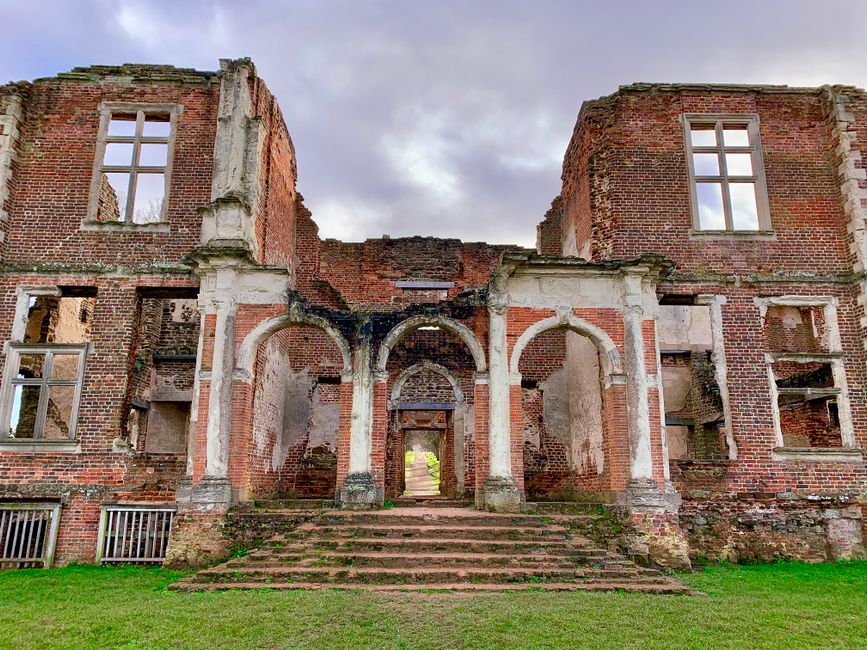
Photo by Mike Bird on Pexels
The year 1066 is one of the most pivotal dates in English history. Following the death of Edward the Confessor, three contenders vied for the English throne: Harald Hardrada (King of Norway), Harold Godwinson (a powerful English earl), and William, Duke of Normandy.
Harold Godwinson was crowned King but immediately faced invasions. He defeated Harald Hardrada at the Battle of Stamford Bridge, but then had to march rapidly south to face William's invasion. William landed in Sussex and on October 14, 1066, he decisively defeated and killed Harold Godwinson at the Battle of Hastings. This victory led to William being crowned King of England on Christmas Day, 1066, becoming William I, "the Conqueror."
The Norman Conquest fundamentally reshaped England. It replaced the Anglo-Saxon aristocracy with Norman lords, introduced feudalism (a system of landholding in return for service), and brought French influence into English law, government, and language. Old English evolved, incorporating many French words, laying the groundwork for Middle English.
graph LR
    A["Roman Invasion (43 AD)"] --> B["Roman Britain (43-410 AD)"];
    B --> C["Roman Withdrawal (c. 410 AD)"];
    C --> D["Anglo-Saxon Migrations/Invasions (c. 450 AD)"];
    D --> E["Anglo-Saxon Kingdoms (Heptarchy)"];
    E --> F["Viking Invasions/Settlement"];
    F --> G["Emergence of Unified England"];
    G --> H["Death of Edward the Confessor (1066)"];
    H --> I["Contenders for Throne: Harold Godwinson, William of Normandy, Harald Hardrada"];
    I --> J["Battle of Stamford Bridge (Harold defeats Harald)"];
    I --> K["William invades England"];
    J --> L["Battle of Hastings (William defeats Harold)"];
    K --> L;
    L --> M["William I 'The Conqueror' crowned (1066)"];
    M --> N["Norman Conquest: Feudalism, French influence, New Aristocracy"];
3. Worked Example
Let's trace the linguistic impact. Before the Romans, Britons spoke Celtic languages. During Roman rule, Latin was used by administrators and in cities, but Celtic languages persisted. After the Romans left, Anglo-Saxons brought Old English. For example, the word for "king" in Old English was cyning. After the Norman Conquest, the Norman French word roi was used in official circles, but king persisted. Eventually, Middle English absorbed elements, so you'd see words like royal (from French) alongside king (from Old English), both describing aspects of monarchy. The layering of these languages created the rich vocabulary of modern English.
4. Key Takeaways
- Roman rule brought advanced infrastructure and Latin influence to Britain but was ultimately temporary.
- The Roman withdrawal created a power vacuum, allowing Germanic Anglo-Saxon tribes to settle and form kingdoms.
- Anglo-Saxon society laid the foundations for the English language and many local place names.
- The Norman Conquest of 1066 was a decisive event, fundamentally changing England's political, social, and linguistic landscape.
- Feudalism and a Norman French-speaking aristocracy were introduced, profoundly impacting governance and culture.
- Each major period added distinct layers to Britain's language, law, and social structure.
- These foundational periods are crucial for understanding later developments in English history.
Common Mistakes to Avoid

Photo by KATRIN BOLOVTSOVA on Pexels
- Don't confuse the Romans with the Normans; they arrived over 1000 years apart with very different impacts.
- Avoid thinking of "Anglo-Saxon" as a single unified group; they were multiple distinct tribes and kingdoms.
- Don't assume Roman culture completely eradicated native British culture; it was an overlay.
- Don't underestimate the profound and lasting impact of the Norman Conquest; it wasn't just a change of king.
5. Now Try It
Imagine you're a historian presenting to a local community group. Spend 15 minutes outlining how modern English contains words from all three periods (Celtic, Latin, Old English, and Norman French). Give specific examples of words (e.g., "whiskey" from Celtic, "street" from Latin, "house" from Old English, "justice" from Norman French) and briefly explain which wave of influence brought them. Success means you can clearly link at least two words to each influence (except Celtic, which has fewer direct words) and explain why that influence occurred.
Frequently asked about Foundations: Roman Britain, Anglo-Saxons, and the Norman Conquest
Study this next
Get the full English History curriculum
Clone the complete plan to your dashboard for unlimited AI-generated notes, practice quizzes, and a personalised revision schedule.
Create Free Account