Spanish Colonial Period: Conquest, Evangelization, and Resistance
From the Reading and in the philippines history curriculum
TL;DR
The Spanish colonial period in the Philippines began with conquest, driven by a desire for resources and to spread Catholicism. This era saw widespread evangelization, as missionaries converted Filipinos, and also significant resistance from various indigenous groups. The period dramatically reshaped Philippine society, culture, and governance.
1. The Mental Model
Think of the Spanish colonial period as a three-part story: the initial conquest by force, followed by the deep evangelization to transform beliefs, and finally, the constant resistance from Filipinos who fought back against foreign rule.
2. The Core Material
The Spanish colonial period in the Philippines officially began in 1565 with Miguel López de Legazpi's arrival, although Ferdinand Magellan first made contact in 1521. This era, lasting over 300 years, was characterized by the interplay of military force, religious conversion, and local opposition.
Conquest: Establishing Spanish Rule
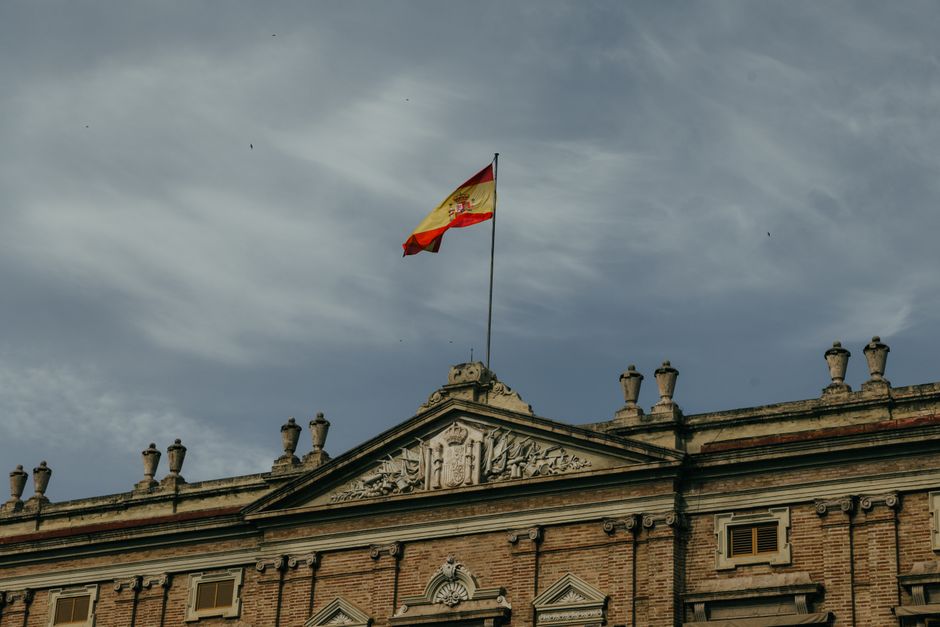
Photo by Ludovic Delot on Pexels
The Spanish conquest wasn't a single event but a gradual process. Initially, Legazpi established the first permanent Spanish settlement in Cebu. The Spanish then expanded their control, often using a combination of military superiority (firearms, armor) and strategic alliances with local datus (chiefs). Manila, a thriving Muslim port city, became the capital in 1571 after its conquest. The Spanish organized the islands into a centralized colonial government, establishing encomiendas (land grants with rights to collect tribute) and forcing the resettlement of dispersed communities into pueblos (towns) under the reducción policy, centered around a church and plaza.
Evangelization: Spreading Christianity

Photo by Christina & Peter on Pexels
A primary motivation for Spanish colonization was the spread of Catholicism. This mission was carried out primarily by friars from various religious orders (Augustinians, Franciscans, Dominicans, Jesuits). They built churches, established schools, and learned local languages to preach and translate religious texts. Filipinos were encouraged, and often compelled, to abandon their animistic beliefs and convert to Christianity. This process was largely successful, making the Philippines the only predominantly Christian nation in Asia. However, the friars also gained immense power, often becoming the de facto rulers in many towns, leading to abuses and resentment.
Resistance: Fighting Back

Photo by Chris F on Pexels
Despite the Spanish dominance, Filipinos did not passively accept colonial rule. Resistance took many forms and occurred throughout the archipelago and the entire colonial period.
- Early Revolts: Many early revolts were localized and driven by resistance to forced labor, tribute collection, or religious conversion. Examples include the Conspiracy of the Maharlikas (1587-1588) led by Agustin de Legazpi and Magat Salamat, and the Dagohoy Rebellion in Bohol (1744-1829), the longest revolt in Philippine history.
- Cultural Resistance: Some resistance was cultural, maintaining traditional practices in secret or blending them with Christian rituals.
- Muslim Resistance: The Muslim sultanates in Mindanao and Sulu fiercely resisted Spanish attempts at conquest and evangelization for centuries. The Spanish-Moro Wars were a continuous series of conflicts, with the Moros (as the Spanish called them) successfully defending their independence and Islamic faith.
- Cordillera Resistance: The indigenous groups of the Cordillera mountains (Igorot, Ifugao, Kalinga, etc.) also largely resisted Spanish control and Christianization, maintaining their traditional cultures and social structures.
- Economic Revolts: Later revolts were often fueled by economic grievances, such as the Polo y Servicio (forced labor) and unjust taxation.
- Nationalist Resistance: Towards the end of the 19th century, resistance evolved into a nationalist movement, exemplified by the propaganda movement and ultimately the Philippine Revolution.
Here's a visual of how these three elements interconnected:
graph TD
    A["Spanish Arrival (1521/1565)"] --> B["Military Conquest & Centralization"]
    B --> C["Establishment of Colonial Government (e.g., Manila)"]
    C --> D{"Spanish Goals: Gold, Glory, God"}
    D --> E["Evangelization (Religious Orders, Churches)"]
    D --> F["Economic Exploitation (Encomienda, Tribute, Polo)"]
    E --> G["Cultural Transformation (Christianization, Reducción)"]
    F --> H["Filipino Grievances & Resistance"]
    G --> H
    H --> I["Localized Revolts & Regional Conflicts"]
    I --> J["Long-term Impacts: Cultural Blend, Enduring Faith, Nationalism"]
    H --> J
3. Worked Example
Imagine you're a Spanish friar in the late 16th century, tasked with converting a community in Luzon. You'd likely start by building a church (often using forced local labor) and a convent. You'd learn some of the local language to preach and teach catechism, perhaps using images of saints to help explain Catholic concepts. You'd encourage families to send their children to learn Christian doctrine. For those who resist, you might use the influence of the local encomendero or military to persuade them. You'd likely face challenges: people secretly practicing old rituals, or outright fleeing to the mountains to avoid conversion and tribute. The successful conversion wouldn't just be about new beliefs, but also adopting new names, living in a reducción town, and paying tribute to the Spanish crown and church.
4. Key Takeaways
- The Spanish conquest wasn't instant but a drawn-out process of establishing military and administrative control.
- Evangelization was a core component of Spanish colonization, profoundly shaping Filipino religious identity.
- Friars held significant power, often acting as both religious and political authorities in towns.
- Filipinos consistently resisted Spanish rule, ranging from small local revolts to large-scale, long-lasting conflicts.
- Resistance was diverse, with different groups (e.g., Muslims, Cordillera peoples) employing varied strategies to maintain their autonomy.
- The reducción policy fundamentally altered indigenous settlement patterns and social structures.
- The Spanish colonial period laid the foundation for many aspects of modern Philippine culture, politics, and religion.
Common Mistakes to Avoid

Photo by Thomas Elliott on Pexels
- Don't assume all Filipinos uniformly accepted Spanish rule or conversion without struggle.
- Avoid oversimplifying "resistance" as a single, unified movement; it was fragmented and varied.
- Don't underestimate the role and power of the Catholic Church and its clergy during this period.
- Don't forget that different regions experienced Spanish colonization and resistance in unique ways (e.g., Mindanao vs. Luzon).
5. Now Try It
Spend 15 minutes researching one specific Filipino revolt during the Spanish colonial period (e.g., Dagohoy, Tamblot, Maniago, Palaris, or the Moro Wars). Identify:
1. Who led it?
2. What were the main reasons for the revolt?
3. What was its outcome?
4. How does it illustrate aspects of conquest, evangelization, or resistance discussed above?
Success looks like being able to explain the specific revolt and connect its causes and outcomes to the broader themes of the Spanish colonial period.
Try it yourself: Series and parallel circuits in 3D
Frequently asked about Spanish Colonial Period: Conquest, Evangelization, and Resistance
Study this next
Get the full Reading and in the philippines history curriculum
Clone the complete plan to your dashboard for unlimited AI-generated notes, practice quizzes, and a personalised revision schedule.
Save this course free