Atmospheric Pressure Fundamentals
From the pressure,wind,storms, and cyclones curriculum
Atmospheric Pressure Fundamentals
TL;DR
Atmospheric pressure is the weight of the air above a point, and it's a fundamental force driving weather patterns. Differences in this pressure create winds, trying to equalize the air's weight. Understanding these pressure changes helps explain how storms and other weather phenomena develop.
1. The Mental Model
Imagine a giant, invisible ocean of air all around you, constantly pushing down. Atmospheric pressure is simply the "weight" of that air pressing on every surface. Changes in this weight create imbalances, much like water flowing downhill, which then generates wind.
2. The Core Material
Atmospheric pressure is essentially the force exerted by the column of air directly above a given area. It's measured in units like hectopascals (hPa), millibars (mb), or inches of mercury (inHg).
Think of air as having mass, just like anything else. The Earth's gravity pulls this air downwards. Since the atmosphere extends many miles up, the air at the bottom (where you are) has the entire column of air above it pressing down.
What Affects Atmospheric Pressure?
a. Altitude
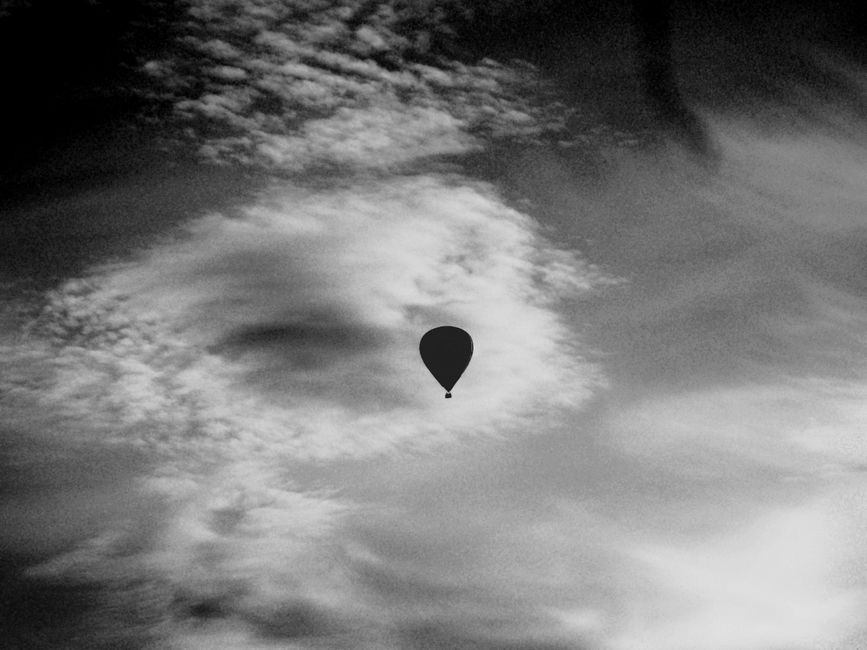
Photo by Monia Sciubilecka on Pexels
The higher you go, the less air is above you. This means that atmospheric pressure decreases with increasing altitude. That's why your ears might pop on an airplane or when driving up a mountain – the air pressure inside your ear is suddenly higher than the air pressure outside.
b. Temperature

Photo by Ronaldo Guiraldelli on Pexels
Warm air is generally less dense than cold air. When air warms up, its molecules move faster and spread out, making it lighter. This lighter, less dense air exerts less pressure on the surface below it. Conversely, cold air is denser and heavier, leading to higher pressure.
c. Moisture (Humidity)

Photo by Diana ✨ on Pexels
This one's a bit counter-intuitive! Water vapor (H₂O) is actually lighter than dry air (which is mostly Nitrogen (N₂) and Oxygen (O₂)). So, air with a lot of moisture in it is technically lighter and exerts lower pressure than dry air at the same temperature.
d. Air Movement
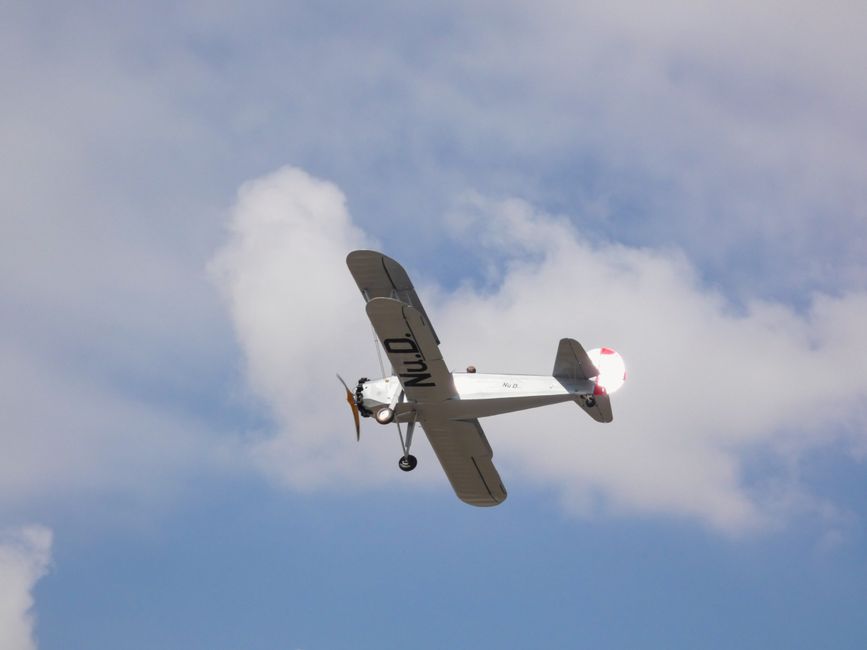
Photo by Muharrem Alper on Pexels
Air doesn't just sit still. When air rises (convection), it creates an area of lower pressure at the surface because air is moving away from that spot. When air sinks, it piles up, creating an area of higher pressure.
Here's how these factors combine:
graph TD
    A["Temperature Change"] --> B{"Air Density Change"};
    B --> C["Atmospheric Pressure Change"];
    A --> D{"Altitude Change"};
    D --> C;
    E["Moisture Content"] --> B;
    F["Air Movement (Rising/Sinking)"] --> C;

    C --> G["Wind Formation"];
    C --> H["Weather Patterns"];

    subgraph Causes of Pressure Change
        A
        E
        D
        F
    end

    subgraph Effects of Pressure Change
        G
        H
    end
High vs. Low Pressure Systems
- High-Pressure System: Characterized by descending, dense, cool, and dry air. This often leads to clear skies, calm winds, and stable weather. Think of it as air "piling up" and pushing down.
- Low-Pressure System: Characterized by rising, less dense, warm, and moist air. As this air rises and cools, moisture condenses, often leading to clouds, precipitation, and stormy weather. Think of it as air "lifting off" the surface.
The greater the difference in pressure between two areas, the stronger the force pushing air from high to low pressure, resulting in stronger winds.
3. Worked Example
Let's say you have two hypothetical cities, City A and City B, at the same altitude.
- City A: The air temperature is 25°C (warm), and the humidity is 80% (moist).
- City B: The air temperature is 5°C (cold), and the humidity is 30% (dry).
Which city would likely have lower atmospheric pressure?
Based on our understanding:
1. Temperature: City A (warmer) has less dense air than City B (colder), contributing to lower pressure.
2. Moisture: City A (more moist) has lighter air than City B (drier), also contributing to lower pressure.
Combining these, City A will experience significantly lower atmospheric pressure compared to City B. This pressure difference would likely cause wind to blow from City B (high pressure) towards City A (low pressure). City A would also have a higher chance of developing clouds and precipitation due to the rising, moist air associated with low pressure.
4. Key Takeaways
- Atmospheric pressure is the weight of the air column above a specific point.
- Pressure decreases with increasing altitude because there's less air above you.
- Warmer, moist air is generally less dense and creates lower pressure.
- Colder, dry air is generally denser and creates higher pressure.
- Air naturally flows from areas of high pressure to areas of low pressure, causing wind.
- High-pressure systems bring clear, stable weather; low-pressure systems bring stormy, unstable weather.
Common Mistakes to Avoid:
- Don't confuse temperature with pressure directly; remember density is the key intermediate.
- Don't assume humid air is heavier; water vapor is lighter than dry air components.
- Forgetting that altitude is a primary factor in overall pressure values.
- Thinking that low pressure means no wind; low pressure differences cause strong winds.
5. Now Try It
Imagine you're checking a weather map and see a large "L" (for low pressure) over your region. For 15 minutes, list out at least five specific weather conditions you would expect to experience, and briefly explain why each condition is associated with low pressure, using concepts like air density, movement, and moisture.
What success looks like: Your list includes conditions like clouds, rain, stronger winds, and warmer temperatures, with clear, concise explanations linking them back to the principles of low-pressure systems.
Frequently asked about Atmospheric Pressure Fundamentals
Get the full pressure,wind,storms, and cyclones curriculum
Clone the complete plan to your dashboard for unlimited AI-generated notes, practice quizzes, and a personalised revision schedule.
Create Free Account