Biological Molecules and Enzymes
From the Edexcel Biology curriculum
Biological Molecules and Enzymes
TL;DR
Biological molecules are essential chemicals in living things, including carbohydrates, lipids, proteins, and nucleic acids, each with specific roles. Enzymes are biological catalysts, which are usually proteins, that speed up chemical reactions without being used up. Their specific 3D active site shape is crucial for binding substrates and function.
1. The Mental Model
Think of biological molecules as the building blocks and fuel of life, and enzymes as the tiny, highly specialized tools that make all the necessary construction and energy processes happen super fast. Without these tools, life's reactions would be too slow to sustain it.
2. The Core Material
2.1 Carbohydrates: Energy & Structure

Photo by Mateusz Feliksik on Pexels
Carbohydrates are organic molecules made of carbon, hydrogen, and oxygen. Their general formula is (CH₂O)n.
- Monosaccharides: Simple sugars like glucose, fructose, and galactose. They're the basic units. Glucose is vital for respiration.
- Disaccharides: Two monosaccharides joined, e.g., maltose (glucose + glucose), sucrose (glucose + fructose), lactose (glucose + galactose).
- Polysaccharides: Many monosaccharides joined.
- Starch: Energy storage in plants. Made of amylose (unbranched) and amylopectin (branched) chains of glucose.
- Glycogen: Energy storage in animals (liver, muscles). Highly branched glucose chains, allowing for quick energy release.
- Cellulose: Structural component in plant cell walls. Long, unbranched chains of glucose, arranged in microfibrils for strength. Humans can't digest it.
2.2 Lipids: Long-term Energy, Insulation & Membranes
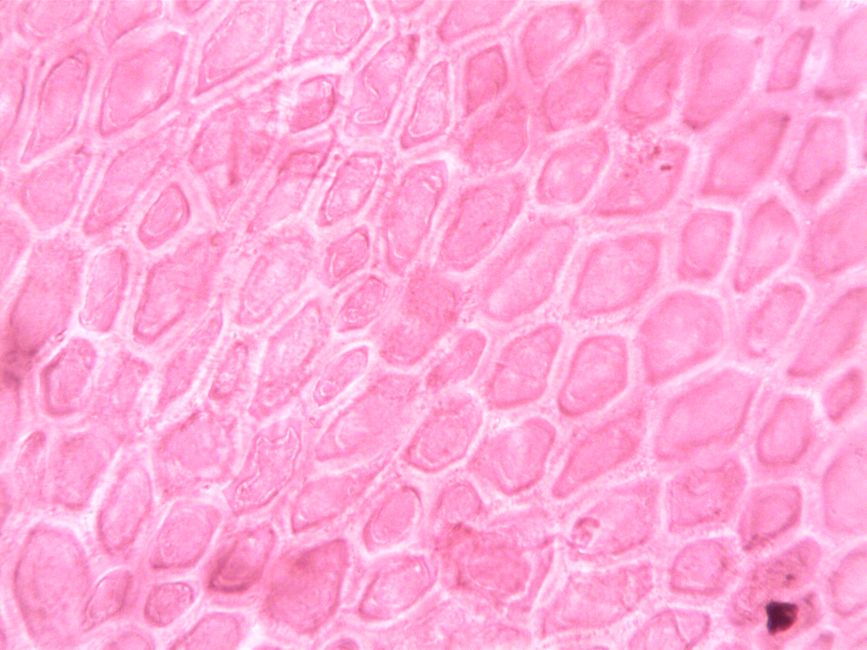
Photo by turek on Pexels
Lipids are diverse, insoluble in water, but soluble in organic solvents. They include fats, oils, and phospholipids.
- Triglycerides: Made of one glycerol molecule and three fatty acids. Fatty acids can be saturated (no C=C double bonds, solid at room temp) or unsaturated (one or more C=C double bonds, liquid at room temp). Excellent for long-term energy storage, insulation, and protection.
- Phospholipids: Similar to triglycerides but one fatty acid is replaced by a phosphate group. This makes them have a hydrophilic (water-loving) head and hydrophobic (water-hating) tails, forming the basic structure of cell membranes.
2.3 Proteins: The Versatile Workhorses

Photo by Saúl Sigüenza on Pexels
Proteins are polymers of amino acids linked by peptide bonds. There are 20 common amino acids, each with a central carbon, an amino group (-NH₂), a carboxyl group (-COOH), and a variable 'R' group.
- Primary structure: The specific sequence of amino acids in a polypeptide chain.
- Secondary structure: Folding of the polypeptide into alpha-helices or beta-pleated sheets, held by hydrogen bonds.
- Tertiary structure: Further 3D folding of the secondary structures, stabilized by various bonds (hydrogen, ionic, disulfide bridges, hydrophobic interactions). This gives the protein its specific overall shape, which is crucial for its function.
- Quaternary structure: When two or more polypeptide chains (each with its own tertiary structure) come together, e.g., haemoglobin.
Proteins have diverse functions: enzymes, hormones, antibodies, structural components (collagen, keratin), transport (haemoglobin), muscle contraction (actin, myosin).
2.4 Nucleic Acids: Genetic Information

Photo by Nicola Narracci on Pexels
DNA (deoxyribonucleic acid) and RNA (ribonucleic acid) carry genetic information. They are polymers of nucleotides.
A nucleotide consists of: a pentose sugar (deoxyribose in DNA, ribose in RNA), a phosphate group, and a nitrogenous base (Adenine, Guanine, Cytosine, Thymine in DNA; Uracil replaces Thymine in RNA).
2.5 Enzymes: Biological Catalysts
Enzymes are mostly globular proteins that speed up the rate of biochemical reactions by lowering the activation energy without being used up.
- Active Site: A specific 3D region on the enzyme that has a complementary shape to the substrate molecule.
- Specificity: Enzymes are highly specific; usually, one enzyme catalyses one specific reaction.
-
Mechanism:
- Substrate binds to the enzyme's active site, forming an enzyme-substrate complex.
- The enzyme lowers the activation energy, facilitating the reaction.
- Products are released from the active site.
- The enzyme is unchanged and can be reused.
-
Factors Affecting Enzyme Activity:
- Temperature: Increases activity up to an optimum, then rapidly decreases as the enzyme denatures (active site permanently changes shape).
- pH: Each enzyme has an optimum pH. Deviations cause denaturation.
- Substrate Concentration: Increasing substrate increases reaction rate until all active sites are saturated.
- Enzyme Concentration: Increasing enzyme increases reaction rate, assuming enough substrate is available.
- Inhibitors: Molecules that reduce enzyme activity (competitive and non-competitive).
Here's how enzyme action generally works:
graph TD
    A["Enzyme + Substrate"] --> B["Enzyme-Substrate Complex"]
    B --> C["Enzyme-Product Complex"]
    C --> D["Enzyme + Products"]
    style A fill:#f9f,stroke:#333,stroke-width:2px
    style B fill:#bbf,stroke:#333,stroke-width:2px
    style C fill:#bfb,stroke:#333,stroke-width:2px
    style D fill:#f9f,stroke:#333,stroke-width:2px
3. Worked Example
Let's consider the digestion of starch by amylase. Starch is a polysaccharide made of many glucose units. Amylase is an enzyme found in saliva and the pancreas.
- Reactants: Starch (substrate) and Amylase (enzyme).
- Binding: The starch molecule enters and binds to the active site of the amylase enzyme. The active site's shape is complementary to specific bonds in the starch molecule.
- Reaction: Amylase facilitates the hydrolysis (breaking down with water) of the glycosidic bonds within the starch molecule. This requires less energy than if no enzyme were present.
- Products: Smaller sugar molecules, like maltose (a disaccharide), are formed.
- Release: The maltose molecules are released from the amylase's active site.
- Re-use: The amylase enzyme is now free to bind to another starch molecule and repeat the process, continuing to break down starch into smaller sugars.
If you were to heat this system too much, say above 60°C, the amylase would denature. Its active site would change shape permanently, meaning starch could no longer bind, and the digestion reaction would stop.
4. Key Takeaways
- Carbohydrates provide energy and structural support, from quick glucose to strong cellulose.
- Lipids are crucial for long-term energy storage, insulation, and forming cell membranes.
- Proteins, built from amino acids, have incredibly diverse roles determined by their specific 3D structure.
- Nucleic acids (DNA, RNA) store and transmit genetic information essential for life.
- Enzymes are protein catalysts that speed up reactions by lowering activation energy through their specific active sites.
- Temperature and pH critically affect enzyme activity; extremes cause irreversible denaturation.
- Enzyme-substrate specificity is key: enzymes only act on particular molecules.
Common Mistakes to Avoid:
- Don't confuse "saturated" with "unsaturated" fats – remember double bonds make them unsaturated.
- Don't think enzymes are "used up" in a reaction; they are catalysts and reusable.
- Don't forget that denaturation is usually irreversible, unlike temporary inhibition.
- Don't mix up the functions of different biological molecules; each has specific jobs.
5. Now Try It
Imagine you're designing a new sports drink. Based on what you've learned, suggest two types of carbohydrates you'd include and explain why each is beneficial for an athlete during a long, intense workout. Also, consider the ideal pH for digestive enzymes in the stomach (like pepsin, which works best at pH 2) and how this relates to enzyme activity if the drink were too alkaline. What success looks like: you'll justify your carbohydrate choices with their specific energy release properties and correctly explain the impact of pH on enzyme function.
Frequently asked about Biological Molecules and Enzymes
More from Edexcel Biology
Get the full Edexcel Biology curriculum
Clone the complete plan to your dashboard for unlimited AI-generated notes, practice quizzes, and a personalised revision schedule.
Create Free Account