The Engine of Discontent: Education, Corruption, and Justice
From the El Filibusterismo curriculum
The Engine of Discontent: Education, Corruption, and Justice
TL;DR
In El Filibusterismo, Rizal shows how the lack of proper education, rampant corruption, and a broken justice system fueled the Filipino people's growing discontent. These societal flaws weren't just background elements; they actively pushed characters towards radical actions or despair. Understanding their interconnectedness is key to grasping the novel's revolutionary message.
1. The Mental Model
Think of it like a pressure cooker: education is the steam valve, corruption is the clogged pipe, and justice is the faulty gauge. When all three fail, the pressure builds inevitably towards an explosion.
2. The Core Material
El Filibusterismo isn't just a story; it's a social commentary on the Philippines under Spanish rule. Rizal meticulously details how specific societal ills contribute to widespread dissatisfaction, eventually making revolution seem like the only viable option.
The Stifled Promise of Education

Photo by cottonbro studio on Pexels
Rizal, an advocate for enlightenment, criticizes the colonial government and friars for controlling and limiting education. You see this vividly with the student's struggle for the Academia de Castellano. The friars feared educated Filipinos would question their authority, preferring ignorance to intellectual awakening. This isn't just about learning Spanish; it's about access to knowledge, critical thinking, and a pathway to a better life. Without it, opportunities are denied, and aspirations are crushed, leading to resentment.
The Rot of Corruption

Photo by PSRVSKY PI on Pexels
Corruption permeates every level of society in the novel, from the highest officials to the local cabeza de barangay. This isn't just bribery; it's the abuse of power for personal gain, leading to injustice and oppression. Officials extort money, seize land, and manipulate laws for their benefit. This widespread dishonesty erodes trust in institutions and makes life unbearable for ordinary people. It creates a system where hard work is unrewarded and connections matter more than merit.
The Mockery of Justice
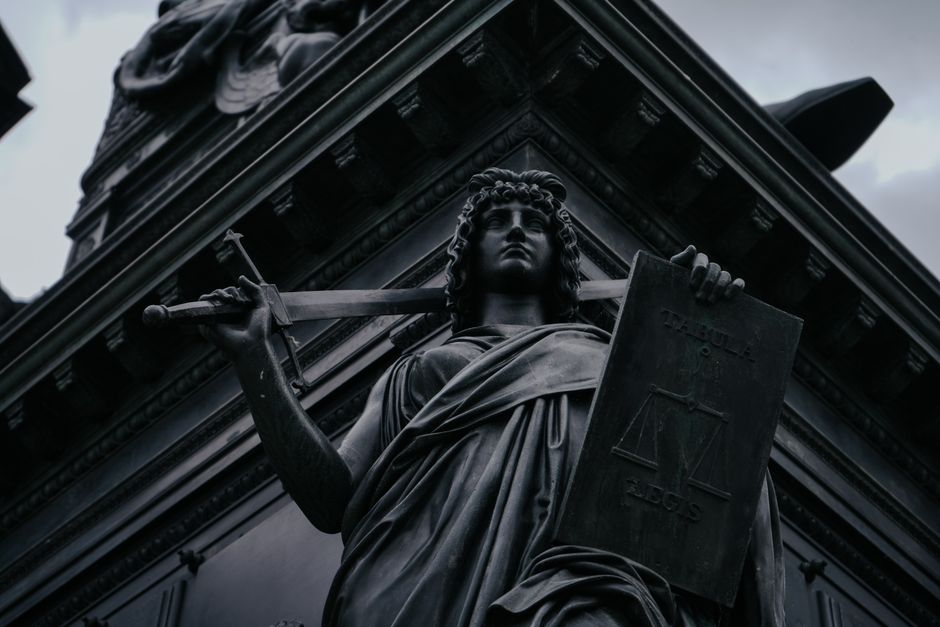
Photo by Nika Poznyak on Pexels
Perhaps the most infuriating aspect is the perversion of the justice system. Courts are biased, laws are selectively enforced, and the powerful can easily escape punishment while the innocent suffer. Basilio and Juli's story is a prime example of how justice is denied to the poor and powerless. The system itself becomes an instrument of oppression, leaving victims with no recourse and fostering a profound sense of helplessness and anger. This breakdown of justice pushes characters like Simoun and Cabesang Tales to seek their own violent forms of retribution.
These three elements don't act in isolation. They form a vicious cycle, intensifying each other and accelerating the build-up of revolutionary fervor.
graph TD
    A["Limited & Controlled Education (Friar Influence)"] --> B["Ignorance & Lack of Critical Thinking"]
    B --> C["Vulnerability to Exploitation"]
    C --> D["Widespread Corruption (Officials, Friars)"]
    D --> E["Injustice & Abuse of Power"]
    E --> F["Broken Justice System (Biased Courts, Impunity)"]
    F --> G["Oppression & Helplessness of the People"]
    G --> H["Growing Discontent & Calls for Reform/Rebellion"]
    H --> A; %% Cycle back, as lack of education prevents effective reform
3. Worked Example
Consider Cabesang Tales. He works hard, clears land, and makes it productive. This should lead to prosperity. However, the friars demand escalating taxes on "their" land, essentially stealing his earnings. When he resists, the corrupt legal system (through biased courts and officials) sides with the friars, dispossessing him. His daughter, Juli, sacrifices herself to work off a debt, trying to free Basilio, who is wrongly imprisoned. The lack of education for people like Tales prevents them from understanding legal nuances or effectively fighting the system. The sheer injustice, compounded by corrupt officials and a broken judiciary, transforms a peaceful farmer into a vengeful filibustero, highlighting how these forces can radicalize an ordinary person.
4. Key Takeaways
- Education was actively suppressed to maintain control and prevent Filipinos from questioning authority.
- Corruption wasn't just about money; it was a systemic abuse of power that distorted governance.
- The justice system was a tool of oppression, rarely delivering true justice to the marginalized.
- These three elements fueled each other, creating a climate of profound frustration and despair.
- Rizal used individual character arcs (like Tales or Basilio) to illustrate the devastating impact of these issues.
Common Mistakes to Avoid:
- Don't see these issues as isolated problems; recognize their interconnectedness.
- Don't assume the colonial government was simply "bad"; understand how its policies created this discontent.
- Don't overlook the role of the friars in perpetuating these problems, especially in education and land disputes.
- Don't simplify the "cause" of revolution to just one factor; it was a complex interplay.
5. Now Try It
Choose a character from El Filibusterismo (e.g., Basilio, Isagani, Simoun, Juli, or Placido Penitente). For your chosen character, write a short paragraph (5-7 sentences) explaining how at least two of the core issues (education, corruption, justice) directly impacted their life and contributed to their eventual actions or fate in the novel.
What success looks like: You'll clearly link specific events or circumstances in the character's story to the themes of education, corruption, or justice, showing how these societal problems shaped their journey.
Frequently asked about The Engine of Discontent: Education, Corruption, and Justice
More from El Filibusterismo
Get the full El Filibusterismo curriculum
Clone the complete plan to your dashboard for unlimited AI-generated notes, practice quizzes, and a personalised revision schedule.
Create Free Account