The Weight of History and Local Grievances
From the El Filibusterismo curriculum
The Weight of History and Local Grievances
TL;DR
El Filibusterismo shows how past injustices and personal hurts fuel the desire for revolution. You'll see characters driven by a mix of historical oppression and their own recent suffering. This blend of large-scale history and individual pain creates a powerful, often destructive, force in the novel.
1. The Mental Model
Think of history as a deep river, and local grievances as rocks and debris that fall into it. Each new injustice, big or small, adds to the flow and force of this river, shaping how characters act and react in El Filibusterismo. It's not just about what happened, but how it feels to those who lived through it.
2. The Core Material
In El Filibusterismo, Rizal masterfully demonstrates how the accumulated burdens of the past, coupled with fresh, personal injustices, push people to their breaking point. It's a complex interplay where historical oppression by colonial powers meets the specific pains suffered by individuals and families.
Historical Oppression
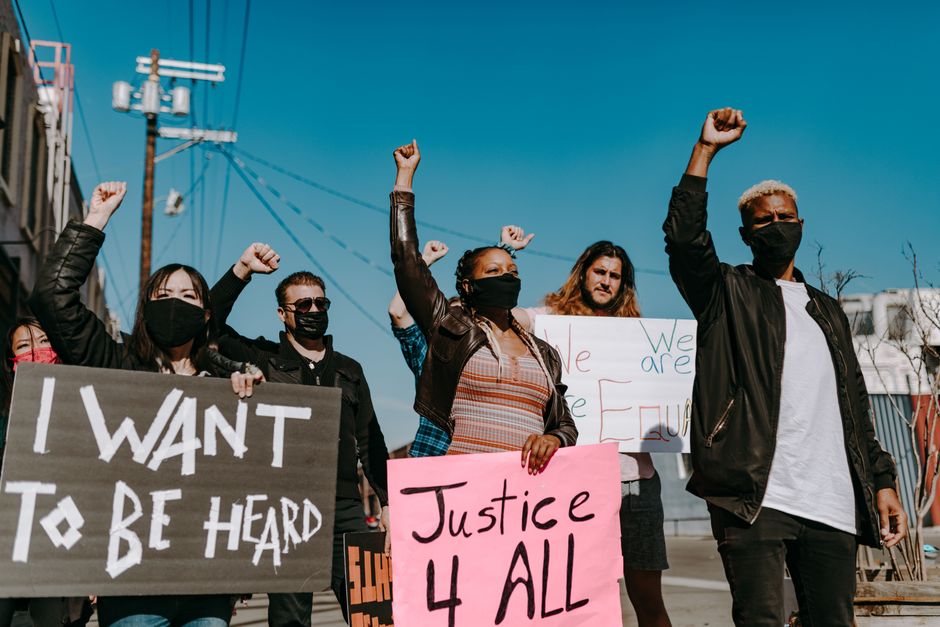
Photo by RDNE Stock project on Pexels
The novel constantly reminds you of centuries of Spanish rule, which systematically stripped Filipinos of land, dignity, and freedom. This isn't just background noise; it's the very foundation upon which characters like Simoun build their radical ideology. They see the entire system as rotten, a direct result of this long history.
Local Grievances
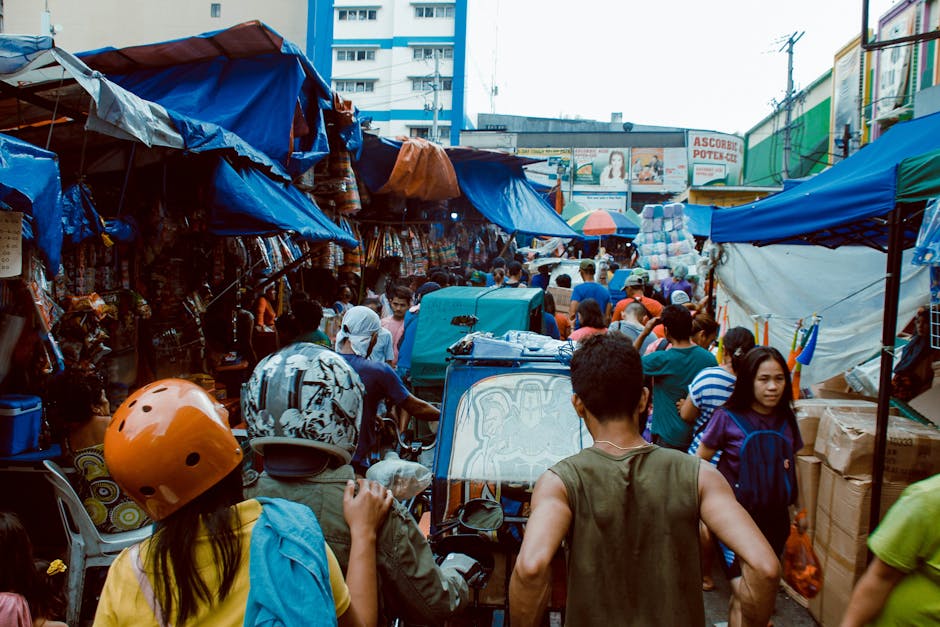
Photo by NIC LAW on Pexels
Beyond the grand historical narrative, you'll encounter characters whose lives are shattered by specific, recent acts of injustice. These aren't abstract concepts; they are concrete experiences that directly impact their families, livelihoods, and sense of self.
Here's how these two forces often combine:
graph TD
    A["Long History of Colonial Oppression"] --> B["Systemic Injustice & Inequality"];
    B --> C1["Loss of Land (Cabesang Tales)"];
    B --> C2["Abuse of Power (Basilio, Juli)"];
    B --> C3["Suppression of Education/Language (Students)"];
    C1 --> D["Personal Grievance: Cabesang Tales's Fury"];
    C2 --> D;
    C3 --> D;
    D --> E["Desire for Radical Change/Revenge"];
    E --> F["Support for Simoun's Plans"];
    F --> G["Failed Revolts & Tragedies"];
Notice how the widespread historical issues (like systemic injustice) create the environment for specific personal tragedies. Cabesang Tales losing his land isn't just about his farm; it's a symptom of a larger problem that has plagued generations. Basilio's suffering is tied to his family's past, and Juli's plight reflects the vulnerability of the poor under the friars. These personal stories make the abstract historical grievances incredibly real and emotionally charged.
The Cycle of Grievance

Photo by Mario W. on Pexels
What's critical to understand is that these grievances often feed into a cycle. Historical wrongs lead to individual suffering, which in turn fuels the desire for revenge or radical change, sometimes leading to more suffering and reinforcing the original grievances. Simoun tries to exploit this cycle, believing that enough pain will inevitably lead to an uprising.
3. Worked Example
Consider Cabesang Tales. His family clears land, works it, and makes it fertile, only for a friar corporation to claim it, demanding higher and higher rents until he can no longer pay. This isn't just one man's bad luck; it's a direct consequence of a colonial system that allowed religious orders immense power and land ownership, often at the expense of native Filipinos. His personal grievance—losing his land and seeing his family suffer—is a direct, painful manifestation of centuries of historical injustice. His transformation from a peaceful farmer to a vengeful bandit (Matanglawin) perfectly illustrates how the weight of history, made tangible through personal loss, can drive a character to extreme measures.
4. Key Takeaways
- Historical oppression forms the bedrock of many characters' motivations in El Filibusterismo.
- Personal grievances are often direct consequences of these larger historical injustices.
- Rizal shows how these combined forces can push individuals towards desperation, violence, or revolution.
- The novel suggests that ignoring or perpetuating these grievances only intensifies the desire for radical change.
- Simoun skillfully manipulates both historical resentment and fresh wounds to incite rebellion.
Common Mistakes to Avoid:
- Don't see personal grievances as entirely separate from historical context; they're deeply intertwined.
- Don't assume all characters respond to grievances in the same way; some seek reform, others revenge.
- Don't overlook the role of the friars as key agents in perpetuating both historical and local injustices.
- Don't forget that even "small" personal hurts can have massive political consequences in the novel.
5. Now Try It
Think about Isagani and Paulita Gomez. What personal grievance does Isagani have that relates to a broader historical issue? How does this grievance, coupled with his love for Paulita, shape his actions and choices in the novel? Write a short paragraph explaining the connection between his personal feelings and the larger societal problems. What success looks like: You'll clearly link a specific historical/societal problem (e.g., lack of progress for Filipinos) to Isagani's personal feelings of frustration or disappointment, especially regarding Paulita and their future.
Frequently asked about The Weight of History and Local Grievances
More from El Filibusterismo
Get the full El Filibusterismo curriculum
Clone the complete plan to your dashboard for unlimited AI-generated notes, practice quizzes, and a personalised revision schedule.
Create Free Account