Introduction to the Social Landscape: The Two Decks
From the El Filibusterismo curriculum
Introduction to the Social Landscape: The Two Decks
TL;DR
The opening chapter of El Filibusterismo vividly portrays the stark social divide in 19th-century Philippines through the setting of the steamer Tabo. The upper deck symbolizes the privileged, powerful, and Spanish-speaking elite, while the lower deck represents the impoverished, silenced, and native Filipino population. This physical separation on the boat immediately establishes the novel's central theme of social inequality and oppression.
1. The Mental Model
Imagine the steamer Tabo as a microcosm of Philippine society. The ship's two decks perfectly illustrate the deep chasm between the colonizers and the colonized, showing who has power and who doesn't. This arrangement immediately sets up the main conflict and social commentary of the novel.
2. The Core Material
The novel El Filibusterismo opens with a striking image: the steamer Tabo chugging slowly up the Pasig River. Rizal uses this seemingly simple setting to immediately introduce the profound social stratification that defined the Philippines under Spanish colonial rule. The ship itself, with its slow pace and circuitous route, can be seen as a metaphor for the colonial government's inefficiency and lack of clear direction for the country.
The Upper Deck: Privilege and Power
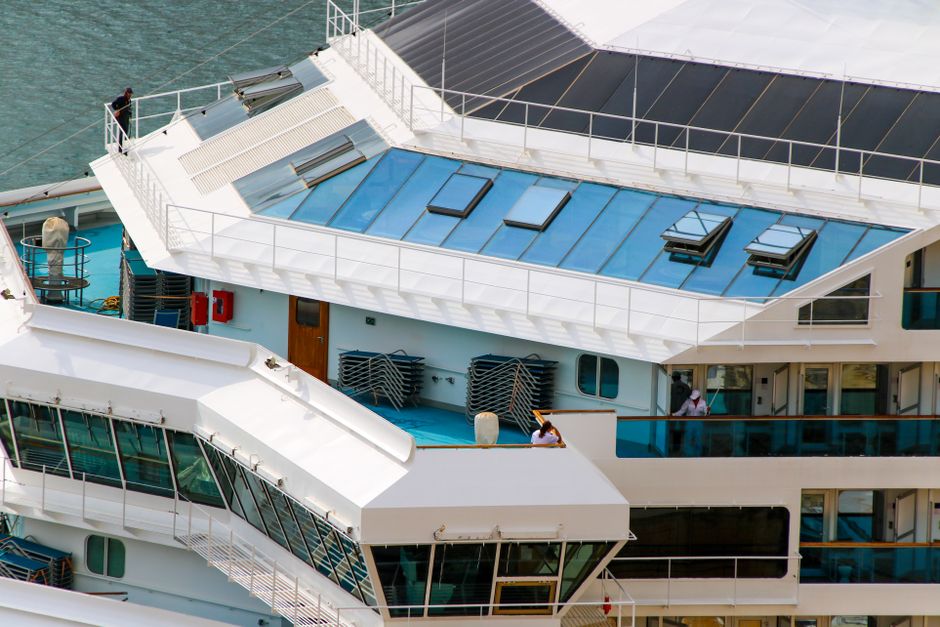
Photo by SamFoll SF on Pexels
The upper deck is where the novel's powerful and influential characters gather. You'll find Spanish officials, wealthy friars, and rich ilustrados (Filipinos educated in Europe, but often still holding colonial-minded views). They speak Spanish, discuss "important" matters like steam navigation, and criticize the "indios" (native Filipinos).
- Characters: Don Custodio (a Spanish government official), Padre Salvi (a friar, often seen as manipulative), Padre Irene (another friar), Doña Victorina (a Filipino woman obsessed with Spanish customs).
- Atmosphere: Lively, self-important, often condescending, filled with discussions of power, colonial administration, and how to "civilize" the natives. They enjoy the views and fresh air.
- Symbolism: Represents the ruling class, the colonizers, and their Filipino allies who have adopted Spanish culture. They hold the power, wealth, and influence.
The Lower Deck: Poverty and Oppression
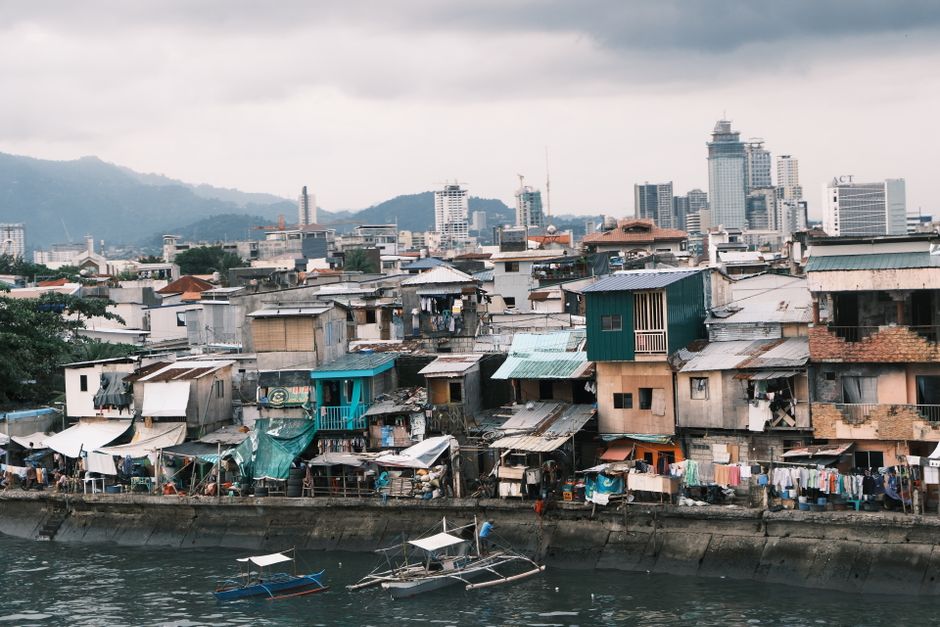
Photo by Paul De Vota on Pexels
In stark contrast, the lower deck is crowded, uncomfortable, and hot. Here you'll find the native Filipinos, the "indios," who are often engaged in hard labor or simply traveling. They speak Tagalog and are largely ignored by those on the upper deck. Their discussions are about their daily struggles, their poverty, and their quiet resentment.
- Characters: Simoun (the mysterious jeweler, though he moves between decks, his presence here signifies a connection to the oppressed), Basilio and Isagani (young, educated Filipinos representing the hopes for change). Other anonymous Filipinos.
- Atmosphere: Stifling, crowded, hardworking, quiet, filled with the murmurs of the common people. They are denied the views and fresh air enjoyed by those above.
- Symbolism: Represents the oppressed, the native population, who are denied power, dignity, and a voice. They bear the brunt of colonial policies.
The physical separation on the Tabo isn't just about geography; it's a powerful visual metaphor for the rigid social hierarchy. The novel opens with this image to make you instantly aware of the core conflict: the immense gap between the colonizers and the colonized, the powerful and the powerless.
graph TD
    A["Steamer Tabo (Philippine Society)"] --> B["Upper Deck (Privilege/Power)"];
    A --> C["Lower Deck (Poverty/Oppression)"];

    B --> D["Spanish Officials (e.g., Don Custodio)"];
    B --> E["Friars (e.g., Padre Salvi, Padre Irene)"];
    B --> F["Wealthy Ilustrados (e.g., Doña Victorina)"];
    B --> G["Language: Spanish"];
    B --> H["Discussions: Politics, Colonial Admin, 'Civilizing' Natives"];
    B --> I["View: Open, Fresh Air"];

    C --> J["Native Filipinos ('Indios')"];
    C --> K["Laborers, Common People"];
    C --> L["Young Filipino Intellectuals (e.g., Basilio, Isagani)"];
    C --> M["Language: Tagalog"];
    C --> N["Discussions: Daily Struggles, Poverty, Quiet Resentment"];
    C --> O["View: Confined, Hot"];
3. Worked Example
Let's look at a key observation from the novel's first chapter:
"The steamer Tabo was shaped almost like a tabo itself – round, rather heavy, and definitely slow. It was packed with passengers, and on its upper deck, under an awning, sat the most important people, conversing in Spanish about trivial matters and criticizing the lazy natives. Below, in the hot, crowded hold, the native passengers sat silently, their faces reflecting the humid air and their quiet resignation."
This passage isn't just describing a boat; it's showing you the social structure. The "most important people" on the "upper deck" are speaking Spanish and "criticizing the lazy natives"—this immediately identifies them as the colonizers and their privileged allies. They're discussing "trivial matters" because they don't face the daily struggles of the majority. The "native passengers" in the "hot, crowded hold" are "sitting silently," their "quiet resignation" symbolizing their lack of voice and agency. The contrast is stark: comfort vs. discomfort, power vs. powerlessness, voice vs. silence.
4. Key Takeaways
- The Tabo's two decks are a powerful symbol of the extreme social division in colonial Philippines.
- The upper deck represents the ruling, privileged Spanish and Hispanized Filipino elite.
- The lower deck symbolizes the oppressed, impoverished, and voiceless native Filipinos.
- The physical separation highlights the unequal distribution of power, wealth, and comfort.
- The discussions on each deck reveal the contrasting concerns and perspectives of the two groups.
- Rizal uses this opening scene to immediately establish the novel's critical stance on social inequality.
- The steamer's slow, round shape is a metaphor for the inefficiency and backwardness of the colonial system.
Common Mistakes to Avoid:
- Don't confuse the physical separation with mere seating arrangements; it's deeply symbolic.
- Don't overlook the significance of language (Spanish vs. Tagalog) in defining the two groups.
- Don't assume all Filipinos are on the lower deck; some wealthy Filipinos have assimilated to the upper deck culture.
- Don't see this as just a historical description; it's a commentary on ongoing social issues.
5. Now Try It
Take a moment to imagine yourself as a passenger on the Tabo. Write a short paragraph (5-7 sentences) from the perspective of someone on the upper deck, describing what you see and hear around you, and how you perceive the people on the lower deck. Then, write another short paragraph (5-7 sentences) from the perspective of someone on the lower deck, describing their surroundings and their feelings about those on the upper deck.
What success looks like: Your descriptions should clearly reflect the social class, attitudes, and environment of each deck as discussed above, highlighting the stark contrast between the two perspectives.
Frequently asked about Introduction to the Social Landscape: The Two Decks
More from El Filibusterismo
Get the full El Filibusterismo curriculum
Clone the complete plan to your dashboard for unlimited AI-generated notes, practice quizzes, and a personalised revision schedule.
Create Free Account