Founding of the United States: Revolution and Early Republic
From the advanced placement united states history curriculum
Founding of the United States: Revolution and Early Republic
TL;DR
This period covers how American colonies broke free from British rule and then established a new, independent nation. It involved a struggle for self-governance, a war for independence, and the creation of a new governmental structure. You'll learn about the core ideas and events that shaped the early USA.
1. The Mental Model
Think of this era as a dramatic breakup followed by an ambitious startup. The colonies, like frustrated partners, gradually decided they'd had enough of Britain's rules. Then, like founders, they had to figure out how to build a whole new system from scratch.
2. The Core Material
The founding of the United States wasn't a sudden event, but a complex process of political, economic, and social transformation. It began with growing tensions between Great Britain and its American colonies after the French and Indian War (1754-1763), which led to new British policies like taxes and restrictions. These policies, perceived as infringements on colonial rights, fueled a desire for greater autonomy and eventually, independence.
The Road to Revolution
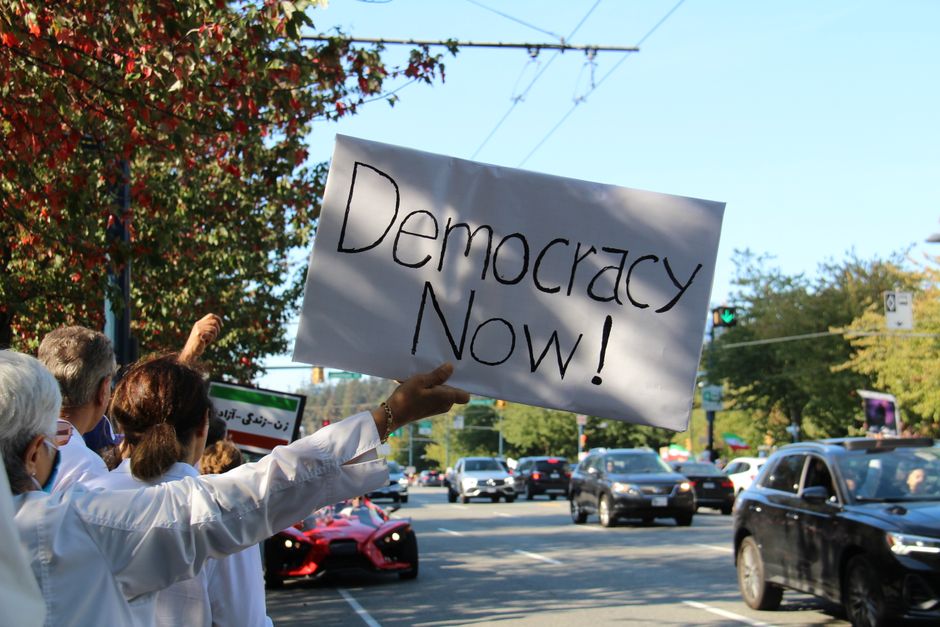
Photo by Sima Ghaffarzadeh on Pexels
British attempts to assert greater control and raise revenue from the colonies after 1763 were met with increasing resistance. Key events like the Stamp Act, Townshend Acts, and Boston Massacre galvanized colonial opposition. The cry of "no taxation without representation" encapsulated their belief that they couldn't be taxed by a Parliament in which they had no elected representatives.
graph TD
    A["French & Indian War (1754-1763)"] --> B["British Debt & Desire for Control"];
    B --> C["New British Policies (e.g., Stamp Act, Townshend Acts)"];
    C --> D["Colonial Resistance (e.g., Boycotts, Protests)"];
    D --> E["Escalation of Tensions (e.g., Boston Massacre, Tea Party)"];
    E --> F["First Continental Congress (1774)"];
    F --> G["Lexington & Concord (1775)"];
    G --> H["Second Continental Congress & Declaration of Independence (1776)"];
The Revolutionary War (1775-1783)

Photo by Jesús Esteban San José on Pexels
The fighting began with the "shot heard 'round the world" at Lexington and Concord. George Washington led the Continental Army, facing a powerful British military. Key turning points included the Battle of Saratoga (which secured French alliance) and the final victory at Yorktown. The war formally ended with the Treaty of Paris in 1783, recognizing U.S. independence.
Establishing a New Nation: The Early Republic

Photo by Tara Winstead on Pexels
After winning independence, the newly formed United States faced the challenge of creating a stable and effective government.
The Articles of Confederation
The first governing document, the Articles of Confederation, created a weak central government with strong state sovereignty. It struggled to address economic problems, interstate disputes, and foreign policy challenges. Shay's Rebellion (1786-1787), an uprising of farmers in Massachusetts, highlighted the weaknesses of the Articles and pushed for reform.
The Constitutional Convention (1787)
Delegates met in Philadelphia to revise the Articles but ultimately decided to write a completely new Constitution. Key debates included representation (Great Compromise), slavery (Three-Fifths Compromise), and the balance of power between federal and state governments. The resulting Constitution established a federal system with three branches of government: legislative, executive, and judicial.
Ratification and the Bill of Rights
The Constitution's ratification was not guaranteed. Federalists, who supported the Constitution, argued for a strong central government, while Anti-Federalists feared it would lead to tyranny. The Federalist Papers, a series of essays, helped persuade the public. To secure ratification, Federalists promised a Bill of Rights, which was added in 1791 to protect individual liberties.
Washington's Presidency and Early Challenges
George Washington, the first president, set many precedents. His administration dealt with establishing financial stability (Hamilton's economic plan), defining foreign policy (neutrality proclamation), and managing westward expansion. The emergence of political parties (Federalists vs. Democratic-Republicans) marked an early division in American politics.
3. Worked Example
Let's look at how the idea of "no taxation without representation" evolved into actual government structure.
British Parliament, after the French and Indian War, believed it had the right to impose taxes like the Stamp Act on colonies to help pay war debts and defense costs. Colonists argued this was illegitimate because they elected no members to Parliament, thus they weren't represented. This principle fueled protests and boycotts.
When the U.S. Constitution was drafted, this principle was embedded directly. Article I, Section 2 states, "Representatives and direct Taxes shall be apportioned among the several States... according to their respective Numbers..." and "The House of Representatives shall be composed of Members chosen every second Year by the People of the several States." This ensures that taxation comes from elected representatives, directly addressing the core grievance that started the Revolution.
4. Key Takeaways
- The French and Indian War significantly altered the relationship between Britain and its colonies, leading to increased British control and taxation.
- Colonial resistance to British policies, epitomized by "no taxation without representation," escalated into the American Revolution.
- The Declaration of Independence articulated the philosophical basis for American independence, rooted in Enlightenment ideals.
- The Articles of Confederation, the first government, proved too weak, highlighting the need for a stronger federal system.
- The U.S. Constitution established a durable framework for government based on federalism, separation of powers, and checks and balances.
- The Bill of Rights was added to protect individual liberties and address Anti-Federalist concerns about federal power.
- Early presidential administrations faced the critical task of defining the new nation's economic, political, and foreign policies.
Common Mistakes to Avoid:
- Don't confuse the causes of the French and Indian War with the causes of the American Revolution; they're linked but distinct.
- Avoid seeing the Founding Fathers as a monolithic group; they had significant disagreements on key issues.
- Don't assume the transition from colonies to independent nation was smooth or universally supported.
- Don't forget the importance of social and economic factors alongside political ones in driving the Revolution.
5. Now Try It
Imagine you are a delegate to the Constitutional Convention in 1787. You've just heard arguments for both the Virginia Plan (proportional representation) and the New Jersey Plan (equal representation). Write a short speech (about 200-250 words) to persuade your fellow delegates on why a compromise, like the Great Compromise, is essential for the survival of the new nation, addressing the concerns of both large and small states.
What success looks like: Your speech clearly identifies the core conflict between large and small states, explains why both sides' concerns are valid, and argues for a solution that balances representation in a way that encourages ratification and prevents the union from dissolving.
Frequently asked about Founding of the United States: Revolution and Early Republic
More from advanced placement united states history
Get the full advanced placement united states history curriculum
Clone the complete plan to your dashboard for unlimited AI-generated notes, practice quizzes, and a personalised revision schedule.
Create Free Account