Transatlantic Trade, Mercantilism, and Colonial Labor Systems
From the advanced placement united states history curriculum
Transatlantic Trade, Mercantilism, and Colonial Labor Systems
TL;DR
Transatlantic trade connected Europe, Africa, and the Americas through a complex system. Mercantilism drove this trade, aiming to enrich the mother country by exporting more than importing. Colonial labor systems, primarily slavery and indentured servitude, provided the raw materials for this mercantilist engine.
1. The Mental Model
Think of mercantilism as a national economic strategy where a country wants to accumulate as much wealth (especially gold and silver) as possible. To do this, it needs to control its trade, always selling more than it buys. Colonies were vital to this plan, supplying cheap raw materials and buying finished goods.
2. The Core Material
During the colonial period, the Atlantic Ocean became a superhighway for goods, people, and ideas. This system, often called the Triangular Trade, wasn't always a neat triangle, but it highlights the interconnectedness.
Mercantilism: The Economic Rules of the Game

Photo by Berna on Pexels
Mercantilism was the dominant economic theory from the 16th to the 18th centuries. Its core idea was that a nation's power was directly tied to its wealth. To achieve this:
* Accumulate Bullion: Get as much gold and silver as possible.
* Favorable Balance of Trade: Export more goods than you import.
* Colonial Exploitation: Colonies existed to benefit the mother country. They provided raw materials (like sugar, tobacco, cotton, timber) that couldn't be found at home and served as captive markets for manufactured goods.
* Navigation Acts: Britain, for example, passed these laws to enforce mercantilism. They restricted colonial trade to only British ships and ports, ensuring profits stayed within the empire.
Transatlantic Trade: The Flow of Goods and People
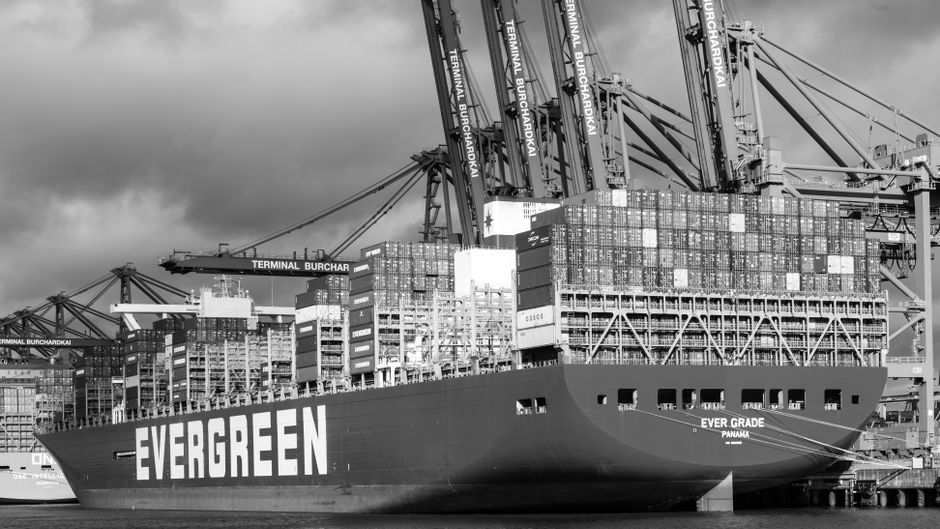
Photo by Wolfgang Weiser on Pexels
The "Triangular Trade" describes the major routes:
1. Europe to Africa: Manufactured goods (textiles, rum, guns) were traded for enslaved people.
2. Africa to Americas (Middle Passage): Enslaved Africans were forcibly transported across the Atlantic to work on plantations. This was a brutal and deadly journey.
3. Americas to Europe: Raw materials (sugar, tobacco, cotton, timber, furs) produced by colonial labor were shipped to Europe for manufacturing.
graph TD
    A["Europe (Mother Country)"] --> B["Africa (West Africa)"];
    B --> C["Americas (Colonies)"];
    C --> A;

    subgraph "Goods Exchanged"
        A -- "Manufactured Goods (Guns, Rum, Textiles)" --> B;
        B -- "Enslaved People (Middle Passage)" --> C;
        C -- "Raw Materials (Sugar, Tobacco, Cotton, Timber)" --> A;
    end
Colonial Labor Systems: Powering the Engine
Photo by LeenSelina Cook Jordan on Pexels
To produce the vast quantities of raw materials needed for mercantilism, colonies relied on various labor systems, often exploitative:
* Indentured Servitude: Early on, many Europeans came to the colonies as indentured servants. They agreed to work for a set number of years (typically 4-7) in exchange for passage to the New World, food, shelter, and sometimes "freedom dues" (land, tools) at the end of their term. While harsh, it offered a chance at a new life.
* Native American Labor: Initially, Europeans tried to enslave Native Americans. However, disease, resistance, and familiarity with the land made it difficult to sustain this system on a large scale. The Spanish encomienda system is an example of forced Native labor.
* Slavery (Chattel Slavery): This became the dominant and most brutal labor system, particularly in the Southern colonies and the Caribbean. Enslaved Africans were considered property, not people. Their bondage was lifelong and hereditary, meaning their children were also enslaved. This system was incredibly profitable for plantation owners and fueled the production of cash crops like sugar and tobacco.
3. Worked Example
Imagine a British merchant in the 1700s. He sails from Liverpool, England, with a ship full of cotton textiles, rum distilled from Caribbean sugar, and muskets manufactured in Birmingham. He reaches a trading post on the coast of West Africa, where he exchanges these goods for 200 enslaved people captured from inland tribes. His ship then endures the horrific "Middle Passage," arriving in Barbados with 160 survivors. These enslaved people are sold to a sugar plantation owner for a high price. The merchant then fills his ship with barrels of raw sugar and molasses from the plantation. He sails back to Liverpool, sells the sugar to refiners and the molasses to distillers, making a substantial profit. All steps are tightly controlled by British law to ensure the profits benefit the British Empire, not rival nations.
4. Key Takeaways
- Mercantilism was an economic policy focused on increasing a nation's wealth and power through a positive balance of trade.
- Colonies were essential to mercantilism, providing raw materials and captive markets for manufactured goods.
- The Transatlantic (or Triangular) Trade linked Europe, Africa, and the Americas in a vast exchange of goods, resources, and enslaved people.
- The Middle Passage was the horrific forced journey of enslaved Africans across the Atlantic.
- Colonial labor systems evolved from indentured servitude to widespread chattel slavery, particularly in cash crop economies.
- The Navigation Acts were British laws designed to enforce mercantilist policies and benefit the mother country.
- These systems created immense wealth for European powers while inflicting profound suffering on enslaved Africans.
5. Now Try It
Explain how the concept of mercantilism directly led to the increased demand for enslaved labor in the American colonies. Specifically, identify the economic motivations and the role of colonial resources. Your explanation should be about 100-150 words. What success looks like: You'll clearly connect the dots between the mother country's desire for wealth, the colonies' role in providing raw materials, and the specific labor system chosen to maximize that production.
Frequently asked about Transatlantic Trade, Mercantilism, and Colonial Labor Systems
More from advanced placement united states history
Get the full advanced placement united states history curriculum
Clone the complete plan to your dashboard for unlimited AI-generated notes, practice quizzes, and a personalised revision schedule.
Create Free Account