Transport, Communication, and International Trade (India)
From the geography curriculum
TL;DR
This topic covers how India moves goods and people, exchanges information, and trades with other countries. We'll focus on different transport modes, communication technologies, and the types and patterns of India's international trade. Given the exam is tomorrow, we'll hit the most probable CBSE questions.
1. The Mental Model
Think of India as a vast network. Transport is about the physical arteries carrying lifeblood (goods, people), communication is the nervous system relaying messages, and international trade is how this network connects to the rest of the world for exchange.
2. The Core Material
You need to understand the fundamental types and significance of each component.
Transport Systems

Photo by Lio Voo on Pexels
India's transport system is diverse and crucial for its economy.
- Roadways:
- Importance: Most widely used, door-to-door service, flexible, links other modes. Essential for short and medium distances.
- Classification:
- National Highways (NH): Main arterial roads connecting states and major cities. Maintained by NHAI.
- State Highways (SH): Link state capital with district headquarters.
- District Roads: Connect district headquarters with other places in the district.
- Rural Roads: Connect rural areas and villages.
- Border Roads: Strategic roads in border areas, maintained by Border Roads Organisation (BRO).
- Golden Quadrilateral: Connects Delhi, Mumbai, Chennai, Kolkata with 6-lane superhighways. Very important project.
- Railways:
- Importance: Principal mode for freight and passengers over long distances. Good for bulk goods.
- Challenges: Overcrowding, slow speeds on some routes, gauge differences (though largely standardized now).
- Question Alert: Importance of railways as a "great integrating force" (economic, social, cultural).
- Pipelines:
- Importance: For crude oil, petroleum products, natural gas. Efficient, minimizes trans-shipment losses.
- Key Networks: Hazira-Vijaipur-Jagdishpur (HVJ) pipeline is a major one.
- Waterways:
- Importance: Cheapest mode, most fuel-efficient, ideal for heavy and bulky goods. Environmentally friendly.
- Inland Waterways: National Waterways (NW-1, NW-2, NW-3 are most important).
- NW-1: Ganga river (Haldia-Allahabad)
- NW-2: Brahmaputra river (Sadiya-Dhuvri)
- NW-3: West Coast Canal (Kollam-Kottapuram)
- Oceanic Waterways: India has a long coastline and major ports (Kandla, Mumbai, JNPT, Mormugao, Mangaluru, Kochi, Tuticorin, Chennai, Visakhapatnam, Paradip, Kolkata, Haldia).
- Question Alert: Advantages of water transport over land transport.
- Airways:
- Importance: Fastest, most comfortable, and prestigious. Essential for remote areas (e.g., NE India), natural calamities, and high-value, perishable goods.
- Challenges: Expensive.
- Airlines: Air India (international and domestic), IndiGo, SpiceJet, etc.
Communication Systems

Photo by Hubert Nowik on Pexels
These connect people and facilitate information exchange.
- Personal Communication:
- Postal Services: India has one of the largest postal networks. Used for mail, parcels, money orders.
- Telecommunication:
- Telephone: Landlines (declining) and mobile phones (exploding growth).
- Internet: Massively growing, broadband connectivity.
- Question Alert: How mobile phones and internet have revolutionized communication.
- Mass Communication:
- Television (Doordarshan): National broadcaster, wide reach.
- Radio (All India Radio): Broadcasts in many languages, covers remote areas.
- Newspapers: Large circulation in various languages.
- Magazines, Films (Bollywood): Significant cultural and social impact.
International Trade
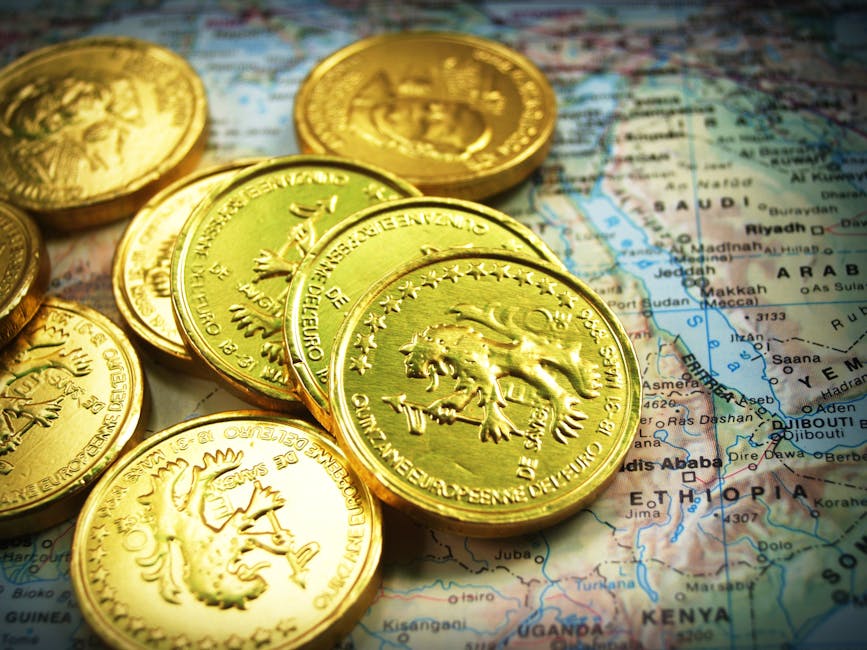
Photo by icon0 com on Pexels
The exchange of goods and services between countries.
- Definition: Export (selling to other countries) and Import (buying from other countries).
- Balance of Trade:
- Favorable/Surplus: Exports > Imports.
- Unfavorable/Deficit: Exports < Imports (India generally has this).
- Composition of Trade: What India exports and imports.
- Exports: Agricultural products, textiles, gems & jewellery, engineering goods, chemicals, software, handicrafts.
- Imports: Crude petroleum and products (largest item), electronics, machinery, pearls & precious stones, chemicals.
- Direction of Trade: Which countries India trades with.
- Major Partners: USA, UAE, China, Saudi Arabia, Germany, Singapore.
- Seaports as Gateways: Ports are crucial for international trade, handling most of India's foreign trade.
- Airports for Trade: Handle high-value, perishable goods.
- Question Alert: Explain the concept of 'Balance of Trade' and its implications for India. Why are ports called 'gateways of international trade'?
Here's a diagram showing the hierarchy of road classification in India:
graph TD
    A["Roads in India"] --> B["National Highways (NH)"]
    A --> C["State Highways (SH)"]
    A --> D["District Roads"]
    A --> E["Rural Roads"]
    A --> F["Border Roads"]

    B --"Connects"--> G["Major Cities & States"]
    C --"Connects"--> H["State Capital & District HQs"]
    D --"Connects"--> I["District HQ & Local Places"]
    E --"Connects"--> J["Villages & Rural Areas"]
    F --"Strategic Importance"--> K["Border Areas"]
3. Worked Example
Let's consider a question: "Explain the importance of waterways as a mode of transport in India."
You'd answer: Waterways are extremely important for India due to several reasons. Firstly, they are the cheapest mode of transport, making them ideal for carrying heavy and bulky goods like coal, ore, and timber over long distances, which significantly reduces transportation costs for industries. Secondly, they are the most fuel-efficient and environmentally friendly mode, producing less pollution compared to road or rail. Thirdly, India has a vast network of inland waterways (like the Ganga and Brahmaputra rivers) and a long coastline with numerous major and minor ports, facilitating both internal movement and international trade. For instance, National Waterway-1 (Ganga River) is crucial for moving goods between industrial hubs like Kolkata and inland cities like Allahabad, and major seaports like Mumbai and Chennai handle a large percentage of India's foreign trade.
4. Key Takeaways
- Roadways offer door-to-door service and are flexible, making them the most widely used mode.
- Railways are vital for long-distance transport of bulk goods and passengers, acting as a national integrator.
- Waterways are the cheapest, most fuel-efficient, and eco-friendly, essential for heavy goods and international trade.
- Airways are the fastest mode, crucial for remote areas, emergencies, and high-value cargo, despite being expensive.
- Telecommunication, especially mobile phones and the internet, has revolutionized personal and mass communication, fostering connectivity.
- India's international trade balance is often in deficit, with crude oil being the largest import and software/engineering goods key exports.
- Seaports are the primary gateways for India's international trade, handling the bulk of imports and exports.
Common Mistakes to Avoid:
- Don't just list modes; explain their significance and advantages/disadvantages.
- Confusing different classifications of roads (e.g., National vs. State Highways).
- Forgetting to mention the specific National Waterways or major ports when discussing water transport.
- Not linking communication advancements to their socio-economic impact.
- Simply stating "exports more than imports" without defining favorable/unfavorable balance of trade.
5. Now Try It
Imagine you are advising the government on improving connectivity in a remote region of Northeast India. Which mode(s) of transport and communication would you prioritize and why? Think about the specific challenges of the region (e.g., terrain, weather). Your answer should justify your choices by highlighting the specific advantages of each chosen mode. Success looks like a concise paragraph explaining your choices with clear reasoning for each.
Frequently asked about Transport, Communication, and International Trade (India)
Study this next
Get the full geography curriculum
Clone the complete plan to your dashboard for unlimited AI-generated notes, practice quizzes, and a personalised revision schedule.
Save this course free