Fundamentals of Human Geography (India Focus)
From the geography curriculum
TL;DR
You're learning how human populations interact with and shape the Indian environment, covering how people are distributed, migrate, and work. This topic focuses on India's unique demographic features, rural-urban dynamics, and the challenges of development. Expect questions on population characteristics, migration patterns, and settlement types in an Indian context.
1. The Mental Model
Think of human geography as a story about people and places. In India, this story involves billions of people, diverse landscapes, and rapid changes, all interconnected. You're trying to understand where people are, why they're there, how they live, and what impacts their lives.
2. The Core Material
Human Geography in India broadly covers Population, Human Settlements, and Resources & Development. For your exam, focus on the unique Indian aspects of these themes.
Population: Distribution, Density, Growth, and Composition

Photo by Sérgio Souza on Pexels
India has a massive, diverse population.
* Distribution: Unevenly spread. High in river plains (Ganga), coastal areas, and urban centers. Low in mountainous, arid, or forested regions.
* Question: "Discuss the factors influencing the spatial distribution of population in India."
* Density: One of the highest in the world. Calculated as persons per square kilometer. Varies hugely (e.g., Bihar vs. Arunachal Pradesh).
* Growth: While growth rate is declining, the absolute numbers are still huge. Understand phases of population growth (refer to your textbook for the specific four phases India has gone through).
* Question: "Explain the trends and patterns of population growth in India since Independence."
* Composition:
* Age-Sex Structure: India is a young country (large youth bulge), but the elderly population is growing. Sex ratio (females per 1000 males) is a critical indicator, often unfavorable to females due to social factors.
* Rural-Urban Composition: Majority rural, but urbanization is rapid.
* Occupational Structure: Primary sector (agriculture) still dominates, but secondary (industry) and tertiary (services) are growing.
* Literacy: Improving, but disparities exist (gender, rural-urban, regional).
Human Settlements: Rural and Urban
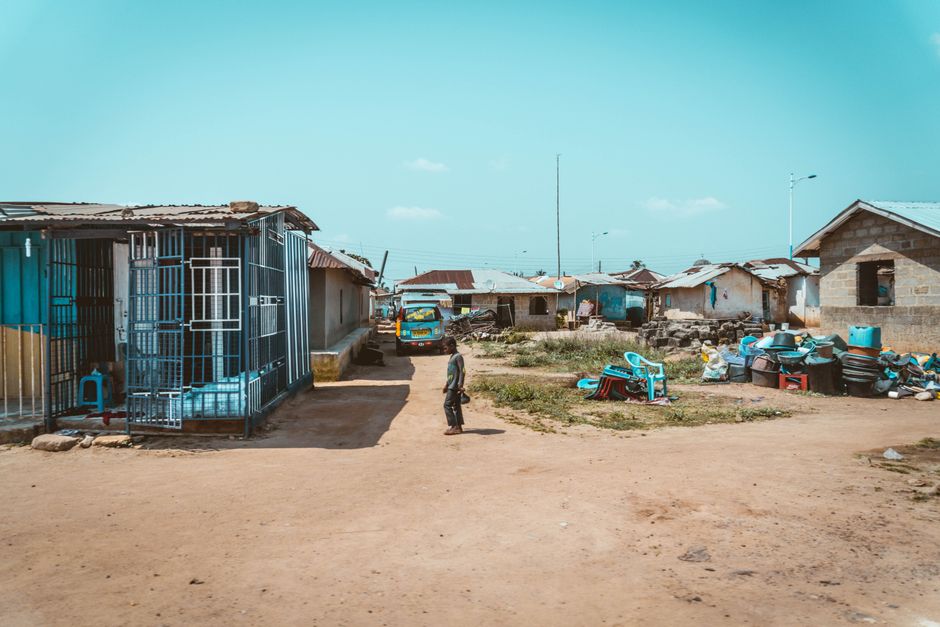
Photo by Seyiram Kweku on Pexels
Settlements are where people live.
* Rural Settlements: Vary based on physical features and economic activity.
* Types: Clustered/Nucleated (plain areas), Semi-clustered (fragmented clusters), Hamleted (distinct units), Dispersed (isolated dwellings, hilly/arid areas).
* Question: "Describe the different types of rural settlements found in India, providing examples for each."
* Urban Settlements: Cities are centers of non-agricultural work.
* Classification: Based on population size (Census towns, cities, metropolitan cities), function (administrative, industrial, transport, commercial, religious), or evolution (ancient, medieval, modern).
* Problems: Slums, traffic, pollution, waste management, housing shortages.
* Question: "Analyze the socio-economic problems associated with rapid urbanization in India."
Migration: Causes and Consequences

Photo by David Kanigan on Pexels
Movement of people from one place to another.
* Types: Internal (within India), International (out/into India).
* Causes:
* Push Factors: Poverty, unemployment, lack of facilities, natural disasters, political instability (e.g., rural to urban for work).
* Pull Factors: Better job opportunities, higher wages, better education/health facilities, urban amenities.
* Consequences:
* Demographic: Changes in age/sex composition in sending/receiving areas.
* Economic: Remittances, labor supply, pressure on resources.
* Social: Cultural mixing, social tension, mental health issues.
* Environmental: Strain on urban infrastructure.
* Question: "Examine the causes and consequences of internal migration in India."
graph TD
    A["Population (India)"] --> B["Distribution & Density"]
    A --> C["Growth & Trends"]
    A --> D["Composition"]
    D --> D1["Age-Sex Ratio"]
    D --> D2["Rural-Urban"]
    D --> D3["Occupational Structure"]
    D --> D4["Literacy"]

    E["Human Settlements"] --> F["Rural Settlements"]
    F --> F1["Clustered"]
    F --> F2["Semi-clustered"]
    F --> F3["Hamleted"]
    F --> F4["Dispersed"]
    E --> G["Urban Settlements"]
    G --> G1["Classification (Size, Function)"]
    G --> G2["Urban Problems"]

    H["Migration (India)"] --> I["Types (Internal, International)"]
    H --> J["Causes (Push, Pull)"]
    H --> K["Consequences (Demographic, Economic, Social, Environmental)"]
3. Worked Example
Question: "Explain the four phases of population growth in India and their key characteristics."
Answer Breakdown:
* Phase I (1901-1921): Stagnant/Stationary Phase. Low growth due to high birth and death rates (poor health, famine, illiteracy). Period of slow growth.
* Phase II (1921-1951): Steady Growth. Improvement in health and sanitation (especially control of epidemics), leading to reduced mortality. High birth rate continued. 1921 is known as the "Great Divide" year.
* Phase III (1951-1981): Population Explosion. Rapid growth due to much lower death rates (advanced medical facilities, better living conditions) but still high birth rates. Post-Independence focus on development.
* Phase IV (1981 onwards): Declining Growth Rate. Birth rate started to decline due to family planning efforts, increased education, and urbanization. Population is still growing, but the rate of growth is slowing down.
This answer directly addresses the prompt by identifying the phases, providing their timeframes, and outlining the primary demographic characteristics of each, highlighting key historical events.
4. Key Takeaways
- India's population distribution is highly uneven, largely influenced by physical features and resource availability.
- The concept of "Great Divide" in 1921 marks a significant shift from stagnant to steady population growth.
- Internal migration, primarily rural-urban, is driven by "push" factors from rural areas and "pull" factors of urban centers.
- Rural settlements vary in type based on environment, while urban settlements are classified by size, function, and historical development.
- Rapid urbanization in India leads to critical challenges like slum formation, pressure on infrastructure, and environmental degradation.
-
India is experiencing a demographic dividend due to its large young population, but also faces challenges like an unfavorable sex ratio in some regions.
-
Avoid: Confusing population growth with growth rate. Growth rate can decline while the population still increases in absolute terms.
- Avoid: Giving generic answers; always try to link concepts back to specific Indian examples or conditions.
- Avoid: Forgetting to mention "push" and "pull" factors when discussing migration.
- Avoid: Underestimating the importance of literacy and occupational structure as population characteristics.
5. Now Try It
Spend 15 minutes outlining answers to two likely questions:
1. "Analyze the challenges posed by the rapid rate of urbanization in India and suggest measures to address them." (Think about housing, infrastructure, environment, and social issues).
2. "Describe the various components of India's population composition and explain their significance." (Focus on age-sex, rural-urban, occupational, and literacy aspects, and why they matter for development).
Success looks like a concise, point-wise outline for each question, using specific terms from your notes, and identifying at least 3 distinct points for each challenge/component.
Frequently asked about Fundamentals of Human Geography (India Focus)
Study this next
Get the full geography curriculum
Clone the complete plan to your dashboard for unlimited AI-generated notes, practice quizzes, and a personalised revision schedule.
Save this course free