Introduction to the Solar System and Its Formation
From the Solar System Study Guide curriculum
Introduction to the Solar System and Its Formation
TL;DR
Our solar system began as a giant cloud of gas and dust that collapsed under its own gravity, forming the Sun and a spinning disk. Planets then grew from this disk through collisions and accumulation of material, with rocky planets closer to the Sun and gas giants further out. This process, called the nebular hypothesis, explains the layout and composition we see today.
1. The Mental Model
Imagine a massive, swirling cloud of cosmic material. This cloud starts to shrink and flatten, like a pizza dough spinning into shape. In the center, a star ignites, and around it, leftover bits of dough clump together to form planets.
2. The Core Material
Our solar system is a fascinating place, made up of the Sun, eight planets, dwarf planets, moons, asteroids, comets, and other debris, all orbiting the Sun. But how did it all get here? The leading theory is the nebular hypothesis.
2.1 The Solar Nebula
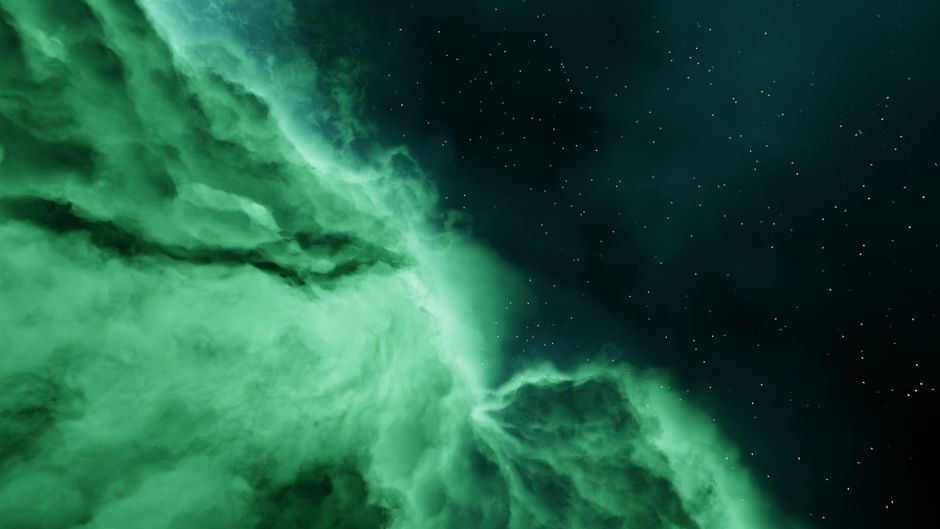
Photo by Marek Pavlík on Pexels
It all began about 4.6 billion years ago with a massive cloud of interstellar gas and dust, known as the solar nebula. This cloud was mostly hydrogen and helium, with trace amounts of heavier elements. Something – perhaps a nearby supernova shockwave – triggered its collapse.
2.2 Collapse and Rotation

Photo by Marek Piwnicki on Pexels
As the nebula collapsed, gravity pulled material towards the center. To conserve angular momentum (the spinning equivalent of straight-line momentum), the cloud began to spin faster and flatten into a disk, much like a figure skater pulling in their arms to spin faster. The center of this disk became very dense and hot.
2.3 Protostar Formation
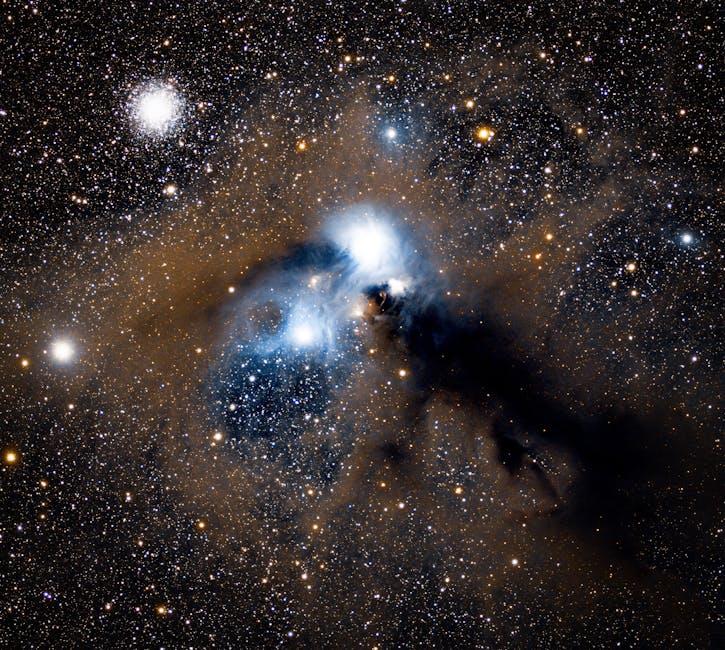
Photo by Yihan Wang on Pexels
The dense, hot core at the center of the spinning disk became a protostar. This is the early stage of a star, before nuclear fusion begins. As more material fell onto the protostar, its temperature and pressure increased dramatically.
2.4 Planetesimal and Protoplanet Formation
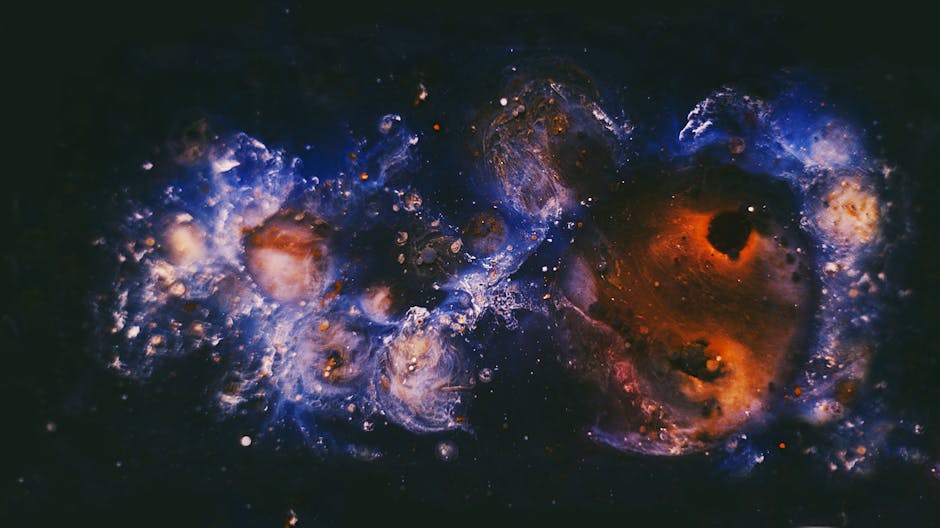
Photo by Miriam Espacio on Pexels
Within the disk orbiting the protostar, dust grains collided and stuck together, a process called accretion. Over millions of years, these tiny particles grew into larger clumps called planetesimals (think of them as asteroid-sized building blocks). Planetesimals then continued to collide and merge, forming even larger bodies called protoplanets.
2.5 Differentiation and Planetary Evolution
The early Sun's heat created a temperature gradient in the disk. Closer to the Sun, only materials with high melting points (like rock and metal) could condense. This led to the formation of the inner, rocky planets (Mercury, Venus, Earth, Mars). Further out, beyond the "frost line" where it was cold enough for volatile compounds like water, methane, and ammonia to freeze, massive amounts of ice joined the rock and metal. This allowed the outer, gas giant planets (Jupiter, Saturn, Uranus, Neptune) to grow much larger by accumulating vast atmospheres of hydrogen and helium.
2.6 The Sun Ignites
Eventually, the protostar in the center gathered enough mass and reached a critical temperature and pressure for nuclear fusion to begin. Hydrogen atoms started fusing into helium, releasing immense energy. This marked the birth of our Sun, which then cleared away much of the remaining gas and dust from the solar system through strong solar winds.
graph TD
    A["Interstellar Gas & Dust Cloud"] --> B["Cloud Collapse (Gravity)"];
    B --> C["Rapid Rotation & Flattening Disk"];
    C --> D["Central Protostar Forms"] & E["Planetesimals Accrete (Inner Region)"];
    C --> F["Planetesimals & Ice Accrete (Outer Region)"];
    D --> G["Sun Ignites (Nuclear Fusion)"];
    E --> H["Inner Rocky Planets Form"];
    F --> I["Outer Gas/Ice Giants Form"];
    G --> J["Solar Wind Clears Remaining Debris"];
    H & I --> K["Modern Solar System"];
3. Worked Example
Let's consider how Earth formed. Starting from the spinning disk, in the region where Earth is now, solid particles like silicates (rocky materials) and iron condensed. These particles collided and stuck together due to electrostatic forces, growing into pebble-sized, then boulder-sized clumps. As these planetesimals got larger, their own gravity started playing a role, pulling in more material. Over tens of millions of years, countless collisions of these planetesimals and protoplanets gradually accumulated to form Earth, with heavier elements like iron sinking to its core as it melted and differentiated.
4. Key Takeaways
- The solar system originated from a vast cloud of gas and dust called the solar nebula.
- Gravity caused the nebula to collapse, spin faster, and flatten into a disk.
- A protostar formed at the center, eventually becoming our Sun through nuclear fusion.
- Within the disk, dust particles accreted into planetesimals, then into protoplanets.
- Temperature differences in the disk led to rocky inner planets and gas/ice giant outer planets.
- The Sun's ignition swept away most of the remaining gas and dust.
- This entire process is known as the nebular hypothesis.
5. Now Try It
Imagine you're designing a new planetary system. Based on the nebular hypothesis, describe the conditions and processes you'd need to create a system with three rocky planets close to the star and two gas giants further out. What would determine the size difference between your rocky and gas giant planets? Your answer should be about 3-5 sentences long.
Frequently asked about Introduction to the Solar System and Its Formation
Get the full Solar System Study Guide curriculum
Clone the complete plan to your dashboard for unlimited AI-generated notes, practice quizzes, and a personalised revision schedule.
Create Free Account