The Encomienda System: Structure and Intent
From the History of Education curriculum
TL;DR
The Encomienda system was a Spanish labor and tribute system in the Americas that granted conquistadors control over indigenous populations. Its official intent was to Christianize and protect Native Americans, but in practice, it often led to severe exploitation and forced labor. The system ultimately contributed to demographic decline and social upheaval before being gradually replaced by other forms of control.
1. The Mental Model
Imagine a landlord-tenant system, but instead of land, the "landlord" (the encomendero) is granted authority over a group of people. These people, the indigenous populations, were essentially obligated to provide labor or tribute to the encomendero in exchange for supposed protection and religious instruction.
2. The Core Material
The Encomienda system was a crucial institution established by the Spanish Crown in its American colonies during the 16th century. It emerged from the Reconquista in Spain, where Christian lords were granted control over Muslim populations and their lands. When applied to the New World, it took on a distinctly different and far more devastating character.
Structure of the Encomienda
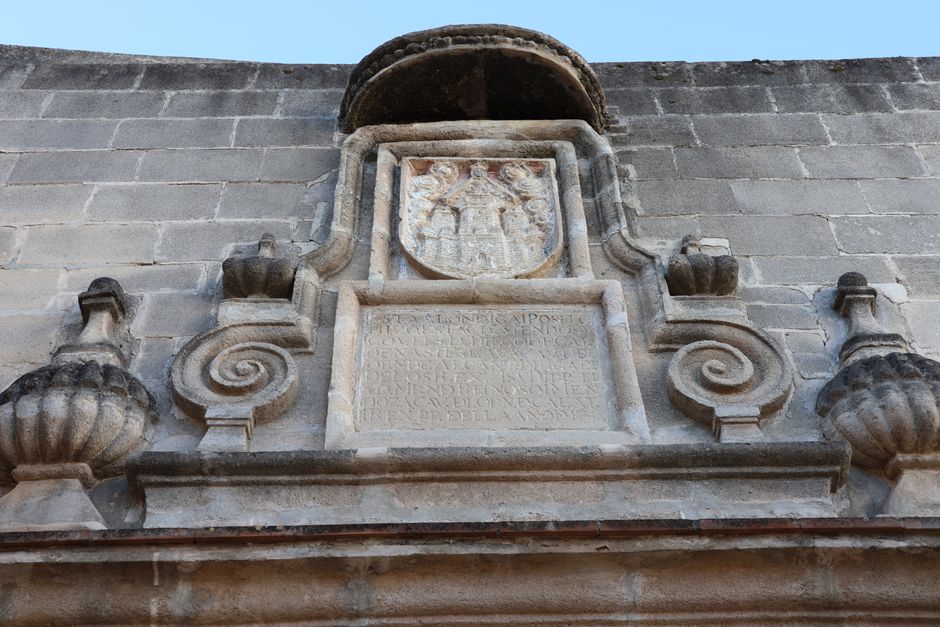
Photo by Fotografías de El Puerto de Santa María on Pexels
At its heart, the Encomienda was a grant from the Spanish Crown to an individual Spaniard (an encomendero). This grant wasn't of land itself, but of the labor and tribute of a specific group of indigenous people living in a particular territory.
Here's a breakdown of the key players and their roles:
- The Spanish Crown: The ultimate authority. The Crown "owned" all land and people in the New World. It granted encomiendas as a reward for service (especially military conquest) and as a means of governing the vast new territories.
- The Encomendero: The recipient of the grant. Typically a conquistador, soldier, or colonist. They were granted the right to demand labor (e.g., in mines, agriculture, construction) or tribute (e.g., gold, foodstuffs, textiles) from the indigenous people.
- Indigenous Populations: The native people living in the designated territory. They were compelled to provide labor or tribute to their encomendero. They were not enslaved in the traditional sense, as they were legally recognized as subjects of the Crown, but their situation was often indistinguishable from forced labor.
- Missionaries/Clergy: Often part of the system, as encomenderos were theoretically obligated to provide religious instruction and Christianize the indigenous people. This often served as a justification for the system.
Intent vs. Reality

Photo by Kampus Production on Pexels
The official intent of the Encomienda system, as articulated by the Crown, was dual-pronged:
- Reward for Service: To compensate conquistadors and settlers for their efforts in colonizing the new territories.
- Christianization and Protection: To facilitate the conversion of indigenous populations to Catholicism and ensure their "protection" from hostile tribes or exploitation, while integrating them into Spanish society.
However, the reality on the ground was starkly different. Distance from Spain, the greed of individual encomenderos, and a severe imbalance of power led to widespread abuses:
- Forced Labor: Indigenous people were often forced to work in harsh conditions, particularly in silver mines (like Potosí), agricultural estates, and construction projects, often without adequate compensation or rest.
- Excessive Tribute: Demands for tribute were often exorbitant, leading to starvation and the breakdown of traditional economies.
- Lack of Protection: Encomenderos frequently failed to provide protection and often actively abused the people under their charge.
- Demographic Collapse: The combination of disease, overwork, malnutrition, and violence contributed significantly to the devastating decline of indigenous populations in the early colonial period.
The Crown periodically tried to reform the system, most notably with the New Laws of 1542, which aimed to curb abuses and eventually abolish the system by preventing encomiendas from being passed down hereditarily. These laws met with fierce resistance from encomenderos and were only partially enforced. Over time, the Encomienda system gradually declined, replaced by other labor systems like the repartimiento and debt peonage, but its legacy of exploitation endured.
Here's a simplified view of the system's structure and the flow of obligations:
graph TD
    A["Spanish Crown"] --> B["Grants Encomienda to:"];
    B --> C["Encomendero (Conquistador/Settler)"];
    C --> D["Demands Labor/Tribute from:"];
    D --> E["Indigenous Population"];
    E --> C; %% Indigenous Population provides labor/tribute to Encomendero
    C --> F["Owes: (Official) Protection & Christian Instruction"];
    C --> G["Owes: (Official) Loyalty & Taxes"];
    G --> A; %% Encomendero owes loyalty/taxes to the Crown
    E --> F; %% Indigenous Population (theoretically) receives protection/instruction
3. Worked Example
Consider the case of a Spanish conquistador, Hernán Cortez, after the fall of Tenochtitlan. He, like many others, was granted numerous encomiendas by the Crown. Let's say he received an encomienda over the indigenous people of a village called "Tlacopan."
Under this grant, the people of Tlacopan were required to:
1. Provide Labor: For instance, 100 men from Tlacopan might be ordered to work in Cortez's newly established silver mine for 30 days every three months. Others might be sent to work on his agricultural estate, growing maize or cochineal.
2. Provide Tribute: The village elders might also be tasked with collecting a certain amount of gold dust, textiles, or cacao beans every six months, to be delivered to Cortez.
In return, Cortez was supposed to:
1. Protect them: From raids by other tribes or rival Spanish factions.
2. Instruct them in the Catholic faith: Ensuring a priest was available to teach them and conduct services.
In reality, Cortez's agents would likely enforce the labor and tribute demands rigorously, often exceeding reasonable limits. The promised protection might be minimal, and the religious instruction could be superficial or coercive. If the people of Tlacopan failed to meet the demands, they could face brutal punishment, further labor, or even displacement, despite their legal status as free subjects of the Crown. This cycle of demand and often violent enforcement became the norm.
4. Key Takeaways
- The Encomienda system granted encomenderos rights to indigenous labor and tribute, not land ownership.
- Its official goals were to reward conquistadors and Christianize Native Americans, but exploitation was rampant.
- Indigenous populations were legally subjects of the Crown, not slaves, but their treatment was often akin to forced servitude.
- The system contributed significantly to the demographic collapse of indigenous societies due to overwork, disease, and abuse.
- The New Laws of 1542 attempted to reform the Encomienda, but met with strong resistance and limited success.
- The Encomienda was a foundational institution of early Spanish colonial rule, shaping labor relations and social hierarchies.
Common Mistakes to Avoid:
- Don't confuse encomienda with outright land ownership; it was a grant of labor and tribute.
- Don't assume the system was universally applied without resistance or variation across regions.
- Avoid thinking of encomenderos as simply "slave owners" – the legal framework was more complex, though the practical outcome was often similar.
- Don't underestimate the role of disease; it interacted synergistically with forced labor to devastate populations.
5. Now Try It
Imagine you are a Spanish colonial official arriving in a newly conquered territory in New Spain in 1550, after the New Laws have been promulgated but are still facing resistance. You need to write a short (200-word) memo to a local encomendero detailing the official expectations of his encomienda grant, specifically highlighting two obligations he owes to the indigenous people under his care, and one restriction placed on him by the Crown's recent reforms.
What success looks like: Your memo clearly states the encomendero's duties regarding protection and religious instruction, and correctly identifies a restriction, such as the non-hereditary nature of the encomienda or the prohibition of excessive demands. The tone should be authoritative but reflect the tension between Crown policy and colonial realities.
Frequently asked about The Encomienda System: Structure and Intent
More from History of Education
Get the full History of Education curriculum
Clone the complete plan to your dashboard for unlimited AI-generated notes, practice quizzes, and a personalised revision schedule.
Save this course free