Foam Formation and Aerated Structures in Cake Making
From the food science and technology curriculum
TL;DR
Foam formation is crucial for light, airy cakes, primarily by incorporating air into liquid ingredients. Proteins, especially from eggs, create stable foams by denaturing and forming a network around air bubbles. This foam structure then sets during baking, giving cakes their desired texture.
1. The Mental Model
Think of foam in cake making like building a tiny, invisible scaffolding with air. You're trapping air bubbles within a liquid, and then stabilizing that structure so it doesn't collapse. This trapped air is what makes your cake light and fluffy instead of dense and heavy.
2. The Core Material
When you beat ingredients like egg whites, you're essentially forcing air into the liquid. This creates a foam, which is a dispersion of gas (air) in a liquid. The goal is to make this foam stable so the air doesn't just escape.
2.1 The Role of Proteins and Surfactants

Photo by Antonio Friedemann on Pexels
The key players in stabilizing these air bubbles are proteins (especially from eggs) and sometimes surfactants (like emulsifiers in some recipes).
* Proteins: When you whisk egg whites, the mechanical energy causes the proteins (like albumin) to denature (unfold). These unfolded proteins then move to the air-water interface, surrounding the air bubbles. They form a thin, elastic film around each bubble, preventing them from coalescing (joining together) and escaping. This film creates a stable foam.
* Surfactants: These are molecules with both water-loving (hydrophilic) and fat-loving (lipophilic) parts. They reduce the surface tension between air and water, making it easier for air bubbles to form and stabilize them, similar to proteins.
2.2 Foam Stability Factors
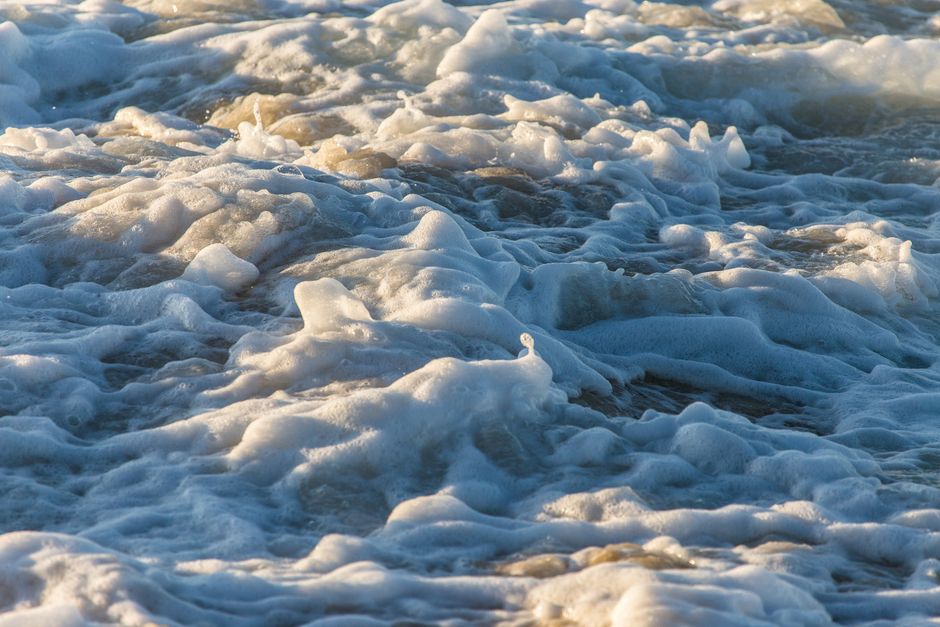
Photo by Bruno Almeida on Pexels
Several factors influence how stable your foam will be:
* Temperature: Egg whites foam best at room temperature because proteins denature more easily.
* Fat: Even a tiny amount of fat (e.g., from yolk or oily utensils) can destabilize egg white foam. Fat interferes with protein film formation by competing for the air-water interface.
* Acid: A small amount of acid (like cream of tartar or lemon juice) can help stabilize egg white foam by slightly lowering the pH. This makes the proteins less soluble, strengthening their network.
* Sugar: Sugar, when added gradually after initial foam formation, helps stabilize the foam. It increases the viscosity of the liquid phase and helps prevent water evaporation from the protein film, making the bubbles stronger and more elastic. It also inhibits protein denaturation if added too early.
* Whipping Speed/Time: Initial slow whipping breaks up proteins, then increasing speed incorporates air efficiently. Over-whipping can lead to dry, brittle foams that collapse.
2.3 From Foam to Aerated Structure
Photo by Tom Fisk on Pexels
Once you've created a stable foam, it's carefully folded into other cake ingredients. During baking, heat causes:
1. Air Expansion: The trapped air bubbles expand, making the cake rise.
2. Protein Coagulation/Starch Gelatinization: The heat sets the protein network (from eggs) and gelatinizes starches (from flour). This rigidifies the structure, locking the expanded air bubbles in place.
3. Water Evaporation: Water turns to steam, further contributing to rise and creating a firm structure.
The result is an aerated structure – a cake with a light, open crumb (the internal texture).
graph TD
    A["Mechanical Action (Whisking)"] --> B["Air Incorporated into Liquid"]
    B --> C{"Proteins & Surfactants Present?"}
    C -- Yes --> D["Proteins Denature"]
    D --> E["Proteins/Surfactants Migrate to Air-Water Interface"]
    E --> F["Stable Elastic Film Around Air Bubbles (Foam Formation)"]
    F --> G["Foam Incorporated into Batter"]
    G --> H["Baking (Heat Application)"]
    H --> I["Air Bubbles Expand"]
    H --> J["Proteins Coagulate & Starch Gelatinizes"]
    I & J --> K["Rigid, Porous Structure Forms"]
    K --> L["Aerated Cake (Light, Fluffy)"]
    C -- No --> M["Unstable Bubbles (Collapse)"]
    M --> N["Dense Cake"]
3. Worked Example
Let's say you're making an angel food cake, which relies almost entirely on egg white foam for its structure.
Scenario: You start with 6 large egg whites (approx. 180g) at room temperature.
1. Initial Whipping: You begin whipping them on medium speed. After about 1-2 minutes, you'll see a frothy, translucent liquid with large, unstable bubbles. Proteins are starting to denature.
2. Acid Addition: You add 1/2 teaspoon of cream of tartar. This slightly acidifies the egg whites, helping to strengthen the protein network as you continue whipping.
3. Soft Peaks: After another 2-3 minutes of whipping, the foam becomes opaque and holds soft peaks – it slumps slightly when you lift the whisk. This is where most of the air is incorporated. The protein film is forming.
4. Gradual Sugar Addition: You then start gradually sprinkling in 150g of superfine sugar, 1-2 tablespoons at a time, while continuing to whip. The sugar dissolves, increasing viscosity and making the foam glossy and elastic.
5. Stiff, Glossy Peaks: After incorporating all the sugar, you continue whipping for a few more minutes until the foam holds stiff, glossy peaks that stand straight up when the whisk is removed. This foam is very stable, with tiny, uniformly distributed air bubbles encased in a strong protein-sugar matrix.
6. Folding and Baking: This stable foam is then gently folded into the dry ingredients. During baking, the heat expands these perfectly stable air bubbles, and the egg proteins coagulate, setting the cake's structure into a wonderfully light and airy angel food cake. If you'd had fat in your bowl, or added sugar too early, the foam wouldn't reach this stable, stiff peak stage.
4. Key Takeaways
- Foam is a dispersion of air in liquid, crucial for cake lightness.
- Egg proteins denature and form elastic films around air bubbles, stabilizing foam.
- Factors like fat, acid, sugar, and temperature significantly impact foam stability.
- Acid helps strengthen egg white foams by optimizing protein interaction.
- Sugar increases foam viscosity and elasticity, making it more resilient.
- During baking, expanding air and setting proteins create the cake's final aerated structure.
- Gentle folding prevents foam collapse when mixing with other ingredients.
Common Mistakes to Avoid:
* Getting fat into egg whites: This is the quickest way to ruin an egg white foam; even a tiny drop can prevent proper foaming.
* Adding sugar too early to egg whites: Sugar inhibits protein denaturation, so add it gradually after initial foam formation.
* Over-whipping egg whites: Results in a dry, brittle foam that's hard to incorporate and can lead to a collapsed cake.
* Not using room temperature eggs: Cold eggs don't foam as well because their proteins are less flexible.
5. Now Try It
Whip two separate batches of egg whites. For the first batch, ensure your bowl and whisk are perfectly clean and fat-free, and add a pinch of cream of tartar after initial frothing, then gradually add sugar. For the second batch, intentionally add a tiny drop of oil (or a speck of egg yolk) to the bowl before whipping, or add all the sugar right at the beginning. Observe and compare the foam formation in both cases. What success looks like is a stiff, glossy, stable foam in the first batch, and a weak, watery, or non-forming foam in the second.
Frequently asked about Foam Formation and Aerated Structures in Cake Making
More from food science and technology
Get the full food science and technology curriculum
Clone the complete plan to your dashboard for unlimited AI-generated notes, practice quizzes, and a personalised revision schedule.
Save this course free