Introduction to Cake Technology and Ingredient Functionality
From the food science and technology curriculum
TL;DR
You'll learn about the science behind making cakes, focusing on how each ingredient plays a specific role in texture, structure, and taste. Understanding these functions lets you troubleshoot baking issues and create better recipes. We'll cover the main ingredients and their individual jobs in the final cake.
1. The Mental Model
Think of cake baking like building a house. Each ingredient is a specific building material – flour is the foundation, eggs are the structural beams, sugar is the decorative finish and some support. If one material is wrong, the whole structure can fall apart or not look right.
2. The Core Material
Making a great cake isn't just following a recipe; it's understanding why each ingredient is there. Each component has a specific job, contributing to the cake's final volume, texture, moistness, and flavor. When you know these roles, you can adapt recipes, fix problems, and even create your own.
Flour: The Structure Builder

Photo by Mahmut yılmaz on Pexels
Flour provides the primary structure of your cake. Its proteins (gluten) develop when mixed with liquid, forming a network that traps air and gives the cake its shape. Different flours have different protein levels:
* Cake flour (low protein) makes tender cakes with fine crumb.
* All-purpose flour (medium protein) is versatile.
* Bread flour (high protein) is generally too strong for cakes, leading to a tough texture.
Sugar: Sweetener, Tenderizer, and Moisturizer
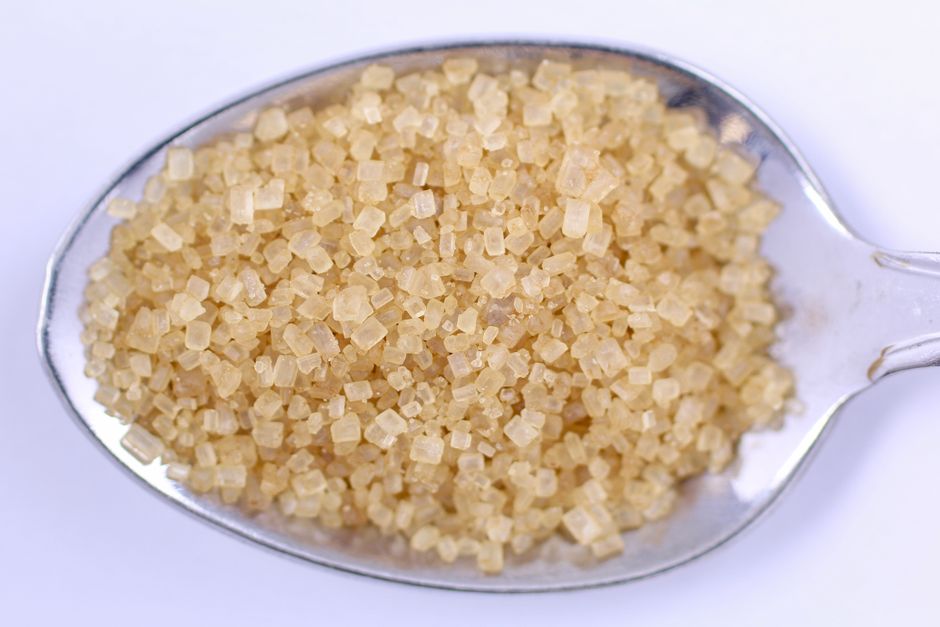
Photo by Marek Ruczaj on Pexels
Sugar does more than just sweeten. It's a "tenderizer" because it interferes with gluten development, making the cake softer. It also attracts and holds moisture, contributing to the cake's moistness and extending its shelf life. On top of that, sugar helps with browning during baking, adding flavor and color to the crust.
Eggs: Emulsifier, Leavener, and Structure
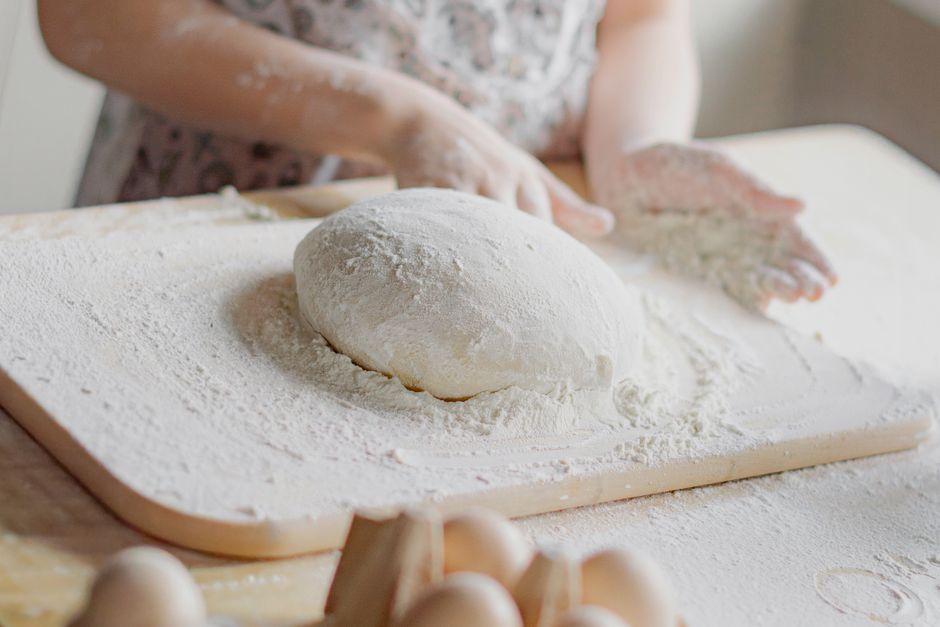
Photo by Kateryna Tartachna on Pexels
Eggs are powerhouse ingredients. They provide structure as their proteins coagulate (set) with heat. Egg whites, when whipped, incorporate air and act as a leavener, adding volume. Egg yolks contain emulsifiers (lecithin) that help blend fats and liquids, creating a smooth, stable batter and preventing separation.
Fats (Butter/Oil): Tenderizer, Flavor, and Moisture
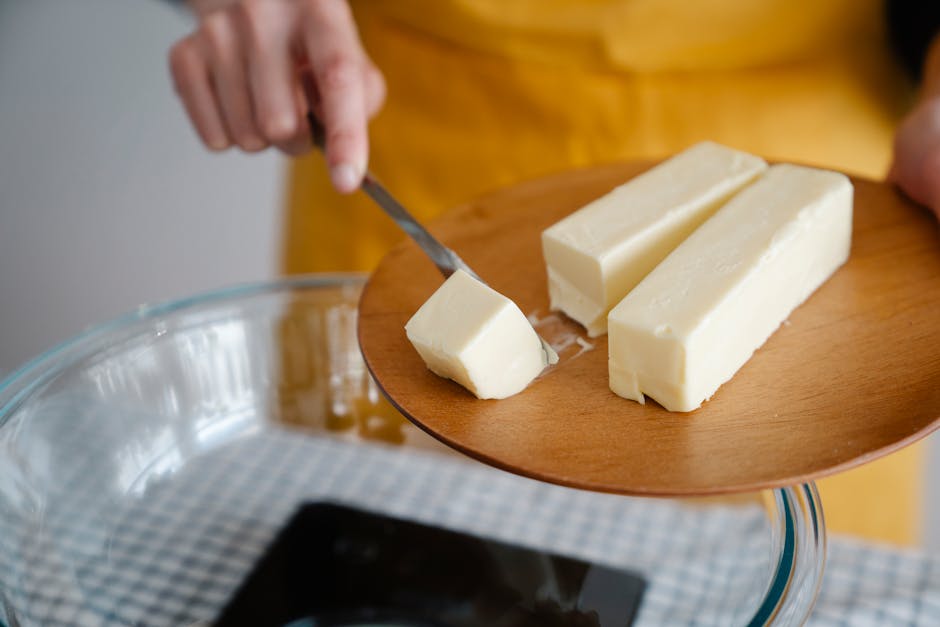
Photo by Felicity Tai on Pexels
Fats like butter or oil add richness, flavor, and tenderness to cakes. They coat gluten strands, shortening them and preventing a tough texture – hence the term "shortening." Fats also help keep the cake moist and can aid in leavening by trapping air when creamed with sugar (like in the creaming method).
Leavening Agents: The Volumizers
Leavening agents are what make cakes rise. They produce gases (usually carbon dioxide) that get trapped in the batter, creating an airy, light texture.
* Baking soda (sodium bicarbonate) needs an acid (like buttermilk, brown sugar, or cocoa) to react and produce gas.
* Baking powder is a complete leavener, containing baking soda, an acid, and a starch filler. It's often "double-acting," meaning it produces gas both when wet and when heated.
Liquids (Milk/Water): Hydration and Activation
Liquids hydrate dry ingredients, allowing gluten to form and starch to gelatinize. They also dissolve sugar and salt, and activate leavening agents. The type of liquid can also contribute flavor and richness (e.g., milk vs. water).
Here's how these ingredients interact to form a cake:
graph TD
    A["Flour (Structure)"] -->|Hydrates & Activates| D["Liquid (Moisture, Solvent)"];
    B["Sugar (Sweetness, Tenderizer, Moisture)"] -->|Interferes with| A;
    C["Eggs (Structure, Emulsifier, Leavener)"] -->|Coagulates & Emulsifies| D;
    E["Fat (Tenderizer, Flavor, Moisture)"] -->|Coats & Tenderizes| A;
    F["Leavening Agents (Rise)"] -->|Reacts with| D;

    A -- "Forms gluten network" --> G["Batter Structure"];
    B -- "Softens structure" --> G;
    C -- "Sets structure" --> G;
    E -- "Shortens gluten, adds richness" --> G;
    F -- "Produces gas, creates air pockets" --> G;

    G --> H["Baked Cake (Volume, Texture, Flavor)"];
3. Worked Example
Let's say you're making a chocolate cake and want it to be extra moist and tender, but also have a good rise.
- Original Recipe: Uses all-purpose flour, granulated sugar, whole eggs, butter, baking soda, and milk.
- Problem: The cake sometimes turns out a bit dry and dense.
- Analysis using Ingredient Functionality:
- All-purpose flour: Might be a bit too strong, contributing to density.
- Granulated sugar: Good for sweetness and basic tenderness.
- Whole eggs: Provide structure and some moisture.
- Butter: Adds flavor and tenderness.
- Baking soda & milk: Baking soda needs an acid. Milk is slightly acidic but might not be enough for maximum lift.
- Dryness: Could be due to flour protein level or insufficient moisture retention.
- Proposed Changes:
- Flour: Replace half of the all-purpose flour with cake flour. This lowers the overall protein, leading to a more tender and finer crumb.
- Sugar: Use a mix of granulated sugar and brown sugar. Brown sugar is slightly acidic and contains molasses, which adds moisture and contributes to tenderness and depth of flavor.
- Liquid/Leavener: Replace milk with buttermilk. Buttermilk is acidic, which reacts strongly with baking soda, ensuring a vigorous rise and contributing to a moist crumb.
- Fat: Ensure butter is at room temperature for better creaming, which incorporates more air for a lighter texture. Consider adding a small amount of oil for extra moisture (oil stays liquid at room temperature, while butter solidifies, making oil-based cakes often perceived as moister).
By understanding the role of each ingredient, you can make informed substitutions and adjustments to achieve your desired cake characteristics.
4. Key Takeaways
- Flour provides the main structure of the cake through its gluten proteins.
- Sugar sweetens, tenderizes by interfering with gluten, and retains moisture.
- Eggs add structure, emulsify fats and liquids, and can contribute to leavening.
- Fats tenderize the cake, add flavor, and keep it moist.
- Leavening agents (baking soda, baking powder) create gas for the cake to rise.
- Liquids hydrate ingredients and activate leavening agents.
- Changing one ingredient can significantly impact the final cake's texture and structure.
Common Mistakes to Avoid:
* Overmixing: Develops too much gluten, leading to a tough cake.
* Incorrect ingredient measurements: Even small changes can throw off the balance.
* Using cold ingredients: Especially butter and eggs, which don't emulsify or cream properly.
* Ignoring oven temperature: Too hot or too cold can affect rise and texture.
5. Now Try It
Choose a simple vanilla or chocolate cake recipe you like. Before you bake, identify the specific function of each major ingredient (flour, sugar, eggs, fat, leavening, liquid) in that recipe. Then, brainstorm one small, intentional change you could make (e.g., swapping a portion of all-purpose flour for cake flour, or replacing milk with buttermilk) and predict what effect that change would have on the final cake's texture, moistness, or rise.
Success looks like: You can confidently explain the role of at least five different ingredients in your chosen recipe and accurately predict the outcome of a simple ingredient substitution.
Frequently asked about Introduction to Cake Technology and Ingredient Functionality
More from food science and technology
Get the full food science and technology curriculum
Clone the complete plan to your dashboard for unlimited AI-generated notes, practice quizzes, and a personalised revision schedule.
Save this course free