Introduction to Mapeh: Cultural Expression and Heritage
From the Mapeh curriculum
TL;DR
MAPEH stands for Music, Arts, Physical Education, and Health, each a vital part of your overall development. It helps you understand and appreciate your culture and heritage through creative expression and healthy living. Learning MAPEH allows you to explore who you are and where you come from.
1. The Mental Model
Think of MAPEH as a toolbox for life. Each tool—Music, Arts, PE, Health—helps you build skills, express yourself, and understand the rich tapestry of your culture and well-being. It's all about connecting with yourself and the world around you.
2. The Core Material
MAPEH isn't just a collection of subjects; it's an integrated approach to learning that helps you grow in many ways. It focuses on your holistic development, meaning it looks at you as a whole person – your mind, body, and emotions.
What Does MAPEH Stand For?
Photo by Regan Dsouza on Pexels
- Music: This isn't just about singing or playing instruments. It's about understanding how music reflects culture, history, and emotions. You'll learn about different musical forms, instruments, and the stories they tell.
- Arts: Arts covers visual arts (like drawing, painting, sculpture), performing arts (like dance, drama), and even literary arts. It's a way to express ideas, feelings, and interpret the world through creative means. Art often preserves and showcases cultural heritage.
- Physical Education (PE): This is all about keeping your body healthy and active. You'll learn about different sports, exercises, and how to maintain a healthy lifestyle. PE also teaches teamwork, discipline, and fair play.
- Health: This component focuses on your overall well-being – physical, mental, emotional, and social health. You'll learn about nutrition, disease prevention, safety, and making positive life choices.
Cultural Expression and Heritage
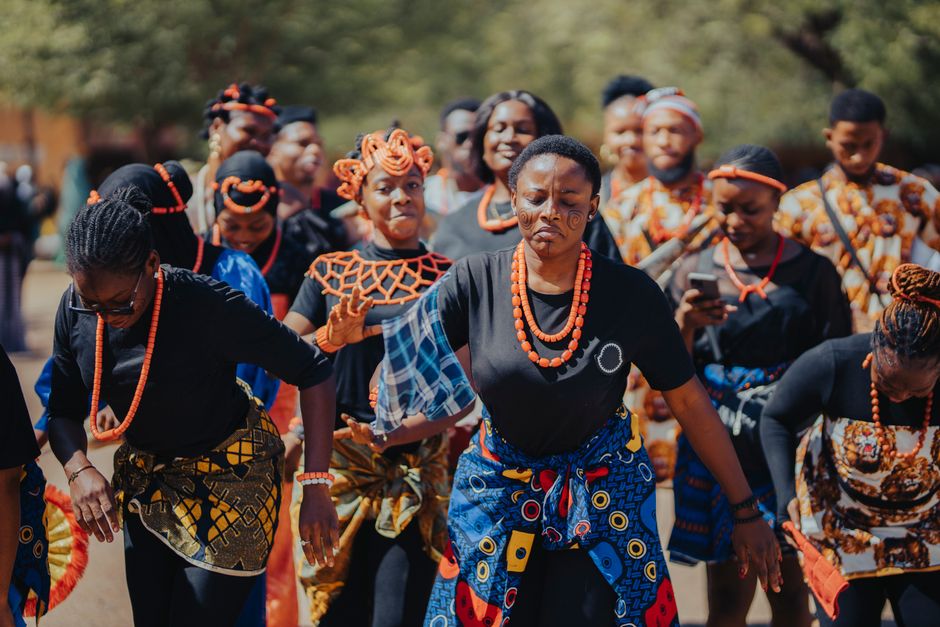
Photo by Skylight Views on Pexels
MAPEH is a powerful way to explore and celebrate cultural expression and heritage.
- Cultural Expression: This is how people show their culture through actions, creations, and traditions. Think about a traditional dance, a folk song, a unique piece of art, or even the way food is prepared. These are all forms of cultural expression.
- Heritage: This refers to the traditions, customs, artifacts, and places that have been passed down from previous generations. It's what we inherit from our ancestors and what makes our community unique. Heritage gives us a sense of identity and belonging.
Through MAPEH, you'll see how these elements are intertwined:
graph TD
    A["Music"] --> C["Cultural Expression (e.g., Folk Songs)"]
    B["Arts"] --> C
    PE["Physical Education (e.g., Traditional Games)"] --> C
    H["Health (e.g., Traditional Healing Practices)"] --> C
    C --> D["Preserves Heritage"]
    D --> E["Shapes Identity"]
    E --> A
    E --> B
    E --> PE
    E --> H
This diagram shows you how each part of MAPEH contributes to cultural expression, which in turn helps preserve heritage and shape identity. It's a continuous cycle. For example, traditional dances (Arts/PE) are cultural expressions that preserve the heritage of a community and contribute to their unique identity.
3. Worked Example
Let's consider a traditional Filipino folk dance like the Tinikling.
- Music: The dance is performed to specific rhythmic music, often played on traditional instruments, setting the mood and pace. This music is a cultural expression that reflects Filipino musical heritage.
- Arts: The dance itself is a performing art. The movements, costumes, and storytelling within the dance are artistic expressions. The intricate footwork between bamboo poles requires skill and artistry.
- Physical Education: Performing the Tinikling requires coordination, balance, and stamina. It's a physical activity that showcases agility and rhythm, demonstrating physical prowess.
- Health: While not directly about nutrition or disease, the physical activity promotes cardiovascular health and strengthens muscles. The cultural importance of the dance can also contribute to mental and social well-being by fostering community and pride.
The Tinikling isn't just a dance; it's a vibrant cultural expression that embodies Filipino heritage, showcasing its music, artistic tradition, and physical vitality.
4. Key Takeaways
- MAPEH stands for Music, Arts, Physical Education, and Health, and it promotes your holistic development.
- Music allows you to understand emotions, history, and cultural narratives through sound.
- Arts provides creative outlets to express ideas and preserve cultural traditions visually and through performance.
- Physical Education keeps your body healthy and teaches important life skills like teamwork and discipline.
- Health focuses on your overall well-being, covering physical, mental, emotional, and social aspects.
- Cultural expression is how a society manifests its unique identity through various forms like music, art, and traditions.
- Heritage encompasses the valuable customs, traditions, and artifacts passed down through generations, shaping who you are.
Common mistakes to avoid:
- Don't see MAPEH as just separate subjects; recognize how they all connect.
- Don't dismiss the arts or music as less important than academic subjects; they are crucial for well-rounded development.
- Don't think PE is just about playing sports; it's about lifelong health and physical literacy.
- Don't ignore the cultural aspects; understanding them enriches your learning experience.
5. Now Try It
Think about a festival or tradition in your own community or family. List three ways it demonstrates cultural expression and connects to your heritage. Then, for each of those three ways, identify which part of MAPEH (Music, Arts, PE, or Health) it primarily relates to.
What success looks like: You'll have three clear examples of cultural expression from a local tradition, each correctly linked to one or more MAPEH components. For instance, "The traditional food served (Health) is a cultural expression that connects to our family's heritage of hospitality."
Frequently asked about Introduction to Mapeh: Cultural Expression and Heritage
Study this next
Get the full Mapeh curriculum
Clone the complete plan to your dashboard for unlimited AI-generated notes, practice quizzes, and a personalised revision schedule.
Save this course free