"Advanced finishes: resilient, hard, soft, specialty applications (e.g., acoustical, anti-microbial)",
From the details for interiors curriculum
TL;DR
Interior finishes go beyond basic aesthetics, offering specific performance benefits categorized into resilient, hard, and soft surfaces. Specialty finishes like acoustical or anti-microbial treatments provide enhanced functionality for particular environments. Choosing the right finish depends on a project's functional needs, maintenance requirements, and aesthetic goals.
1. The Mental Model
Think of finishes as the "skin" of a building's interior, each with unique properties that protect, perform, and please. Just as skin types vary, so do finishes, from tough, low-maintenance surfaces to plush, sound-absorbing ones, each serving a specific purpose.
2. The Core Material
Interior finishes are crucial for both aesthetics and performance. We can broadly classify them into resilient, hard, and soft categories, plus specialty applications that offer advanced functions. Understanding these helps you choose the best material for a space's specific needs.
2.1 Resilient Finishes

Photo by Curtis Adams on Pexels
These are typically flexible, durable, and return to their original shape after impact, making them comfortable underfoot and able to withstand heavy traffic.
- Characteristics: Durable, water-resistant, relatively low maintenance, good acoustics, comfortable.
- Examples:
- Vinyl (LVT/LVP): Very popular, mimics wood/stone, durable, water-resistant, great for high-traffic areas like commercial kitchens, healthcare, and retail.
- Linoleum: Natural materials (linseed oil, wood flour), biodegradable, anti-static, anti-bacterial. Good for healthcare, education.
- Rubber: Excellent shock absorption, slip resistance, sound dampening. Often used in gyms, healthcare, and industrial settings.
- Cork: Natural, soft, warm, excellent sound and thermal insulation. Good for residential, libraries, and offices.
2.2 Hard Finishes

Photo by Shoud Al Shital on Pexels
These finishes are typically rigid, very durable, and often used for their longevity, aesthetic appeal, and resistance to wear.
- Characteristics: Extremely durable, long lifespan, often higher initial cost, can be cold/hard underfoot, may require specialized installation.
- Examples:
- Stone (Granite, Marble, Quartzite): Luxurious, very durable, unique patterns, can be porous (requiring sealing). Used for countertops, flooring, wall cladding.
- Ceramic/Porcelain Tile: Extremely durable, water-resistant, wide range of aesthetics, easy to clean. Ideal for bathrooms, kitchens, high-traffic commercial areas.
- Concrete: Industrial aesthetic, extremely durable, can be polished, stained, or epoxy-coated. Popular for flooring, countertops.
- Wood (Hardwood, Engineered Wood): Warm, classic aesthetic, durable, can be refinished. Used for flooring, wall panels.
2.3 Soft Finishes
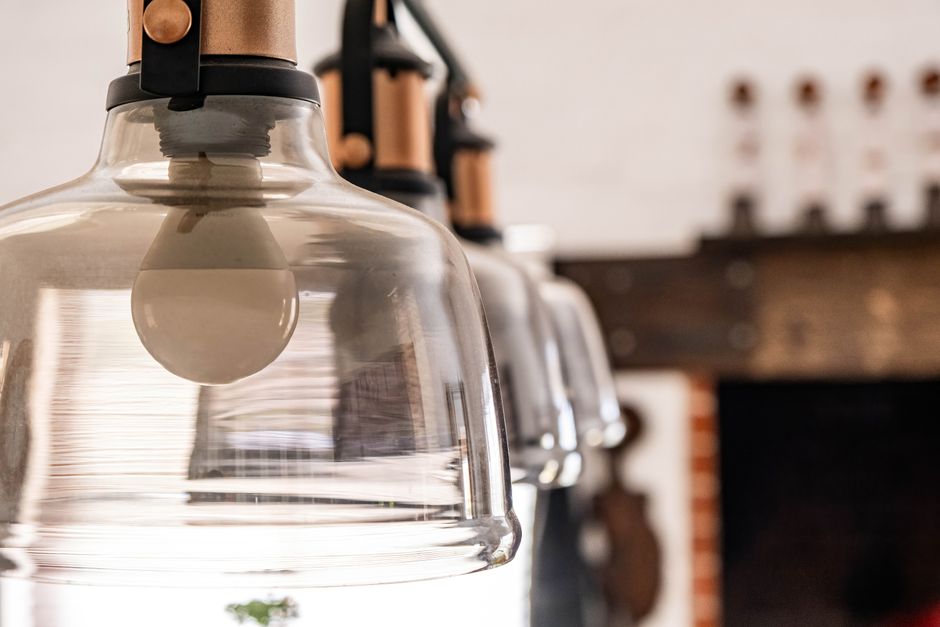
Photo by Cameron Basson on Pexels
These finishes are characterized by their plushness, sound-absorbing qualities, and comfort.
- Characteristics: Excellent acoustics, comfort, warmth, aesthetic variety, can be high maintenance (stains, wear).
- Examples:
- Carpet/Carpet Tile: Excellent sound absorption, thermal insulation, comfort. Widely used in offices, hotels, residential. Carpet tiles offer flexibility for replacement.
- Textile Wall Coverings: Add texture, warmth, and improve acoustics. Used in hospitality, offices, residential.
- Upholstery Fabrics: For furniture, contributing to comfort and aesthetics.
2.4 Specialty Applications
Photo by 🇻🇳🇻🇳 Việt Anh Nguyễn 🇻🇳🇻🇳 on Pexels
These finishes provide enhanced functionality beyond basic aesthetics and durability, addressing specific performance needs.
- Acoustical Finishes: Designed to absorb sound, reducing reverberation and noise.
- Examples: Acoustical panels (wall/ceiling), sprayed acoustical plaster, certain carpet types, perforated wood or metal panels with backing. Essential in open-plan offices, theaters, recording studios, classrooms.
- Anti-Microbial Finishes: Incorporate agents that inhibit the growth of bacteria, mold, and mildew.
- Examples: Paints, coatings, floorings (e.g., specific vinyl or linoleum), fabrics treated with anti-microbial additives. Crucial in healthcare, food service, laboratories, and high-hygiene environments.
- Anti-Static Finishes: Prevent the buildup of static electricity.
- Examples: Specific carpet, rubber, or vinyl floorings designed to dissipate static charges. Important in data centers, server rooms, electronics manufacturing.
- Fire-Rated Finishes: Materials treated or manufactured to resist fire spread and smoke development.
- Examples: Fire-rated paints, wall panels, doors. Essential for code compliance and safety in all commercial and many residential buildings.
- Light-Reflective Finishes: Enhance natural or artificial light, improving illumination and potentially reducing energy costs.
- Examples: High-gloss paints, polished metals, light-colored or mirrored surfaces. Often used in corridors, basements, or areas needing more brightness.
Here's a breakdown of how you might select a finish based on its primary benefit:
graph TD
    A["Project Needs"] --> B{"Primary Requirement?"}

    B -- "Durability / Traffic" --> C{"Hardness / Resilience?"}
    C -- "High Impact/Water" --> D["Hard Finishes (Tile, Stone, Concrete)"]
    C -- "Comfort/Flexibility" --> E["Resilient Finishes (Vinyl, Rubber, Cork)"]

    B -- "Sound Control" --> F["Acoustical Finishes (Panels, Carpet)"]
    B -- "Hygiene/Health" --> G["Anti-Microbial Finishes (Healthcare Flooring, Paint)"]
    B -- "Comfort/Aesthetics" --> H["Soft Finishes (Carpet, Textiles)"]
    B -- "Safety/Code" --> I["Fire-Rated Finishes"]
    B -- "Light/Energy" --> J["Light-Reflective Finishes"]
3. Worked Example
Let's design a finish scheme for a new hospital waiting room.
Challenge: The space needs to be welcoming, easy to clean, highly durable, and minimize noise for patient comfort.
Solution:
- Flooring: Given high foot traffic, frequent cleaning needs, and hygiene concerns, a resilient anti-microbial vinyl sheet flooring is ideal. It's seamless, preventing bacterial growth in grout lines, offers some underfoot comfort, and is incredibly durable.
- Walls: For durability and aesthetics, a combination is best. High-traffic lower walls (up to 4 feet) could use hard-wearing washable wallcovering or a high-durability paint with anti-microbial properties. Upper walls could use acoustic wall panels to absorb sound, perhaps featuring integrated art or calming textures.
- Ceiling: A suspended acoustical tile ceiling is essential to further absorb sound, reducing the echo often found in large, hard-surfaced spaces. These tiles can also hide HVAC and lighting.
- Furniture: Upholstered seating should use soft, anti-microbial, and fluid-resistant fabrics for comfort and hygiene, paired with durable, easy-to-clean hard surfaces for armrests or tables.
This combination addresses all the key challenges: durability (vinyl, hard wallcovering), hygiene (anti-microbial properties), and acoustics (vinyl, acoustical wall/ceiling panels).
4. Key Takeaways
- Resilient finishes like LVT/LVP and rubber offer durability, comfort, and moisture resistance, ideal for high-traffic and wet areas.
- Hard finishes such as tile, stone, and concrete provide extreme durability, longevity, and often a high-end aesthetic.
- Soft finishes, including carpet and textile wall coverings, excel at improving acoustics, warmth, and comfort.
- Specialty finishes (acoustical, anti-microbial, anti-static) address specific functional demands, crucial for health, safety, and performance.
- The choice of finish is driven by the specific demands of the space, including traffic, hygiene, noise control, and budget.
- Always consider a finish's maintenance requirements and long-term cost, not just its initial price.
- Layering different finishes (e.g., hard flooring with soft acoustical panels) can achieve multiple functional and aesthetic goals.
Common Mistakes to Avoid:
- Underestimating Traffic: Using a low-durability finish in a high-traffic area will lead to premature wear and replacement.
- Ignoring Acoustics: Failing to consider sound absorption in large, hard-surfaced spaces can result in uncomfortable and noisy environments.
- Overlooking Maintenance: Selecting finishes that are difficult or expensive to clean for high-use or hygiene-critical areas.
- Disregarding Code Requirements: Not checking fire ratings, slip resistance, or accessibility standards for specific applications.
5. Now Try It
Choose a specific room type (e.g., a bustling university library, a high-end restaurant kitchen, or a child's playroom). List three different areas within that room (e.g., floor, walls, ceiling, specific furniture elements). For each area, select one advanced finish discussed above and briefly justify your choice based on its specific characteristics and the room's needs.
What success looks like: You'll have identified appropriate advanced finishes for diverse applications within your chosen room, demonstrating an understanding of their functional benefits beyond just aesthetics.
Frequently asked about "Advanced finishes: resilient, hard, soft, specialty applications (e.g., acoustical, anti-microbial)",
More from details for interiors
Get the full details for interiors curriculum
Clone the complete plan to your dashboard for unlimited AI-generated notes, practice quizzes, and a personalised revision schedule.
Save this course free