Introduction to Attention-Deficit/Hyperactivity Disorder (ADHD)
From the BHS275 curriculum
TL;DR
ADHD is a neurodevelopmental disorder characterized by persistent patterns of inattention and/or hyperactivity-impulsivity that interfere with functioning or development. It's diagnosed through specific criteria outlined in diagnostic manuals like the DSM-5-TR, considering symptoms across multiple settings and over time. Understanding ADHD involves recognizing its diverse presentations, common co-occurring conditions, and the importance of a comprehensive assessment for effective management.
1. The Mental Model
Think of ADHD as a difference in brain function, particularly in areas related to executive functions like attention, impulse control, and regulation. It's not a choice or a lack of effort, but rather a consistent challenge in managing these functions that affects daily life across various settings.
2. The Core Material
ADHD is one of the most commonly diagnosed neurodevelopmental disorders in childhood, often persisting into adulthood. Its core features involve difficulties with attention, controlling impulses, and regulating activity levels.
2.1 Core Symptoms: Inattention, Hyperactivity, and Impulsivity

Photo by Tara Winstead on Pexels
The diagnostic criteria for ADHD are typically divided into two main symptom domains:
-
Inattention:
- Difficulty sustaining attention in tasks or play activities.
- Often doesn't seem to listen when spoken to directly.
- Fails to give close attention to details or makes careless mistakes.
- Often has difficulty organizing tasks and activities.
- Avoids, dislikes, or is reluctant to engage in tasks that require sustained mental effort.
- Is often easily distracted by extraneous stimuli.
- Is often forgetful in daily activities.
-
Hyperactivity and Impulsivity:
- Hyperactivity:
- Fidgets with or taps hands or feet, or squirms in seat.
- Often leaves seat in situations when remaining seated is expected.
- Runs about or climbs in situations where it is inappropriate (in adolescents or adults, may be limited to feeling restless).
- Is often unable to play or engage in leisure activities quietly.
- Is often "on the go," acting as if "driven by a motor."
- Talks excessively.
- Impulsivity:
- Often blurts out an answer before a question has been completed.
- Often has difficulty waiting for their turn.
- Often interrupts or intrudes on others.
- Hyperactivity:
2.2 Diagnostic Subtypes (Presentations)

Photo by Marta Branco on Pexels
Based on the predominant symptoms experienced over the past 6 months, ADHD is categorized into three presentations:
- Combined Presentation: Enough symptoms of both inattention and hyperactivity-impulsivity are present.
- Predominantly Inattentive Presentation: Enough symptoms of inattention are present, but not enough of hyperactivity-impulsivity.
- Predominantly Hyperactive/Impulsive Presentation: Enough symptoms of hyperactivity-impulsivity are present, but not enough of inattention.
2.3 Diagnostic Criteria and Assessment
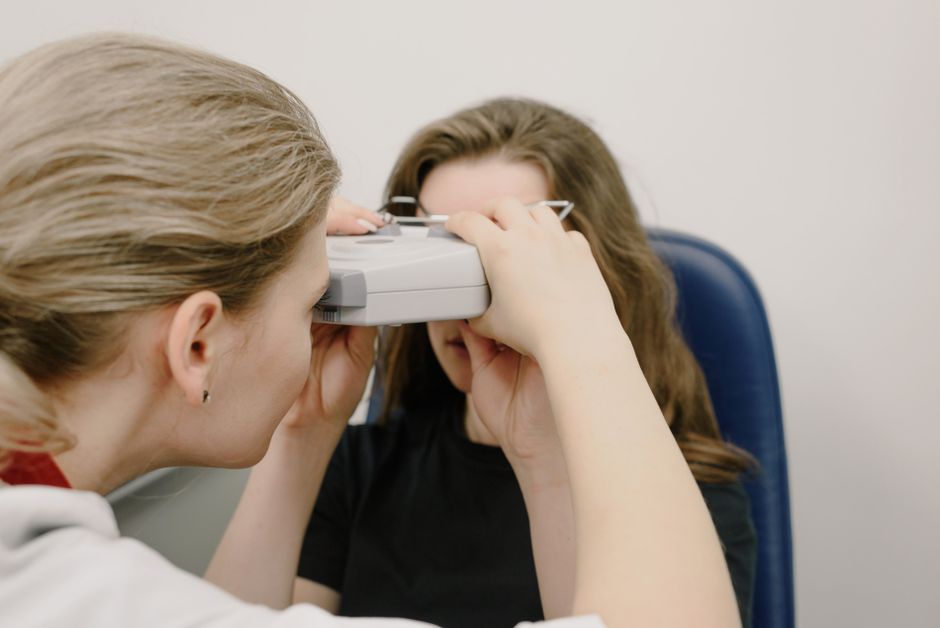
Photo by Ksenia Chernaya on Pexels
Diagnosing ADHD is not about a single test but a comprehensive evaluation that considers several factors as outlined in the DSM-5-TR (Diagnostic and Statistical Manual of Mental Disorders, Fifth Edition, Text Revision):
- Symptom Count: A certain number of symptoms (e.g., six or more for children up to age 16, five or more for adolescents and adults) from one or both categories must be present.
- Duration: Symptoms must have persisted for at least 6 months.
- Onset: Several inattentive or hyperactive-impulsive symptoms must have been present before age 12 years.
- Impairment: Clear evidence that the symptoms interfere with, or reduce the quality of, social, academic, or occupational functioning.
- Settings: Symptoms must be present in two or more settings (e.g., at home, school/work, with friends/relatives, in other activities).
- Exclusion: Symptoms are not better explained by another mental disorder.
The assessment typically involves:
* Interviews with the individual and their caregivers/teachers.
* Behavior rating scales (e.g., Conners Rating Scales, ADHD Rating Scale-5).
* Review of developmental, medical, and family history.
* Academic or occupational performance reviews.
graph TD
    A[Initial Concern/Referral] --> B{Gather Information};
    B --> C[Interviews: Individual, Parents/Caregivers, Teachers];
    B --> D[Behavior Rating Scales: Conners, ADHD-RS-5];
    B --> E[Review History: Developmental, Medical, Family, Academic];
    C & D & E --> F{Evaluate DSM-5-TR Criteria};
    F --> G{Are Symptoms Present in 2+ Settings?};
    G -- Yes --> H{Do Symptoms Cause Significant Impairment?};
    H -- Yes --> I{Were Symptoms Present Before Age 12?};
    I -- Yes --> J{Rule Out Other Conditions};
    J -- Yes --> K[ADHD Diagnosis];
    J -- No --> L[Consider Other Diagnoses/Referrals];
    K --> M[Develop Treatment Plan];
    G -- No --> L;
    H -- No --> L;
    I -- No --> L;
2.4 Co-occurring Conditions

Photo by Jan van der Wolf on Pexels
ADHD rarely occurs in isolation. Many individuals with ADHD also experience other conditions, which can complicate diagnosis and treatment. Common co-occurring conditions include:
- Anxiety Disorders: Generalized anxiety, social anxiety, panic disorder.
- Depressive Disorders: Major depressive disorder, persistent depressive disorder.
- Learning Disorders: Dyslexia, dyscalculia.
- Oppositional Defiant Disorder (ODD) / Conduct Disorder (CD): Behavioral problems.
- Autism Spectrum Disorder (ASD): Overlap in executive function challenges.
- Substance Use Disorders: Particularly in adulthood.
- Sleep Disorders.
These co-occurring conditions must also be identified and addressed for comprehensive management.
3. Worked Example
Let's consider a student, Maya, aged 10, who was referred for an ADHD assessment.
Observations:
* Teacher reports: Maya frequently "zones out" during lessons, struggles to finish assignments on time, loses her pencil case almost daily, and often calls out answers without raising her hand. Her work is often messy with careless errors despite understanding the material. These issues have been ongoing since first grade.
* Parent reports: At home, Maya struggles to complete chores, often forgets instructions, and has difficulty staying focused on homework unless closely supervised. She also tends to interrupt conversations and has trouble waiting her turn in games. Her room is consistently disorganized.
* Clinical interview with Maya: She describes feeling "bored easily" and says her "brain goes too fast" sometimes, making it hard to concentrate. She acknowledges forgetting things often.
Applying DSM-5-TR Criteria:
* Inattention: Maya shows at least 6 symptoms (e.g., difficulty sustaining attention, doesn't listen, loses things, difficulty organizing, easily distracted, forgetful).
* Hyperactivity/Impulsivity: Maya shows at least 6 symptoms (e.g., blurts out answers, difficulty waiting turn, interrupts others, "on the go" reported by parents).
* Onset: Symptoms reported since first grade (well before age 12).
* Settings: Symptoms observed at home and at school (two settings).
* Impairment: Her academic performance is impacted, and social interactions are sometimes strained by interruptions.
* Exclusion: No other mental health condition fully explains the symptoms.
Based on this, Maya would likely be diagnosed with ADHD, Combined Presentation.
4. Key Takeaways
- ADHD is a neurodevelopmental condition affecting attention, hyperactivity, and impulsivity, not a behavioral choice.
- Diagnosis requires meeting specific criteria from the DSM-5-TR across multiple settings and over time.
- The three presentations are Predominantly Inattentive, Predominantly Hyperactive/Impulsive, and Combined.
- A comprehensive assessment involves multiple information sources, not just one test.
- Co-occurring conditions are common and can significantly impact the individual's experience.
- Symptoms must cause significant impairment in daily functioning to warrant a diagnosis.
Common Mistakes to Avoid:
- Don't assume poor grades or disruptive behavior automatically mean ADHD; other factors could be at play.
- Don't rely on a single source of information (e.g., only parent report) for diagnosis.
- Avoid diagnosing based solely on symptom presentation in one environment, like only at school.
- Don't dismiss adult ADHD symptoms, as it often persists and presents differently than in childhood.
5. Now Try It
For each statement below, determine if it is True or False regarding the introduction to ADHD. Then, answer the short questions.
Statements:
1. ADHD is primarily a behavioral disorder that children eventually outgrow.
2. The DSM-5-TR requires symptoms to be present in at least two settings for an ADHD diagnosis.
3. A child diagnosed with Predominantly Inattentive Presentation would also show significant hyperactivity-impulsivity symptoms.
4. For an ADHD diagnosis, several symptoms must have been present before the age of 12.
5. A single blood test can definitively diagnose ADHD.
Questions:
1. List three common co-occurring conditions with ADHD.
2. Explain why a comprehensive assessment is crucial for diagnosing ADHD, rather than just relying on a checklist.
What success looks like: You'll correctly identify the true/false statements and provide accurate, concise answers to the questions, demonstrating your understanding of core ADHD concepts, diagnostic requirements, and the complexity of assessment.
Frequently asked about Introduction to Attention-Deficit/Hyperactivity Disorder (ADHD)
Study this next
Get the full BHS275 curriculum
Clone the complete plan to your dashboard for unlimited AI-generated notes, practice quizzes, and a personalised revision schedule.
Save this course free