The Hydrologic Cycle and Water Management
From the FRESHWATER curriculum
TL;DR
The hydrologic cycle describes how water moves continuously through Earth's atmosphere, land, and oceans. Understanding this cycle is crucial for effective water management, which involves planning and distributing water resources sustainably. Our actions significantly impact the natural water cycle, making responsible management essential for both human needs and ecosystem health.
1. The Mental Model
Think of the hydrologic cycle as Earth's giant, continuous water recycling system. Water evaporates, forms clouds, falls as precipitation, and then flows across or soaks into the ground, eventually returning to bodies of water to start the process again. Water management is essentially how we try to wisely use and protect this constantly moving resource.
2. The Core Material
The hydrologic cycle, also known as the water cycle, is the continuous movement of water on, above, and below the surface of the Earth. It's a fundamental process that drives weather patterns, shapes landscapes, and sustains all life.
Key Processes of the Hydrologic Cycle:
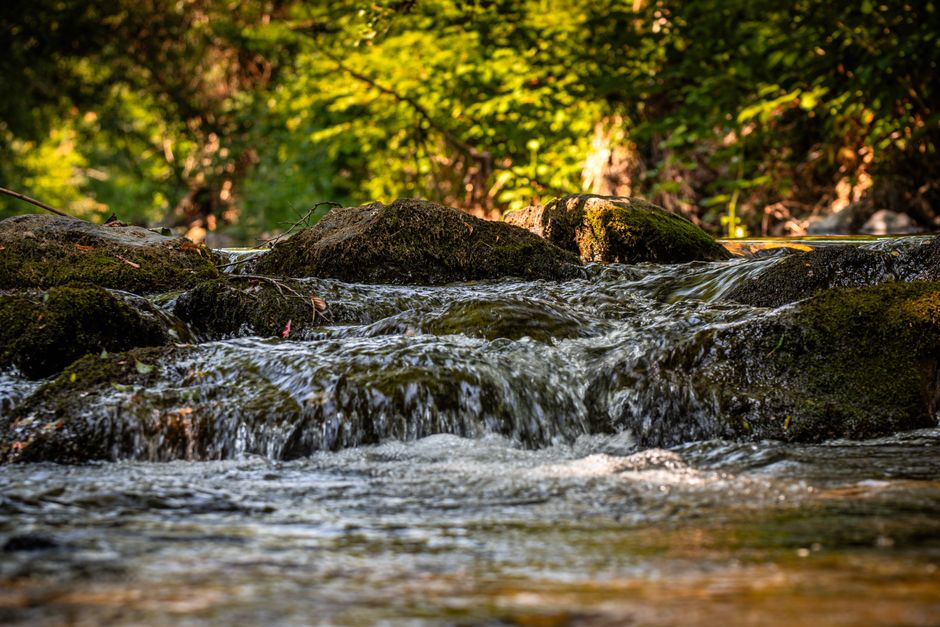
Photo by Karlheinz Strohmaier on Pexels
- Evaporation: This is when liquid water turns into water vapor and rises into the atmosphere. The sun's energy primarily drives this from oceans, lakes, and rivers.
- Transpiration: Similar to evaporation, but it's the process by which plants release water vapor into the atmosphere through their leaves. Combined with evaporation, it's often called evapotranspiration.
- Condensation: As water vapor rises, it cools and changes back into tiny liquid water droplets or ice crystals, forming clouds.
- Precipitation: When these water droplets or ice crystals in clouds grow large enough, they fall back to Earth as rain, snow, sleet, or hail.
- Runoff: Water that flows over the land surface after precipitation. It can flow into streams, rivers, lakes, and eventually oceans.
- Infiltration/Percolation: Water that soaks into the ground. Infiltration is the entry of water into the soil, and percolation is its downward movement through soil and rock layers to become groundwater.
- Groundwater Flow: Water stored underground in aquifers moves slowly through permeable rock and soil.
- Storage: Water can be stored for varying lengths of time in oceans, lakes, glaciers, snowpacks, groundwater, and the atmosphere.
Water Management Principles:

Photo by Kris Møklebust on Pexels
Water management involves planning, developing, distributing, and managing the optimum use of water resources. It's about balancing human needs (drinking, agriculture, industry) with environmental requirements.
- Supply Management: Focuses on increasing the amount of water available, often through building dams, reservoirs, or desalination plants.
- Demand Management: Aims to reduce water use through conservation efforts, efficiency improvements (e.g., drip irrigation), and pricing strategies.
- Water Quality Management: Protecting water sources from pollution and ensuring water is safe for its intended use.
- Integrated Water Resources Management (IWRM): A holistic approach that promotes the coordinated development and management of water, land, and related resources to maximize economic and social welfare without compromising the sustainability of vital ecosystems. This often involves multiple stakeholders and considers the entire watershed.
Here's how the different components of the hydrologic cycle connect:
graph TD
    A["Solar Energy"] --> B["Evaporation (from water bodies)"]
    A --> C["Transpiration (from plants)"]
    B --> D["Atmospheric Water Vapor"]
    C --> D
    D --> E["Condensation (Cloud Formation)"]
    E --> F["Precipitation (Rain, Snow)"]
    F --> G["Surface Runoff"]
    F --> H["Infiltration/Percolation"]
    G --> I["Rivers & Lakes"]
    H --> J["Groundwater Storage"]
    I --> K["Oceans"]
    J --> K
    K --> B
    J --> I
3. Worked Example
Imagine a small town, Riverbend, that gets its water from a local river fed by snowmelt from nearby mountains. During a dry summer, the snowpack is much smaller than usual, leading to lower river levels.
- Hydrologic Cycle Impact: Less precipitation (snow) means less water stored as snowpack, leading to reduced runoff into the river. Evapotranspiration might also be higher due to warmer temperatures, further reducing available surface water.
- Water Management Response:
- Demand Management: The town implements mandatory water restrictions (e.g., no lawn watering, shorter showers) to reduce overall water consumption. They also run public awareness campaigns on water conservation.
- Supply Management (short-term): They might temporarily draw more water from a deeper groundwater well if available, but this is carefully monitored to prevent aquifer depletion.
- Long-term Planning (IWRM): The town council starts planning for future droughts. This could include investing in more efficient irrigation systems for local agriculture, exploring rainwater harvesting for non-potable uses, and even researching potential for wastewater recycling. They might also work with upstream communities to manage water releases.
This example shows how understanding the natural water cycle (less snow = less river water) directly informs management decisions to ensure the town has enough water.
4. Key Takeaways
- The hydrologic cycle is Earth's continuous water movement system, driven primarily by solar energy.
- Key processes include evaporation, condensation, precipitation, runoff, and infiltration.
- Water management aims to balance human water needs with ecosystem health and water availability.
- Supply management increases water availability, while demand management reduces usage.
- Integrated Water Resources Management (IWRM) is a holistic approach considering all water resources and stakeholders.
- Human activities, like deforestation or dam building, can significantly alter natural water cycle processes.
- Understanding the cycle helps predict water availability and manage resources more effectively, especially during extreme weather events.
Common Mistakes to Avoid:
- Forgetting about groundwater: Don't just focus on surface water; groundwater is a crucial part of the cycle and a major water source.
- Ignoring human impact: It's easy to view the cycle as purely natural, but human actions profoundly influence it (e.g., pollution, water abstraction).
- Thinking of water as limitless: While water recycles, readily available freshwater is a finite resource, especially in specific locations and times.
- Treating water management as a single solution: There's no one-size-fits-all fix; effective management requires a combination of strategies.
5. Now Try It
Think about your local area. For 15 minutes, identify how each major component of the hydrologic cycle (evaporation, precipitation, runoff, infiltration, storage) manifests in your immediate surroundings. Then, consider one specific local water management practice (e.g., your household's water bill, a local reservoir, a storm drain) and explain how it connects to or tries to influence the natural hydrologic cycle. What would happen if that management practice stopped?
Frequently asked about The Hydrologic Cycle and Water Management
Study this next
Get the full FRESHWATER curriculum
Clone the complete plan to your dashboard for unlimited AI-generated notes, practice quizzes, and a personalised revision schedule.
Save this course free