Water Scarcity and Management
From the Geography curriculum
TL;DR
Water scarcity occurs when there isn't enough clean, accessible water to meet demand, driven by factors like climate change and population growth. Effective management involves strategies like conservation, efficient use, and infrastructure development to ensure sustainable access. Addressing this complex challenge requires a mix of technological, policy, and behavioral changes.
1. The Mental Model
Think of water scarcity as a stretched rubber band: increasing demand and shrinking supply pull it taut. Management is like carefully loosening the band, finding ways to reduce the pull (demand) and increase slack (supply) through various approaches.
2. The Core Material
Water scarcity isn't just about not having enough rain; it's a complex issue with multiple dimensions. We can categorize it into two main types:
- Physical Water Scarcity: This happens when there simply isn't enough water to meet all demands, even if it's managed well. Arid regions are prone to this, but it can also occur in places with ample rainfall if demand outstrips the renewable water supply. Think of the drought-prone Western United States or parts of the Middle East.
- Economic Water Scarcity: Here, water is available, but people lack the infrastructure (pipes, wells, treatment plants) or financial means to access it. This is common in many developing countries where clean water sources might be nearby, but the ability to deliver it safely to homes or farms is missing.
Causes of Water Scarcity
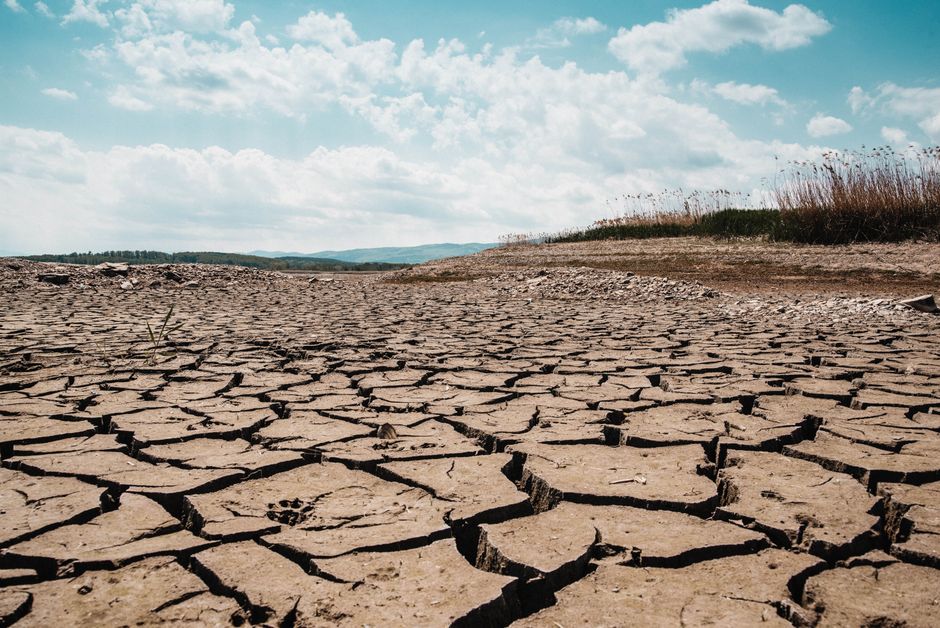
Photo by Dominika P on Pexels
Several factors contribute to both types of scarcity:
- Population Growth: More people mean more demand for drinking, sanitation, food production, and industry.
- Climate Change: Alters rainfall patterns, leading to more intense droughts in some areas and floods in others, affecting water availability and quality.
- Pollution: Contaminates existing fresh water sources, making them unusable and effectively reducing supply. Industrial discharge, agricultural runoff, and inadequate wastewater treatment are major culprits.
- Inefficient Water Use: Practices like flood irrigation in agriculture, leaky infrastructure, and wasteful domestic habits contribute significantly to demand outstripping supply.
- Unsustainable Water Extraction: Over-pumping groundwater or over-extracting from rivers faster than they can recharge leads to dwindling reserves.
Water Management Strategies

Photo by Quý Hoàng on Pexels
Addressing water scarcity requires a multi-pronged approach:
-
Demand Management:
- Water Conservation: Encouraging reduced water use in homes, industries, and agriculture. Examples include low-flow fixtures, shorter showers, and fixing leaks.
- Water Pricing: Using economic incentives to encourage efficient use. Higher prices for higher consumption can deter waste.
- Education and Awareness: Informing the public about the importance of water and how to use it wisely.
-
Supply Management:
- Improved Infrastructure: Repairing leaky pipes, building new reservoirs, and improving water distribution networks.
- Desalination: Converting saltwater into fresh water, a crucial (but energy-intensive) option for coastal, arid regions.
- Wastewater Treatment and Reuse: Treating municipal or industrial wastewater to a high standard so it can be safely used for irrigation, industrial processes, or even potable (drinking) water after advanced treatment.
- Rainwater Harvesting: Collecting and storing rainwater for various uses, reducing reliance on main water supplies.
- Groundwater Recharge: Deliberately replenishing aquifers using treated wastewater or excess surface water.
-
Integrated Water Resources Management (IWRM): This holistic approach considers all competing demands for water (environmental, agricultural, urban) within a river basin or regional context. It emphasizes balancing social, economic, and environmental objectives.
Here's a diagram illustrating the cause-and-effect chain of water scarcity and potential solutions:
graph TD
    A["Increasing Population"] --> B["Increased Water Demand"]
    C["Climate Change (Droughts, altered rainfall)"] --> D["Reduced Water Supply"]
    E["Pollution (Industrial, Agricultural)"] --> F["Degraded Water Quality"]
    G["Inefficient Water Use"] --> B

    B --> H["Water Scarcity"]
    D --> H
    F --> H

    H --> I["Socio-Economic Impacts"]
    H --> J["Environmental Degradation"]

    K["Demand Management (Conservation, Pricing)"] --> B
    L["Supply Augmentation (Desalination, Reuse)"] --> D
    M["Water Quality Protection (Treatment, Regulation)"] --> F
    N["IWRM & Policy (Regulation, Planning)"] --> H
3. Worked Example
Let's consider the city of Cape Town, South Africa, which faced a severe water crisis dubbed "Day Zero" in 2018.
Problem: Years of lower-than-average rainfall combined with rapid population growth and increasing agricultural demand led to critical reservoir levels. The city was physically running out of water.
Management Actions:
- Extreme Demand Management: The city implemented strict water restrictions, initially limiting residents to 87 liters per person per day, then dropping to a drastic 50 liters. Public awareness campaigns ("If it's yellow, let it mellow") were widespread. Fines were issued for non-compliance.
- Pressure Management: Reducing water pressure in the pipes helped cut consumption and reduce leaks.
- Alternative Supply Exploration: Plans for temporary desalination plants, groundwater extraction, and water reuse schemes were accelerated. While some came online, the primary success was demand reduction.
- Behavioral Change: The strict limits forced citizens to drastically alter their water habits, from showering less to reusing greywater for gardens.
Outcome: Through collective effort and stringent measures, Cape Town narrowly avoided Day Zero. Reservoir levels slowly recovered with subsequent rainfall, but the crisis highlighted the vulnerability of even well-managed cities to severe physical water scarcity and the power of demand-side management.
4. Key Takeaways
- Water scarcity is driven by a mix of physical availability and economic access, exacerbated by climate change, population growth, and pollution.
- Effective management requires both reducing demand (conservation, efficiency) and increasing sustainable supply (desalination, reuse, improved infrastructure).
- Integrated Water Resources Management (IWRM) is a crucial holistic approach to balance competing water needs.
- Technological solutions alone aren't enough; behavioral changes and strong policy are equally vital.
- Water pricing can be an effective tool to incentivize efficient use, but it needs careful consideration for equitable access.
- Ignoring water scarcity leads to significant socio-economic and environmental consequences.
Common Mistakes to Avoid:
- Underestimating demand: Assuming current water use can continue indefinitely without addressing growth.
- Focusing only on supply: Building more dams or drilling more wells without tackling wasteful consumption.
- Ignoring water quality: Believing that abundant water is useful even if it's too polluted to use.
- Thinking locally only: Water issues often cross administrative boundaries, requiring regional or basin-wide cooperation.
5. Now Try It
Imagine you're advising a growing city in an arid region. They're experiencing increasing water stress. Outline three specific, actionable strategies they could implement to address their water scarcity, one focused on demand management, one on supply management, and one on policy/governance. For each, explain why it would be effective. Success looks like you identifying practical, relevant strategies and providing a clear, concise justification for each one.
Frequently asked about Water Scarcity and Management
More from Geography
Get the full Geography curriculum
Clone the complete plan to your dashboard for unlimited AI-generated notes, practice quizzes, and a personalised revision schedule.
Save this course free