Reproductive Biology of Flowers
From the Flowers curriculum
TL;DR
Flowers are like plants' reproductive organs, containing male and female parts that work together to make seeds. Pollination, often helped by animals or wind, is how pollen gets from one part to another. This leads to fertilization, seed development, and the continuation of the plant's life cycle.
1. The Mental Model
Think of a flower as a tiny factory designed specifically for reproduction. Its main goal is to create new seeds, ensuring the plant's survival and spread. Everything about its structure and function is geared towards this crucial task.
2. The Core Material
Flowers have evolved incredible diversity, but their fundamental reproductive parts are quite similar across many species. We're going to break down these parts and their roles.
Parts of a Flower

Photo by Elena Umyskova on Pexels
Let's start with the basic anatomy. You can usually find four main types of structures, arranged in 'whorls' or rings:
- Sepals: These are often green, leaf-like structures that protect the developing bud before it opens. Think of them as the flower's security guards.
- Petals: These are typically brightly colored and scented to attract pollinators. They're the flower's advertising.
- Stamens (Male Parts): Each stamen consists of two main parts:
- Anther: This is where pollen (containing male gametes) is produced and stored.
- Filament: A stalk that supports the anther.
- Pistil/Carpel (Female Parts): This central structure can be made of one or more carpels fused together. It includes:
- Stigma: The sticky top part that receives pollen.
- Style: A stalk connecting the stigma to the ovary.
- Ovary: Contains ovules, which develop into seeds after fertilization.
The Reproductive Process
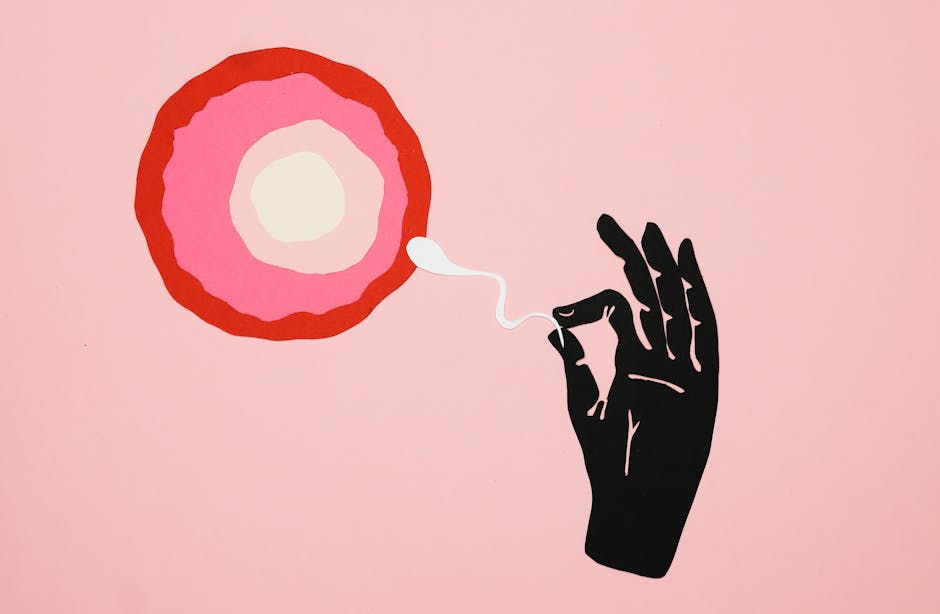
Photo by Nadezhda Moryak on Pexels
The goal is to get the male gametes (from pollen) to the female gametes (in the ovules) for fertilization. This happens in a series of steps:
- Pollen Production: The anthers produce pollen grains.
- Pollination: Pollen moves from the anther to the stigma. This can be self-pollination (within the same flower or plant) or cross-pollination (between different plants).
- Germination & Pollen Tube Growth: Once on the stigma, the pollen grain germinates, growing a tube down the style towards an ovule in the ovary.
- Fertilization: Male gametes travel down the pollen tube and fuse with the ovule, forming a zygote. In flowering plants, it's often 'double fertilization' where one male gamete fertilizes the egg cell and another fertilizes the central cell to form endosperm (food for the embryo).
- Seed and Fruit Development: The fertilized ovule develops into a seed (containing an embryo), and the ovary often develops into a fruit, which helps protect and disperse the seeds.
graph TD
    A["Pollen produced in Anther"] --> B{"Pollination: Pollen lands on Stigma"};
    B -- "Same flower/plant" --> C{"Self-Pollination"};
    B -- "Different plant" --> D{"Cross-Pollination"};
    C --> E["Pollen grain germinates"];
    D --> E;
    E --> F["Pollen tube grows down Style"];
    F --> G["Male gametes reach Ovule"];
    G --> H{"Fertilization (double fertilization)"};
    H -- "Zygote forms" --> I["Ovule develops into Seed"];
    H -- "Central cell forms" --> J["Ovary develops into Fruit"];
    I --> K["Seed dispersal"];
    J --> K;
Pollination Strategies

Photo by Masood Aslami on Pexels
Plants employ various strategies to ensure successful pollination:
- Biotic Pollination (Animal-aided): Many plants rely on insects (bees, butterflies), birds, or even bats to carry pollen. They often have bright petals, nectar, and specific scents to attract these pollinators.
- Abiotic Pollination (Non-living factors):
- Wind Pollination: Plants like grasses and many trees release huge amounts of lightweight pollen into the wind. Their flowers are often small, dull, and lack nectar.
- Water Pollination: Less common, seen in some aquatic plants where water currents carry pollen.
3. Worked Example
Imagine a bee landing on a sunflower.
- As the bee forages for nectar, tiny pollen grains from the anthers (male parts) of one sunflower stick to its fuzzy body.
- The bee then flies to another sunflower, attracted by its bright petals and sweet scent.
- When the bee lands, some of the pollen grains from the first sunflower brush off onto the sticky stigma (female part) of the second sunflower. This is cross-pollination.
- On the stigma, the pollen grains absorb moisture and nutrients and begin to germinate. A thin pollen tube grows down through the style into the ovary.
- Inside the ovary, the pollen tube reaches an ovule. Male gametes travel down the tube and fuse with the ovule (fertilization).
- The fertilized ovule then develops into a sunflower seed. The surrounding ovary tissue will develop to help protect the seed.
4. Key Takeaways
- Flowers contain specialized reproductive organs: stamens (male) and pistil/carpel (female).
- Pollen is produced in the anthers and contains the male gametes.
- Ovules, found in the ovary, contain the female gametes.
- Pollination is the transfer of pollen from an anther to a stigma.
- Fertilization occurs when male gametes from pollen fuse with ovules in the ovary.
- After fertilization, ovules become seeds and the ovary often develops into a fruit.
- Plants use various strategies like attractive petals and nectar or abundant lightweight pollen to facilitate pollination.
Common Mistakes to Avoid:
- Don't confuse pollination (transfer of pollen) with fertilization (fusion of gametes).
- Don't assume all flowers have both male and female parts; some are single-sex.
- Forgetting the role of sepals in protecting the bud.
- Thinking all plants rely on animals for pollination; wind and water are also key.
5. Now Try It
Go find a real flower (or a detailed picture of one) and try to identify its reproductive parts: sepals, petals, stamens (anther and filament), and pistil/carpel (stigma, style, and ovary). Draw a simple sketch and label each part, noting whether it's male, female, or a protective/attractive structure.
What success looks like: You can confidently point to and name the main reproductive structures of the flower and describe their basic function in the process of making seeds.
Frequently asked about Reproductive Biology of Flowers
Study this next
Get the full Flowers curriculum
Clone the complete plan to your dashboard for unlimited AI-generated notes, practice quizzes, and a personalised revision schedule.
Create Free Account