Fruits, Seeds, and Dispersal
From the Flowers curriculum
TL;DR
Fruits protect seeds and help them spread, increasing a plant's chances of survival. Seeds contain a plant embryo and food, waiting for good conditions to grow. Dispersal is how seeds move away from the parent plant to find new places to thrive.
1. The Mental Model
Think of a fruit as a seed's protective, edible, or aerodynamic packaging. The seed inside is like a tiny, self-contained survival kit for a baby plant. Dispersal is simply the journey these packages take to find a new home.
2. The Core Material
What is a Fruit?

Photo by Yaroslav Shuraev on Pexels
Botanically, a fruit is the mature ovary of a flowering plant, containing the seeds. Its main jobs are to protect the developing seeds and aid in their dispersal. Not all fruits are sweet and juicy; things like beans, nuts, and even grains are technically fruits!
What is a Seed?
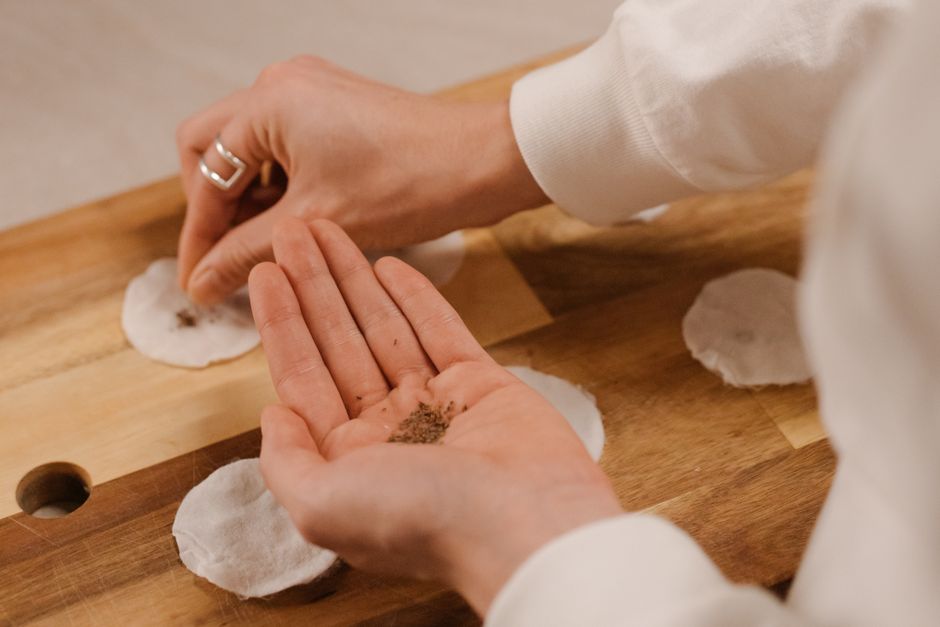
Photo by cottonbro studio on Pexels
A seed is an embryonic plant enclosed in a protective outer covering called the seed coat, usually with some stored food. It's the product of the fertilized ovule and contains all the genetic information needed to grow a new plant.
The Purpose of Dispersal

Photo by Erika Kujek on Pexels
Dispersal is super important because it helps prevent competition between parent plants and their offspring for resources like light, water, and nutrients. It also allows plants to colonize new areas, increasing their population and adapting to changing environments.
There are several main ways seeds get around:
- Wind Dispersal (Anemochory): Seeds are designed to catch the wind. Think dandelions with their feathery parachutes or maple seeds with their helicopter-like wings.
- Water Dispersal (Hydrochory): Seeds float! Coconuts are a classic example, traveling across oceans. Some water lilies also disperse their seeds this way.
- Animal Dispersal (Zoochory): This is a big one.
- External (Epizoochory): Seeds have hooks or sticky surfaces to cling to animal fur or feathers (e.g., burrs).
- Internal (Endozoochory): Seeds are eaten by animals, pass through their digestive system, and are deposited elsewhere, often with a nice little pile of fertilizer (e.g., berries, apples).
- Cache Dispersal: Animals like squirrels bury seeds for later, but forget some, leading to new plants (e.g., acorns).
- Self-Dispersal (Autochory): The plant itself actively throws or projects its seeds. Think of pea pods splitting open forcefully, or impatiens "exploding" their seeds.
- Gravity Dispersal: Seeds just fall to the ground and roll a short distance. This isn't the most effective for long distances but works for heavy fruits like avocados.
Here's a look at how these dispersal methods relate to the fruit's characteristics:
graph TD
    A["Fruit & Seed Characteristics"] --> B{Dispersal Method?};

    B --> C["Light, winged/hairy seeds"];
    C --> D[("Wind Dispersal")];

    B --> E["Buoyant fruit/seed"];
    E --> F[("Water Dispersal")];

    B --> G["Fleshy, edible fruit"];
    G --> H[("Animal Dispersal (Internal)")];

    B --> I["Hooks, barbs, sticky coat"];
    I --> J[("Animal Dispersal (External)")];

    B --> K["Hard shell, large seed"];
    K --> L[("Animal Dispersal (Cache)")];

    B --> M["Explosive pods, spring-loaded mechanisms"];
    M --> N[("Self-Dispersal")];

    B --> O["Heavy fruit, round shape"];
    O --> P[("Gravity Dispersal")];
3. Worked Example
Let's consider a tomato.
- Fruit: The entire red, fleshy part is the fruit, botanically a berry.
- Seeds: Inside are many small, flat, yellowish seeds, each with a gelatinous coating.
- Dispersal: If a bird eats the tomato, the fleshy fruit provides nutrition, and the seeds (protected by their coating and hard outer layer) pass through the bird's digestive system. The bird then flies to a different location and excretes the seeds, effectively planting them away from the parent tomato plant. This is internal animal dispersal (endozoochory). If the tomato just falls and rots, the seeds might still sprout nearby due to gravity dispersal or simply staying in place.
4. Key Takeaways
- Fruits are the mature ovaries of plants, protecting seeds and aiding their spread.
- Seeds contain an embryonic plant and food reserves, ready to sprout when conditions are right.
- Dispersal reduces competition and helps plants colonize new environments.
- Common dispersal methods include wind, water, animals (internal or external), and self-propulsion.
- The structure of a fruit or seed often gives clues about its dispersal method.
Common Mistakes to Avoid:
- Don't confuse a botanical fruit with a culinary fruit (e.g., green beans are fruits, but we eat them as vegetables).
- Assuming all seeds need to be eaten by animals to disperse; many other methods exist.
- Thinking "dispersal" only means long-distance travel; even falling a few feet is dispersal.
- Forgetting that the primary goal of fruit and seed structure is successful reproduction and survival.
5. Now Try It
Go into your garden or a park and find two different types of fruits or seeds. Examine their structure (size, shape, texture, any wings or hooks). Based on what you've learned, describe what dispersal method you think each plant uses and why. What would success look like? You'd be able to identify two different dispersal methods for two different plants, explaining how their physical features help with that dispersal.
Frequently asked about Fruits, Seeds, and Dispersal
More from Flowers
Get the full Flowers curriculum
Clone the complete plan to your dashboard for unlimited AI-generated notes, practice quizzes, and a personalised revision schedule.
Create Free Account