Informal Housing: Characteristics and Formation
From the Urban-rural curriculum
Informal Housing: Characteristics and Formation
TL;DR
Informal housing, often called slums or shantytowns, develops outside formal planning and legal frameworks due to rapid urbanization and limited affordable options. It's characterized by insecure tenure, inadequate services, and poor living conditions, but it also provides accessible shelter and strong community ties. Its formation is a complex process driven by economic, social, and political factors, not just poverty.
1. The Mental Model
Think of informal housing as a city's "shadow economy" for shelter. It emerges when formal systems can't keep up with demand, offering accessible (though often substandard) solutions for those left out.
2. The Core Material
Informal housing refers to settlements or dwellings that haven't been planned, developed, or legally recognized by the authorities. They often lack official titles, basic infrastructure, and are built incrementally by residents. It's important to understand this isn't just about poverty; it's about a mismatch between urban growth and formal housing supply.
Characteristics of Informal Housing
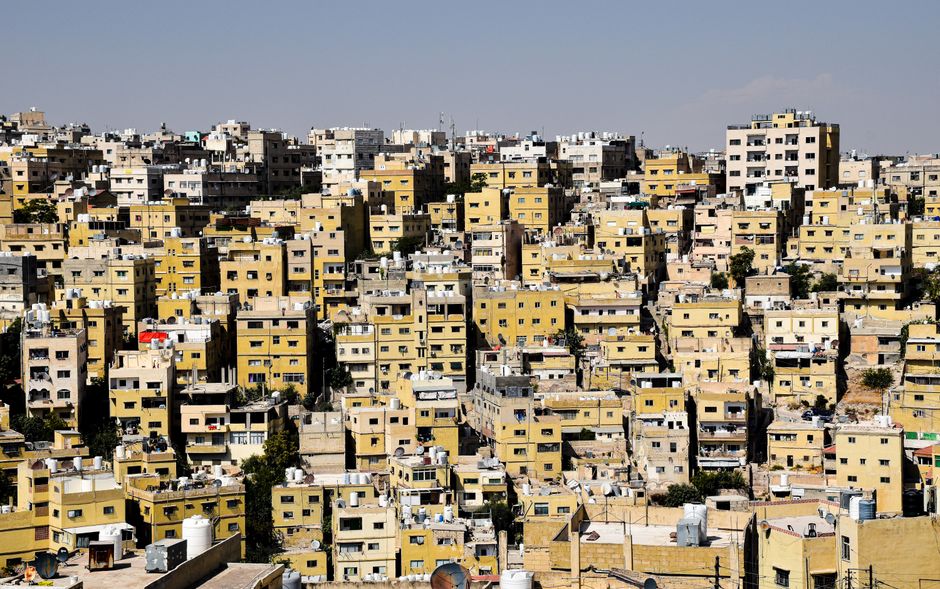
Photo by AXP Photography on Pexels
Informal settlements share common traits, though their specific manifestations vary greatly across different regions.
- Insecure Tenure: Residents often lack legal ownership or formal rental agreements, leading to constant fear of eviction. This insecurity discourages investment in property improvements.
- Inadequate Infrastructure & Services: Access to safe water, sanitation, electricity, waste collection, and roads is typically poor or non-existent. This significantly impacts health and quality of life.
- Substandard Structure: Homes are frequently built from scavenged or low-cost materials, are often overcrowded, and lack proper ventilation or structural integrity, making them vulnerable to natural disasters.
- Peripheral Location/Hazardous Sites: Many informal settlements are on the outskirts of cities or on undesirable land (e.g., flood plains, steep slopes) that formal development avoids.
- Community & Social Networks: Despite the challenges, these settlements often foster strong community ties, mutual support networks, and innovative local economies.
Formation of Informal Housing
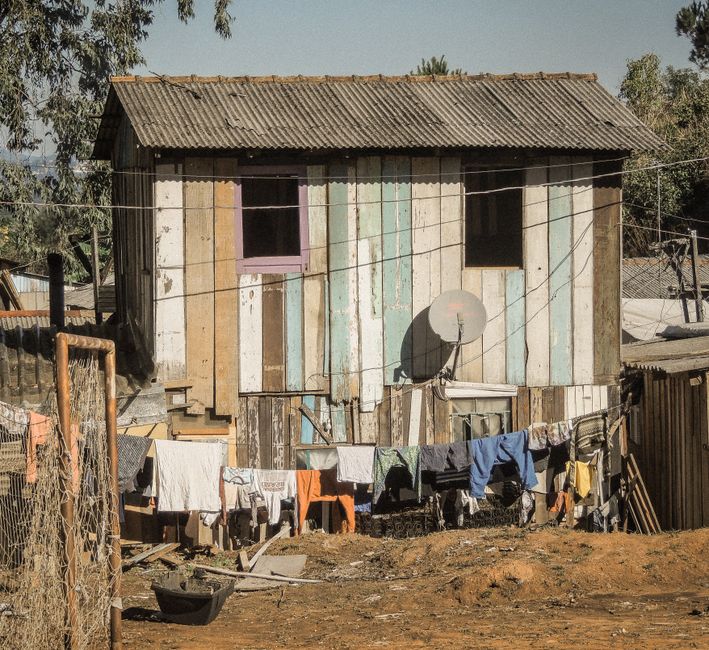
Photo by Anderson Portella on Pexels
The rise of informal housing isn't random; it's a systemic outcome of several interacting factors.
graph TD
    A["Rapid Urbanization (Rural-to-Urban Migration)"] --> B["Increased Demand for Housing"]
    B --> C["Formal Housing Shortage (Unaffordable/Unavailable)"]
    C --> D["Informal Land Acquisition (Squatting/Illegal Subdivisions)"]
    D --> E["Incremental Construction (Self-built/Affordable Materials)"]
    E --> F["Lack of Basic Services (No Formal Planning/Investment)"]
    F --> G["Informal Economy & Social Networks (Survival Strategies)"]
    G --> H["Political/Governance Weakness (Lack of Enforcement/Planning)"]
    H --> I["Vulnerability to Eviction/Disasters"]
    I --> J["Cycle of Informality (Perpetuation of Conditions)"]

    style A fill:#f9f,stroke:#333,stroke-width:2px
    style J fill:#f9f,stroke:#333,stroke-width:2px
- Rapid Urbanization: Large-scale migration from rural areas to cities, often driven by search for economic opportunity, outpaces the capacity of urban centers to provide formal housing.
- Lack of Affordable Formal Housing: Formal housing markets often cater to middle and upper classes, leaving low-income populations with no legal, affordable options. This forces them into informal solutions.
- Land Scarcity & Speculation: Limited available land and speculative practices drive up land prices, making formal development for low-income groups unprofitable or impossible.
- Weak Governance & Planning: Ineffective urban planning, corruption, and a lack of enforcement of building codes and land use regulations create vacuums where informal settlements can emerge and expand. Sometimes, political patronage allows these settlements to persist in exchange for votes.
- Economic Exclusion: Many residents of informal settlements work in the informal economy, with unstable incomes. This means they can't access formal housing finance or afford formal housing costs.
- Self-Help & Incrementalism: Faced with no other options, people build their own homes incrementally, adding rooms or improving structures as resources become available. This "do-it-yourself" approach is a survival strategy.
3. Worked Example
Consider a rapidly growing city in Southeast Asia, "MegaCity." Each year, 200,000 new residents arrive from rural areas seeking work in its burgeoning manufacturing sector. The city's formal housing developers produce only 50,000 new affordable units annually, costing around $300/month to rent. However, the average income for a new migrant factory worker is $250/month, making formal housing unattainable for most.
Without other options, many migrants resort to squatting on undeveloped land at the city's periphery, or buying cheap, illegally subdivided plots from informal brokers. They use scrap wood, corrugated metal, and bricks salvaged from construction sites to build small, single-room dwellings. Over time, these individual structures coalesce into larger settlements. There's no municipal water or sewer connection, so residents rely on communal standpipes or illegally tap into utility lines, and use rudimentary latrines. Roads are unpaved, and garbage collection is non-existent, leading to health issues. While city officials are aware, they lack the resources or political will to effectively manage the influx or develop sufficient formal alternatives, allowing these informal settlements to become permanent features of MegaCity's landscape.
4. Key Takeaways
- Informal housing isn't just about poverty; it's a complex response to systemic failures in urban planning and housing provision.
- Lack of secure tenure is a defining characteristic, leading to vulnerability and disincentives for improvement.
- Inadequate access to basic services (water, sanitation, electricity) is a critical health and safety concern.
- The formation process is a chain reaction: rapid urbanization outstrips formal supply, pushing people towards informal solutions.
- Despite challenges, these communities often exhibit strong social networks and economic resilience.
- Weak governance and land speculation significantly contribute to the perpetuation of informal settlements.
- You can't solve informal housing without addressing the root causes of urban inequality and inadequate planning.
5. Now Try It
Imagine you're an urban planner advising a city council. Draft a short, bullet-point memo (no more than 150 words) outlining three distinct policy interventions that could help slow the growth of new informal settlements, based on what you've learned. What success would look like for each intervention?
Frequently asked about Informal Housing: Characteristics and Formation
Study this next
Get the full Urban-rural curriculum
Clone the complete plan to your dashboard for unlimited AI-generated notes, practice quizzes, and a personalised revision schedule.
Create Free Account