Introduction to Cell Biology and Mid Term Scope
From the Mid Term curriculum
Introduction to Cell Biology and Mid Term Scope
TL;DR
This note introduces the basics of cell biology, covering what cells are, their main types, and the key parts they contain. You'll learn the fundamental concepts that form the basis of our mid-term exam. Understanding these core ideas will prepare you for more detailed topics.
1. The Mental Model
Think of a cell like a tiny, self-contained factory. Each factory has different departments (organelles) that perform specific jobs, all working together to keep the whole operation running.
2. The Core Material
Cells are the fundamental units of life. Everything alive, from a tiny bacterium to a giant whale, is made of cells. You'll primarily focus on two big types: prokaryotic and eukaryotic cells.
What's the difference? Prokaryotes vs. Eukaryotes
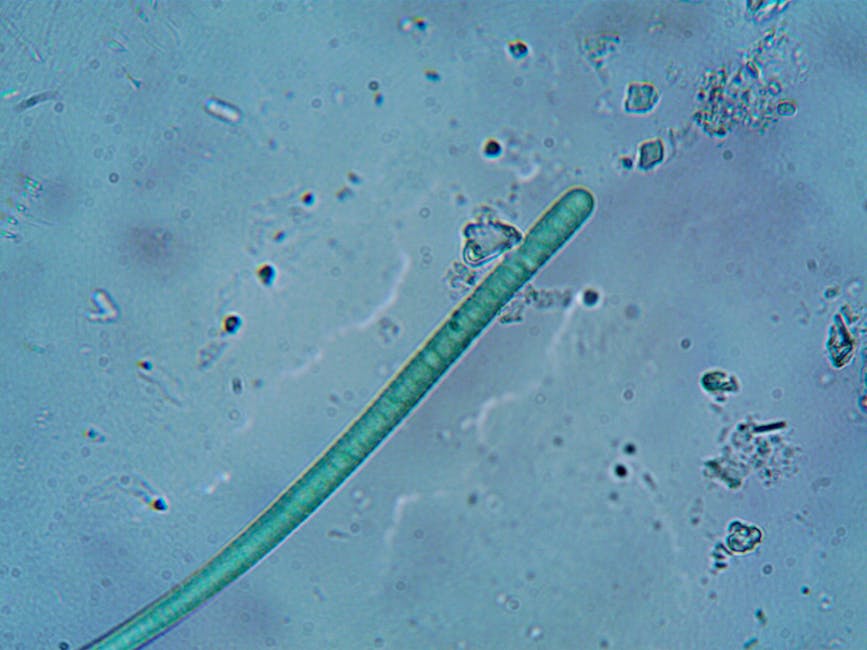
Photo by turek on Pexels
The biggest distinction lies in their internal structure, especially the nucleus.
- Prokaryotic cells are simpler and smaller. They don't have a nucleus or other membrane-bound organelles. Think of them as the "older" cell type, like bacteria. Their genetic material (DNA) just floats around in the cytoplasm.
- Eukaryotic cells are more complex and generally larger. They do have a nucleus that houses their DNA, and many other specialized compartments called organelles, each doing a specific job. You, for instance, are made of eukaryotic cells.
Here's a quick comparison:
graph TD
    A["Cell Types"] --> B["Prokaryotic"]
    A --> C["Eukaryotic"]

    B --> D["No Nucleus"]
    B --> E["DNA in Cytoplasm"]
    B --> F["Simple Structure"]
    B --> G["Bacteria, Archaea"]

    C --> H["Has Nucleus"]
    C --> I["DNA in Nucleus"]
    C --> J["Complex Structure (Organelles)"]
    C --> K["Animals, Plants, Fungi, Protists"]
Key Components of a Cell

Photo by Nic Wood on Pexels
While there are differences, all cells share some basic structures:
- Cell Membrane: This is the outer boundary of the cell, controlling what goes in and out. It's like the factory's security gate.
- Cytoplasm: The jelly-like substance that fills the cell, where organelles are suspended. It's the factory floor where all the work happens.
- Genetic Material (DNA): The cell's blueprint or instruction manual. In prokaryotes, it's free-floating; in eukaryotes, it's in the nucleus.
- Ribosomes: Tiny structures responsible for making proteins, following instructions from the DNA. These are the factory's assembly lines.
For eukaryotic cells, you'll also need to know these key organelles:
- Nucleus: Contains the cell's DNA and controls cell activities. This is the factory's main office or control room.
- Mitochondria: The "powerhouses" of the cell; they generate energy. Think of them as the factory's power plant.
- Endoplasmic Reticulum (ER): A network of membranes involved in protein and lipid synthesis. It's like the factory's internal transport system and production lines.
- Golgi Apparatus: Modifies, sorts, and packages proteins and lipids for secretion or delivery to other organelles. This is the factory's packaging and shipping department.
- Lysosomes: Break down waste materials and cellular debris. The factory's recycling center.
- Vacuoles (especially large in plants): Storage sacs for water, nutrients, and waste. These are the factory's storage warehouses.
- Chloroplasts (in plant cells): Where photosynthesis happens, converting light into energy. Only in plant factories – their solar panels.
Mid-Term Scope
Photo by RDNE Stock project on Pexels
The mid-term will cover these fundamental concepts:
- Cell Theory: The three main ideas about cells.
- Prokaryotic vs. Eukaryotic Cells: Their key differences and examples.
- Major Organelles and Their Functions: What each part does, particularly in eukaryotic cells.
- Basic Cell Processes: How cells get energy, move things around, and reproduce (at a high level for now).
3. Worked Example
Let's say you're given a description: "A cell is observed under a microscope. It's relatively small, lacks a clearly defined nucleus, and its genetic material is found freely in the cytoplasm. It also doesn't have mitochondria or an endoplasmic reticulum."
Based on this, what type of cell is it?
It's a prokaryotic cell. The key clues are the lack of a nucleus, the free-floating genetic material, and the absence of complex organelles like mitochondria and ER, which are characteristic of eukaryotic cells. This cell description perfectly matches the simplified structure of a prokaryote.
4. Key Takeaways
- Cells are the basic building blocks of all living things.
- There are two main types: prokaryotic (simpler, no nucleus) and eukaryotic (complex, with a nucleus and organelles).
- All cells have a cell membrane, cytoplasm, genetic material (DNA), and ribosomes.
- Eukaryotic cells have specialized organelles like the nucleus, mitochondria, ER, and Golgi apparatus, each with a specific function.
- The mid-term will test your understanding of cell types, their structures, functions, and the fundamental cell theory.
Common Mistakes to Avoid:
- Confusing the functions of mitochondria and chloroplasts (energy vs. photosynthesis).
- Forgetting that ribosomes are present in both prokaryotic and eukaryotic cells.
- Thinking all cells have a nucleus; prokaryotes do not.
- Overlooking the cell membrane's role as the cell's outer boundary and gatekeeper.
5. Now Try It
Spend 15 minutes drawing a simple diagram of a generalized animal cell and a plant cell side-by-side. Label at least 8 key organelles on each. For each labeled organelle, write a one-sentence summary of its function. Focus on highlighting the differences (e.g., cell wall, chloroplasts, large central vacuole in plant cells, and their absence in animal cells).
Success looks like: You have two distinct diagrams, each with correctly labeled organelles and accurate, concise functions, clearly illustrating the structural differences between typical animal and plant eukaryotic cells.
Frequently asked about Introduction to Cell Biology and Mid Term Scope
Study this next
Get the full Mid Term curriculum
Clone the complete plan to your dashboard for unlimited AI-generated notes, practice quizzes, and a personalised revision schedule.
Create Free Account