Introduction to Philippine Historiography and Reading Strategies
From the Reading and in the philippines history curriculum
Introduction to Philippine Historiography and Reading Strategies
TL;DR
Philippine historiography is about how history is written and interpreted in the Philippines, influenced by who wrote it and when. Understanding this involves looking critically at historical sources and recognizing different perspectives. You'll learn to read history actively, asking questions about the context and biases of the materials.
1. The Mental Model
Think of history not as a single story, but as a conversation where different people tell their versions of events. Your job is to understand who's talking, why they're talking, and what their biases might be.
2. The Core Material
When you're studying Philippine history, you're not just memorizing dates and names. You're engaging with historiography, which is the study of historical writing itself. This means looking at how historians have approached the past, what sources they used, and what their interpretations were. Different eras and different backgrounds produce different historical narratives.
What is Historiography?

Photo by Ann H on Pexels
It's about the "history of history." For the Philippines, this is crucial because much of our early recorded history was written by colonizers (Spanish, then American). Their viewpoints often shaped the narrative, sometimes portraying Filipinos negatively or focusing on their own accomplishments. Later, Filipino historians started writing their own versions, often challenging these colonial narratives.
Key Aspects of Philippine Historiography:
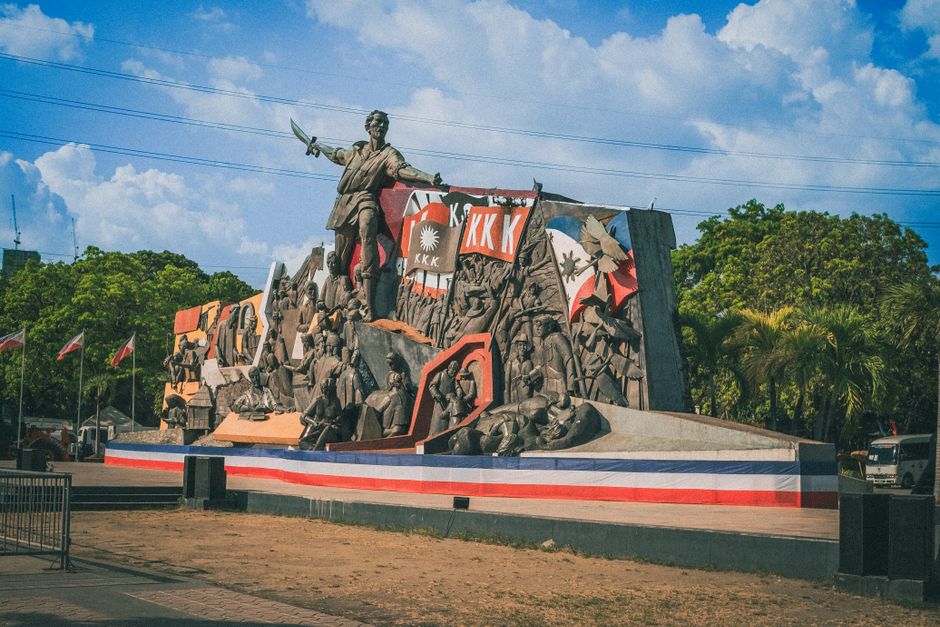
Photo by Clarence Gaspar on Pexels
- Colonial vs. Nationalist Perspectives: Early histories were often from the colonizers' viewpoint. Later, Filipino historians aimed to reclaim and reinterpret the past from a Filipino perspective, emphasizing agency and resistance.
- Source Criticism: You can't just take a historical document at face value. You need to question its origin, purpose, and potential biases. Was it written by an eyewitness? Who was the intended audience? What was the political climate at the time?
- The Role of Oral Traditions: Before written records, history was often passed down orally. Recognizing the value of these traditions is important, though they present different challenges for verification.
graph TD
    A["Historical Event (e.g., PH Revolution)"] --> B["Primary Sources (e.g., Letters, Decrees)"]
    B --> C["Historian 1 (Spanish Chronicler)"]
    B --> D["Historian 2 (American Scholar)"]
    B --> E["Historian 3 (Filipino Nationalist)"]

    C --> F["Interpretation A (Colonial View)"]
    D --> G["Interpretation B (American Benevolent Assimilation)"]
    E --> H["Interpretation C (Filipino Resistance/Agency)"]

    F --> I["Philippine Historiography"]
    G --> I
    H --> I
Effective Reading Strategies:

Photo by Pixabay on Pexels
Reading history isn't like reading a novel. You need to be an active reader.
- Pre-reading (Skimming): Look at the title, introduction, conclusion, headings, and subheadings. What's the main topic? What argument is the author likely making?
- Contextualization: Who wrote this? When? Why? What was happening in the world and in the Philippines at that time? Knowing the author's background (nationality, profession, political leanings) helps you understand their perspective.
- Close Reading (Annotating): As you read, highlight key arguments, definitions, and evidence. Write notes in the margins – ask questions, challenge statements, connect ideas to other things you've learned.
- Source Identification: What sources does the author use? Are they primary (first-hand accounts) or secondary (interpretations of primary sources)? Are the sources credible?
- Identifying Bias: Every author has a perspective. Try to identify what it is. Are they trying to persuade you of something? Are they omitting certain details?
- Synthesizing: After reading, summarize the main points in your own words. How does this text fit into the broader picture of Philippine history? How does it compare to other accounts you've read?
3. Worked Example
Let's say you're reading an excerpt from William Howard Taft's 1908 speech where he talks about the "benevolent assimilation" of the Philippines.
Your Reading Strategy:
1. Pre-reading: Title ("Benevolent Assimilation Speech"), author (Taft, former US Governor-General), date (1908, after the Philippine-American War).
2. Contextualization: Taft was a key figure in the US colonial administration. "Benevolent assimilation" was the official US policy to justify their occupation, framing it as helping Filipinos rather than conquering them.
3. Close Reading: You'd highlight phrases like "educating them for self-government," "protecting them from exploitation," and "improving their infrastructure." You might note in the margin: "Is this truly benevolent, or a justification for control?" "Whose perspective is missing here?"
4. Source Identification: This is a primary source – a direct speech from a historical figure.
5. Identifying Bias: Taft, as a colonial administrator, would naturally present the American presence in a positive light, emphasizing benefits and downplaying any negative impacts or Filipino resistance. His goal was to legitimize US rule.
6. Synthesizing: Taft's speech shows the official US rationale for their colonial project, presenting it as a civilizing mission. It contrasts sharply with Filipino nationalist narratives that depict the US as an invading force suppressing a budding republic.
4. Key Takeaways
- Philippine historiography is the study of how Philippine history has been written and interpreted.
- Early histories were often from colonial viewpoints, later challenged by Filipino nationalist historians.
- Always question the author's background, time period, and potential biases when reading history.
- Distinguish between primary sources (first-hand) and secondary sources (interpretations).
- Active reading involves pre-reading, contextualizing, annotating, and identifying bias.
- Don't treat history as a single, undisputed narrative; recognize it as a collection of interpretations.
- Synthesize what you read by connecting it to broader historical themes and other accounts.
Common Mistakes to Avoid:
- Accepting historical accounts at face value without questioning the source.
- Ignoring the author's background or the historical context of a document.
- Confusing primary and secondary sources.
- Failing to look for alternative perspectives on the same event.
- Not actively engaging with the text (e.g., just passively reading without highlighting or taking notes).
5. Now Try It
Choose a specific event in Philippine history (e.g., the execution of Jose Rizal, the Cry of Pugad Lawin, the EDSA Revolution). Find two different accounts of this event – one from an older, potentially colonial-era source (if possible, or a more traditional textbook), and another from a more recent Filipino nationalist or critical perspective. Read both using the strategies outlined above. For each, identify the author's likely bias and list three key differences in how they describe the event or its significance.
Success looks like: You can clearly articulate the main argument and underlying perspective of each account, and point out specific ways they diverge in their portrayal of the historical event.
Frequently asked about Introduction to Philippine Historiography and Reading Strategies
Get the full Reading and in the philippines history curriculum
Clone the complete plan to your dashboard for unlimited AI-generated notes, practice quizzes, and a personalised revision schedule.
Create Free Account