Rise of Filipino Nationalism and the Philippine Revolution
From the Reading and in the philippines history curriculum
TL;DR
Filipino nationalism emerged from Spanish colonial abuses and the spread of liberal ideas, leading to calls for reform and then outright revolution. Key figures like Rizal and Bonifacio galvanized the people, culminating in the declaration of independence and a fight against both Spain and later the United States. This period shaped the Philippines' identity and its struggle for self-determination.
1. The Mental Model
Think of Filipino nationalism as a seed planted in fertile ground (Spanish abuses), watered by liberal ideas, and finally blossoming into a powerful movement for independence. It wasn't a sudden event, but a gradual awakening of collective identity and a desire for freedom.
2. The Core Material
The rise of Filipino nationalism was a complex process, fueled by a combination of internal grievances and external influences. For centuries, Filipinos lived under Spanish colonial rule, experiencing various forms of oppression, from economic exploitation to social discrimination.
A. Seeds of Discontent: Spanish Colonial Abuses

Photo by Alfred Franz on Pexels
Spanish rule was marked by several factors that bred resentment:
* Economic Exploitation: The galleon trade, encomienda system, and later the tobacco monopoly enriched Spain but impoverished many Filipinos.
* Friar Abuses: The powerful friar orders often held vast lands, exerted political influence, and committed abuses against locals, leading to anti-clerical sentiments.
* Racial Discrimination: Filipinos were treated as second-class citizens (indios), facing discrimination in education, government, and society.
* Lack of Representation: Filipinos had no voice in the Spanish Cortes, meaning their concerns were largely ignored.
B. Influx of Liberal Ideas

Photo by Victor Muñoz on Pexels
The opening of the Philippines to world trade in the 19th century and the Suez Canal's opening in 1869 allowed for the influx of liberal ideas from Europe, such as liberty, equality, and fraternity. Many young, educated Filipinos (ilustrados) studied in Europe and returned with these progressive ideals, questioning the colonial status quo.
C. Key Events and Movements
- Cavite Mutiny (1872) and Martyrdom of GOMBURZA: This event, where three Filipino priests (Mariano Gomez, Jose Burgos, and Jacinto Zamora) were executed by the Spanish, was a turning point. It solidified Filipino resentment and united the people against Spanish injustice, becoming a rallying cry for nationalism.
- The Propaganda Movement (1880s-1890s): Led by ilustrados like Jose Rizal, Marcelo H. del Pilar, and Graciano Lopez Jaena, this movement advocated for reforms through peaceful means. They used newspapers (like La Solidaridad) and essays to expose Spanish abuses and demand:
- Equal rights for Filipinos and Spaniards.
- Philippine representation in the Spanish Cortes.
- Secularization of parishes.
- Freedom of speech and association.
- Jose Rizal's Role: His novels, Noli Me Tángere and El filibusterismo, vividly portrayed the injustices under Spanish rule, awakening a sense of national identity and calling for social change. He envisioned a nation that could stand on its own.
- The Katipunan (1892): When the peaceful reform efforts failed and Rizal was exiled, Andres Bonifacio founded the Kataas-taasan, Kagalang-galangan Katipunan ng mga Anak ng Bayan (Katipunan). This secret society advocated for armed revolution to achieve complete independence from Spain. Its membership grew rapidly, primarily among the working class and peasants.
graph TD
    A["Spanish Colonial Abuses (e.g., Friar Abuses, Exploitation)"] --> B["Growing Filipino Resentment & Discontent"]
    C["Influx of Liberal Ideas (e.g., from Europe, Suez Canal)"] --> D["Rise of Educated Filipinos (Ilustrados)"]
    D --> E["Propaganda Movement (Peaceful Reforms: Rizal, Del Pilar)"]
    E --> F{"Reforms Achieved?"}
    F -- No --> G["Failure of Peaceful Reforms"]
    G --> H["Founding of the Katipunan (Armed Revolution: Bonifacio)"]
    B --> H
    H --> I["Philippine Revolution Begins (Cry of Pugad Lawin/Balintawak)"]
    I --> J["Declaration of Philippine Independence (June 12, 1898)"]
    J --> K["Philippine-American War (1899-1902)"]
D. The Philippine Revolution (1896)
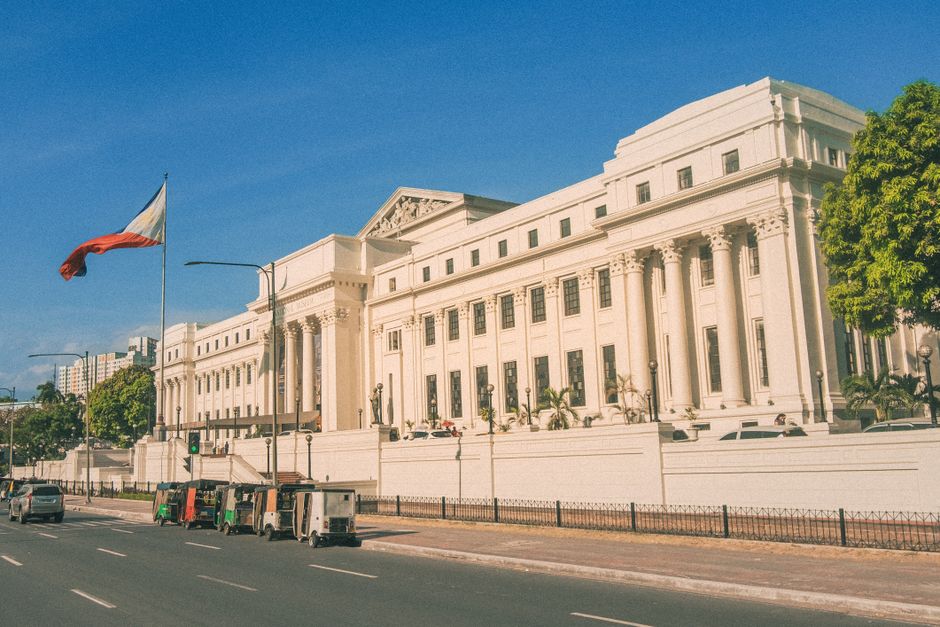
Photo by Clarence Gaspar on Pexels
The discovery of the Katipunan in August 1896 forced Bonifacio to launch the revolution. The "Cry of Pugad Lawin" (or Balintawak) marked the official start. Filipinos, despite being poorly armed, fought valiantly. Key events included:
* Execution of Jose Rizal (December 30, 1896): Rizal's martyrdom further fueled the revolutionary fervor, transforming him into a national hero.
* Rise of Emilio Aguinaldo: In Cavite, Aguinaldo's faction gained prominence, eventually leading to the Tejeros Convention where Bonifacio's leadership was challenged, and Aguinaldo became president of the revolutionary government.
* Pact of Biak-na-Bato (1897): Aguinaldo negotiated a temporary truce with the Spanish, going into exile in Hong Kong.
E. Declaration of Independence and the Philippine-American War
With the Spanish-American War breaking out in 1898, Aguinaldo returned to the Philippines with American support. On June 12, 1898, he declared Philippine independence in Kawit, Cavite. However, the Americans, after defeating Spain, decided to colonize the Philippines, leading to the brutal Philippine-American War (1899-1902). This war saw Filipinos fighting against a new colonizer, continuing their struggle for true self-determination.
3. Worked Example
Imagine you're a young Filipino in the late 19th century. You've heard stories from your grandparents about their lands being taken by friars, and you see your family struggling under heavy taxes. Your older cousin returns from studying in Spain, bringing copies of Noli Me Tángere and El filibusterismo. You read about Crisostomo Ibarra's struggles and the corruption of Padre Damaso, and it resonates deeply with your own experiences and observations. You realize the problems aren't just local but systemic.
Then, news spreads like wildfire about the execution of GOMBURZA. You hear your parents whisper that these innocent priests were killed just for speaking out. This event, combined with Rizal's powerful words, makes you question Spanish rule not just as an individual, but as a Filipino. You start to feel a sense of shared identity and grievance with others around you. When a secret organization called the Katipunan starts recruiting, promising freedom through armed struggle, the seeds of nationalism planted by abuses and watered by liberal ideas finally compel you to join, ready to fight for an independent Philippines.
4. Key Takeaways
- Filipino nationalism wasn't a single event but a gradual awakening sparked by centuries of Spanish abuses.
- The ilustrados of the Propaganda Movement used peaceful reforms and literature (especially Rizal's novels) to awaken national consciousness.
- The martyrdom of GOMBURZA was a critical turning point, uniting Filipinos against Spanish injustice.
- Andres Bonifacio's Katipunan shifted the independence movement from peaceful reform to armed revolution.
- The Philippine Revolution culminated in the declaration of independence but was immediately followed by the Philippine-American War, extending the fight for sovereignty.
- This era fundamentally shaped the modern Filipino identity and the nation's continuous pursuit of freedom.
Common Mistakes to Avoid:
- Don't see nationalism as purely negative; in this context, it was a necessary force for self-determination.
- Avoid underestimating the role of the friars; their abuses were a major catalyst for resentment.
- Don't confuse the goals of the Propaganda Movement (reforms) with the Katipunan (complete independence).
- Remember that the declaration of independence in 1898 didn't immediately lead to a truly free Philippines.
- Don't overlook the impact of external liberal ideas on the educated Filipino elite.
5. Now Try It
Think about a specific abuse or problem that sparked anger among Filipinos during the Spanish colonial era. Pick one (e.g., friar land ownership, racial discrimination, forced labor). Then, in a short paragraph, explain how that particular problem could lead to a growing sense of shared identity and desire for change among the people affected, eventually contributing to the broader nationalist movement. What success looks like is a clear, concise explanation linking a specific grievance to the rise of collective Filipino identity and nationalist sentiment.
Frequently asked about Rise of Filipino Nationalism and the Philippine Revolution
Study this next
Get the full Reading and in the philippines history curriculum
Clone the complete plan to your dashboard for unlimited AI-generated notes, practice quizzes, and a personalised revision schedule.
Save this course free