Introduction to the Modern World
From the class 10th curriculum
TL;DR
The modern world emerged from huge shifts like the Industrial Revolution, which changed how things were made and people lived. This led to countries expanding their power through Imperialism and Colonialism, impacting Asia and Africa significantly. Ultimately, global conflicts like the World Wars and the creation of the United Nations shaped the political landscape we know today.
1. The Mental Model
Think of the "Modern World" as a period where societies rapidly transformed from mostly farming-based to industrial, leading to global connections and conflicts. It's like seeing a small village grow into a bustling city with worldwide links, but also new challenges.
2. The Core Material
The "Modern World" as we're discussing it for Class 10th really kicked off after big changes in Europe like the Renaissance. People started valuing observation and experiments over blind faith, and the printing press spread new ideas about liberty and equality. This set the stage for even bigger transformations:
The Industrial Revolution (1750-1850 in Britain)

Photo by Emmanuel Codden on Pexels
This was a massive shift from an agricultural society to one focused on industry and factories. It wasn't just about new machines; it changed how people lived, worked, and even where they lived.
- Innovations & Technology:
- Textile Industry: Inventions like the Spinning Jenny, Power Loom, and Cotton Gin hugely sped up cotton cloth production.
- Steam Power: James Watt's improved steam engine powered factories, mines, and later, transport.
- Coal & Iron: These became crucial raw materials, fueling steam engines and providing materials for machinery and infrastructure.
- Transportation: Steam locomotives (trains) and steamships made transporting raw materials and finished goods much faster and more reliable, boosting trade.
- Impact on Society:
- Urbanization: People moved from rural areas to cities for factory jobs, leading to crowded, often unhealthy living conditions.
- New Social Classes: The rise of capitalists (factory owners, bourgeoisie) and the working class (proletariat) led to new social structures and tensions.
- Child Labour: Children were often employed in factories and mines due to their small size and cheap wages.
- Economic Growth: Overall production increased dramatically, leading to more goods but also new social problems.
Imperialism and Colonialism
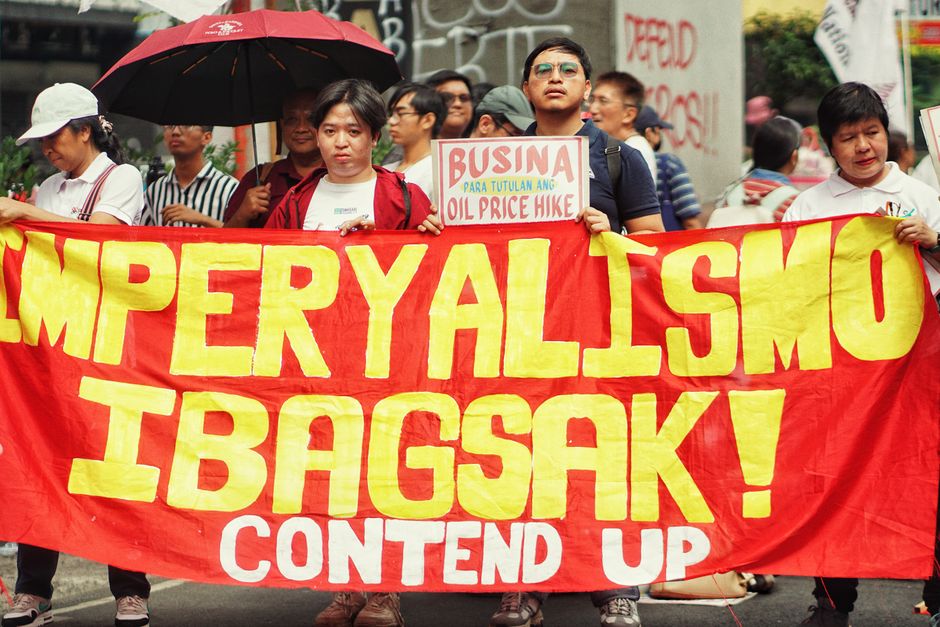
Photo by Mico Medel on Pexels
As industrialised nations produced more goods and needed more raw materials, they started looking beyond their borders.
- Imperialism: This is when a powerful country extends its control – politically, economically, or culturally – over other territories.
- Colonialism: A more direct form of Imperialism where a country establishes settlements and rules the native population of a foreign territory.
- Factors Leading to Rise:
- Economic Needs: Industrialised countries needed raw materials (like cotton, rubber, minerals) and new markets to sell their finished goods.
- Technological Advantage: Superior military technology (e.g., advanced weapons) made it easier for European powers to conquer and control distant lands.
- "Civilizing Mission": Some Europeans believed they had a duty to bring their culture, religion (Christianity), and technology to "less developed" parts of the world.
- Nationalism: Competition between European powers for greater prestige and global influence.
- Development in Asia and Africa:
- European powers (Britain, France, Germany, Belgium, etc.) carved up vast areas of Africa in what's known as the "Scramble for Africa."
- In Asia, countries like India became a key British colony, while others like China faced economic domination. Japan also joined this race for colonies.
- Effects on Colonies:
- Positive: Sometimes led to infrastructure development (roads, railways), new education systems, and modern administrative practices.
- Negative: Exploitation of resources, destruction of local industries, loss of political freedom, cultural disruption, and often brutal treatment of native populations.
graph TD
    A[Industrial Revolution] --> B{Need for Resources & Markets};
    B --> C[Technological Advantage];
    C --> D{Rise of Imperialism & Colonialism};
    D --> E["Scramble for Africa"];
    D --> F["Colonialism in Asia"];
    E --> G[Exploitation of Colonies];
    F --> G;
    G --> H[Increased Rivalry among European Powers];
    H --> I[World War I];
The World Wars

Photo by Nothing Ahead on Pexels
The intense competition and rivalries fueled by imperialism and nationalism eventually led to global conflicts.
- World War I (1914-1918):
- Causes: Imperialist rivalries, aggressive nationalism, complex alliance systems (Triple Entente vs. Triple Alliance), and the assassination of Archduke Franz Ferdinand.
- Consequences: Massive loss of life, economic devastation, collapse of empires (Austro-Hungarian, Ottoman), and a redrawing of the map of Europe. It also sowed the seeds for future conflict.
- World War II (1939-1945):
- Causes: Unresolved issues from WWI, the rise of totalitarian regimes (Fascism in Italy, Nazism in Germany, Militarism in Japan), the policy of appeasement, and German expansionism.
- Course of Events: Global conflict involving Axis Powers (Germany, Italy, Japan) against the Allies (Britain, France, USSR, USA). Widespread devastation, genocide (Holocaust), and the use of atomic bombs.
- Consequences: Even greater loss of life and destruction, the emergence of two superpowers (USA and Soviet Union), and the beginning of the Cold War.
The United Nations Organisation (UNO)
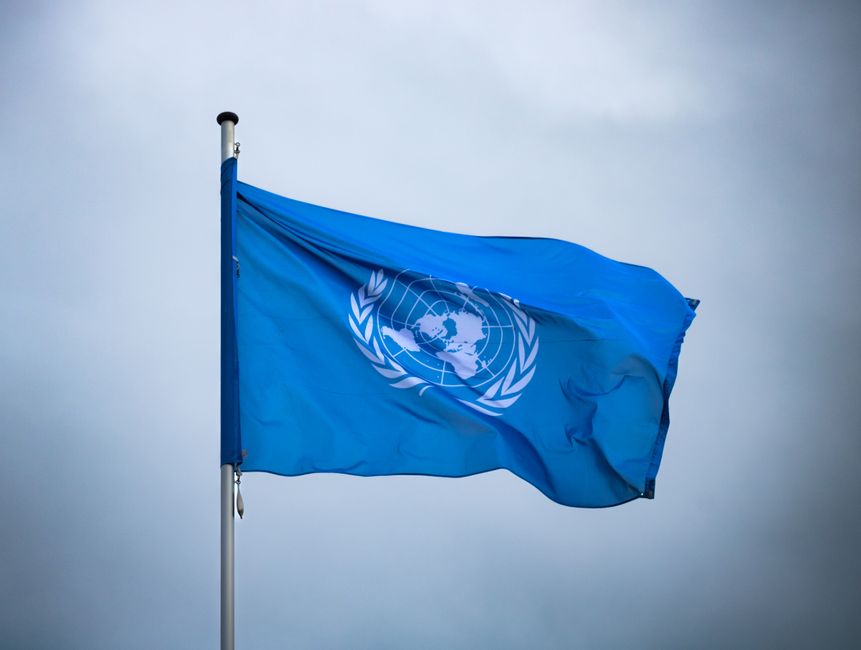
Photo by Niklas Jeromin on Pexels
Formed at the end of World War II, the UNO aimed to prevent future global conflicts.
- Objectives:
- Maintain international peace and security.
- Develop friendly relations among nations.
- Achieve international cooperation in solving global problems (economic, social, cultural, humanitarian).
- Promote respect for human rights and fundamental freedoms.
3. Worked Example
Let's look at India's experience with the British Raj as a key example of Colonialism's impact.
Before the Industrial Revolution, India was known for its fine textiles. However, with Britain's textile mills churning out goods, the dynamic changed. Britain needed raw cotton from India and a market to sell its cheap, machine-made textiles.
- Raw Materials: Indian farmers were often forced to grow cash crops like cotton or indigo instead of food crops, leading to food shortages.
- Markets: British-made textiles flooded the Indian market, destroying India's traditional handloom industry and leaving many Indian weavers jobless.
- Infrastructure: The British built railways in India. While these were presented as development, their primary purpose was to transport raw materials from the interior to ports for shipment to Britain, and then to distribute British manufactured goods throughout India. This system primarily served British economic interests.
- Political Control: Britain gradually took complete political control, exploiting India's resources and manpower for its own benefit, contributing significantly to its industrial growth and wealth.
This example clearly shows the economic drivers of colonialism and its mixed, often devastating, impact on the colonised nation.
4. Key Takeaways
- The Industrial Revolution fundamentally changed production from handmade to machine-made, starting in Britain.
- This revolution created new social classes and led to massive population shifts to cities.
- Industrialised nations sought raw materials and markets, leading to Imperialism and Colonialism in Asia and Africa.
- Imperialism exploited colonies' resources and often suppressed local industries, but sometimes brought new infrastructure.
- Intense competition and rivalries among industrial powers were major causes of the two devastating World Wars.
- World War II led to the rise of two superpowers (USA and USSR) and the Cold War.
- The United Nations was formed after WWII to promote global peace and cooperation.
Common Mistakes to Avoid:
- Don't confuse the Industrial Revolution as just being about new machines; it was a societal transformation.
- Avoid thinking that Imperialism only had negative effects; it also led to some development in colonies, albeit often for the benefit of the colonizers.
- Don't simplify the causes of the World Wars to a single event; they were complex, stemming from long-term rivalries.
- Don't forget the role of nationalism and alliances in leading up to the World Wars.
5. Now Try It
Imagine you are an Indian farmer in the late 19th century. Write a short diary entry (about 100-150 words) describing how the British colonial rule and the influx of factory-made goods have changed your life, focusing on both economic difficulties and any unexpected changes you might observe in your village. Success looks like you've captured some of the challenges and perhaps a few minor changes introduced by the British, from a local's perspective.
Frequently asked about Introduction to the Modern World
Study this next
Get the full class 10th curriculum
Clone the complete plan to your dashboard for unlimited AI-generated notes, practice quizzes, and a personalised revision schedule.
Save this course free