The Early Modern World (c. 1500-1750)
From the History since the 1500s curriculum
The Early Modern World (c. 1500-1750)
TL;DR
The Early Modern period, roughly 1500-1750, saw massive global interconnectedness, major religious shifts, and the rise of powerful, centralized states. Exploration and trade connected continents, while new ideas challenged old authorities. This era laid the groundwork for the modern world.
1. The Mental Model
Think of this period as a global pressure cooker. New technologies and ideas (like gunpowder and the printing press) met new discoveries (like America), causing societies to transform rapidly and often violently. Everything you thought you knew about geography, religion, and power was suddenly up for grabs.
2. The Core Material
The Early Modern World is defined by several interconnected major themes that fundamentally reshaped human societies. It's a bridge between the medieval and the modern.
Global Interconnectedness: The Age of Exploration and Columbian Exchange
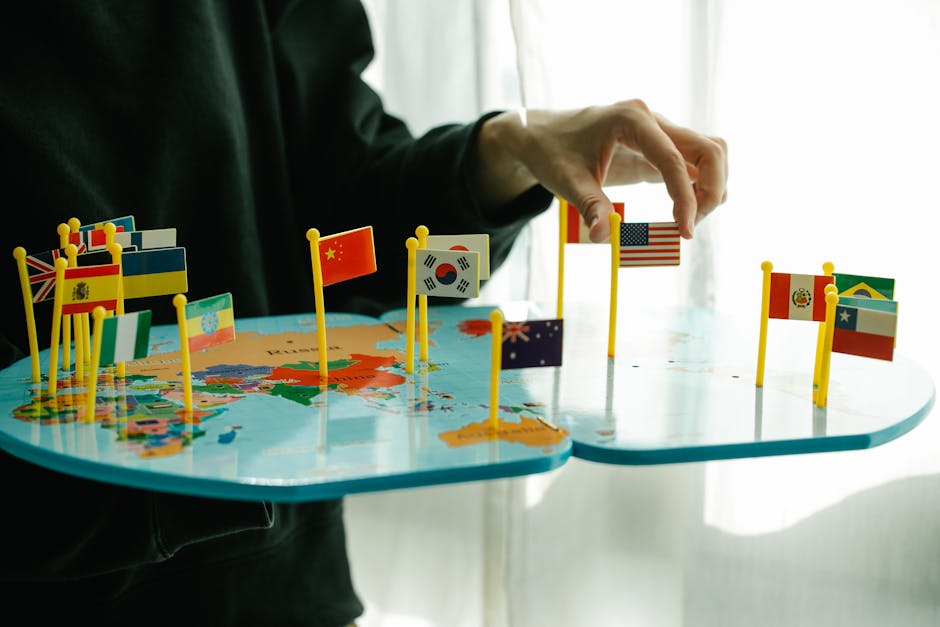
Photo by Lara Jameson on Pexels
From around 1450, European powers (Portugal, Spain, then England, France, Netherlands) launched voyages of discovery. They sought new trade routes, resources, and converts. This led to the "discovery" of the Americas and the establishment of global trade networks. The Columbian Exchange describes the massive transfer of plants, animals, culture, human populations (including enslaved people), technology, and ideas between the Americas, West Africa, and the Old World in the 15th and 16th centuries. This exchange had profound, often devastating, impacts, especially on indigenous populations due to disease.
Religious Upheaval: The Reformation and Counter-Reformation

Photo by Florian Chefai on Pexels
The Protestant Reformation began in 1517 with Martin Luther's challenge to the Catholic Church. This led to a fracturing of Western Christianity, with new Protestant denominations emerging. The Counter-Reformation was the Catholic Church's response, reforming itself and reasserting its doctrines. These religious divisions fueled wars (e.g., the Thirty Years' War, 1618-1648) and political realignments across Europe.
Rise of Centralized States and Absolutism
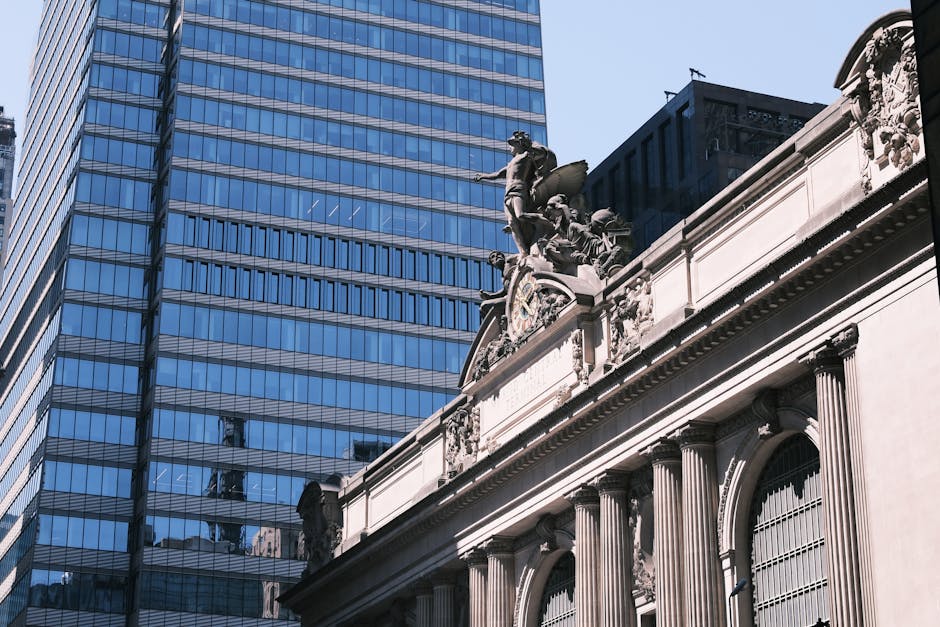
Photo by Mingyang LIU on Pexels
In many parts of Europe, monarchs consolidated power, moving away from decentralized feudal systems. This led to the rise of absolute monarchies, where kings and queens claimed divine right to rule without significant checks on their power (e.g., Louis XIV of France). Stronger states meant larger armies, more effective taxation, and greater control over their populations. Simultaneously, empires expanded in Asia (e.g., Ottoman, Safavid, Mughal) and Russia.
Scientific Revolution and Enlightenment Roots

Photo by Mikhail Nilov on Pexels
The 16th and 17th centuries saw a dramatic shift in how people understood the natural world. Figures like Copernicus, Galileo, and Newton challenged traditional geocentric views and emphasized observation and experimentation. This Scientific Revolution laid the groundwork for the Enlightenment in the 18th century, which emphasized reason, individual rights, and challenged traditional authority in politics and society.
graph TD
    A["Age of Exploration (c. 1450-1750)"] --> B["Columbian Exchange"]
    B --> C["Global Trade Networks"]
    C --> D["Rise of Mercantilism/Colonial Empires"]
    A --> E["Spread of European Influence (and disease)"]

    F["Protestant Reformation (1517)"] --> G["Religious Wars & Divisions"]
    G --> H["Rise of Absolute Monarchies"]
    H --> I["Consolidation of State Power"]

    J["Scientific Revolution (c. 1543-1700s)"] --> K["New Worldviews & Reason"]
    K --> L["Enlightenment Ideas (18th Century)"]

    C & D & I & L --> M["Foundations for Modern World"]
3. Worked Example
Imagine you're a merchant living in Seville, Spain, in 1600. The Age of Exploration and the Columbian Exchange directly impact your daily life. You're no longer just trading with neighboring European cities. Your ships bring back silver from Potosí (in modern-day Bolivia), tobacco from Virginia, and sugar from the Caribbean. In return, you might be sending textiles, olive oil, and wine to the colonies. This influx of wealth (especially silver) is fueling Spain's military and its lavish court, embodying the rise of centralized states, but also causing inflation across Europe. The King, Philip III, rules as an absolute monarch, claiming his power directly from God, a concept reinforced by the Catholic Counter-Reformation in response to the Protestant challenge. Your economic prosperity is directly tied to the global reach of the Spanish Empire.
4. Key Takeaways
- Global connections dramatically expanded due to European exploration, initiating the Columbian Exchange.
- The Protestant Reformation profoundly fractured Western Christianity, leading to widespread religious conflicts.
- Monarchies across Europe consolidated power, leading to the rise of absolute states and larger empires.
- New scientific discoveries challenged traditional understandings of the universe and paved the way for Enlightenment thought.
- This era saw significant transfers of wealth, plants, animals, and diseases between continents.
- The period's developments laid crucial foundations for later revolutions and the modern world.
-
Indigenous populations in the Americas faced catastrophic consequences from European contact, particularly from disease.
-
Common Mistakes to Avoid:
- Thinking the "modern world" instantly appeared; it was a gradual process.
- Underestimating the role of religion in shaping politics and warfare during this time.
- Forgetting the global nature of these changes; it wasn't just a European story.
- Believing all exploration was peaceful or purely for scientific discovery; it was often driven by conquest and resource extraction.
5. Now Try It
Spend 15 minutes mapping out the key cause-and-effect relationships between the Protestant Reformation and the rise of absolute monarchies in at least two different European countries (e.g., France and England). Think about how religious conflict might have strengthened or weakened the power of the monarch in each case, and jot down specific examples. Success looks like having a clear, concise paragraph for each country explaining the connection.
Frequently asked about The Early Modern World (c. 1500-1750)
Get the full History since the 1500s curriculum
Clone the complete plan to your dashboard for unlimited AI-generated notes, practice quizzes, and a personalised revision schedule.
Create Free Account