Food Safety, Hygiene, and Preservation
From the Food and nutrition curriculum
TL;DR
Food safety, hygiene, and preservation are crucial to prevent foodborne illnesses and reduce waste. You need to understand common hazards, practice good hygiene, and use effective preservation methods. This helps keep food safe and extends its shelf life.
1. The Mental Model
Think of food safety as a shield protecting you from invisible threats (like bacteria), hygiene as your personal habits to keep that shield strong, and preservation as strategies to make food last longer without losing its protection.
2. The Core Material
Foodborne illnesses are usually caused by harmful bacteria, viruses, parasites, or chemical contaminants in food. We focus on controlling these agents through proper handling, cleaning, and storage.
Understanding Food Hazards

Photo by Luisa Ximena on Pexels
There are four main types of food hazards:
* Biological: Bacteria (like Salmonella, E. coli), viruses (Norovirus), parasites. These are the most common cause of foodborne illness.
* Chemical: Pesticides, cleaning agents, naturally occurring toxins (e.g., in some mushrooms).
* Physical: Hair, glass, metal fragments, bones.
* Allergenic: Food allergens like peanuts, milk, eggs, soy, wheat, fish, shellfish, and tree nuts. Cross-contamination with allergens is a serious concern.
The "Danger Zone"

Photo by Eduardo Romero on Pexels
Bacteria grow fastest between 5°C and 60°C (41°F and 140°F). This temperature range is called the Danger Zone. Food shouldn't be left in this zone for more than two hours.
Key Hygiene Practices
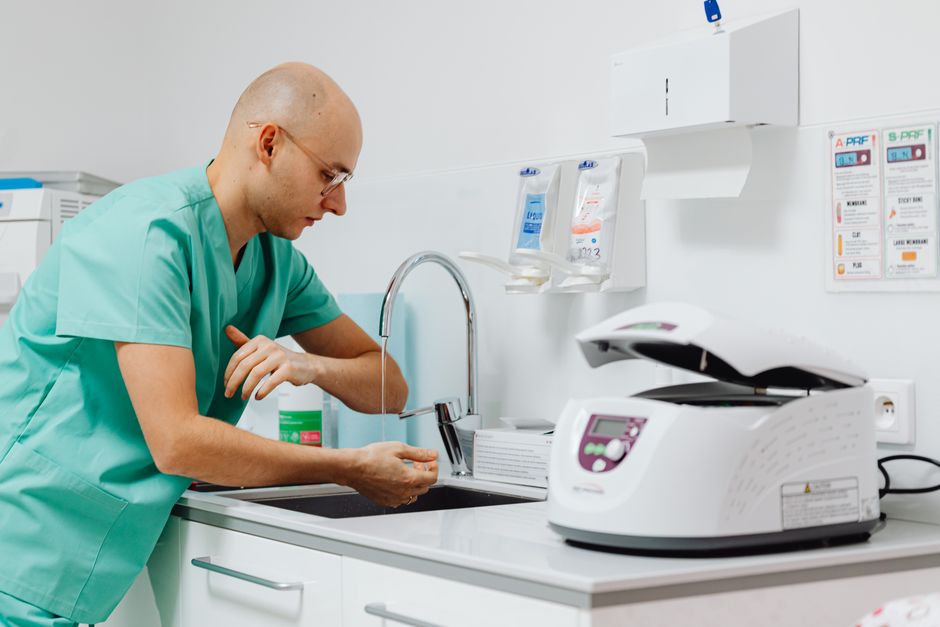
Photo by https://kaboompics.com/ on Pexels
Good hygiene is your first line of defense:
* Handwashing: Always wash your hands thoroughly with soap and warm water for at least 20 seconds before, during, and after handling food.
* Cleanliness: Keep all surfaces, utensils, and equipment clean. Sanitize them regularly, especially after preparing raw meat, poultry, or seafood.
* Separation (Cross-Contamination Prevention):
* Use separate cutting boards for raw meats and ready-to-eat foods.
* Store raw meat, poultry, and seafood on the bottom shelf of the fridge, below other foods, to prevent drips.
* Never use the same plate for raw meat and then for cooked meat without washing it.
Proper Cooking Temperatures

Photo by Olga Lioncat on Pexels
Cooking food to the correct internal temperature kills harmful bacteria. Use a food thermometer!
* Poultry (chicken, turkey): 74°C (165°F)
* Ground meats (beef, pork, lamb): 71°C (160°F)
* Beef, pork, veal, lamb (steaks, roasts, chops): 63°C (145°F) with a 3-minute rest
* Fish: 63°C (145°F)
* Leftovers and casseroles: 74°C (165°F)
Safe Cooling and Storage
- Cooling: Refrigerate perishable foods within two hours. Divide large amounts of hot food into smaller, shallow containers to cool quickly.
- Refrigeration: Keep your fridge at or below 4°C (40°F).
- Freezing: Keep your freezer at or below -18°C (0°F). Freezing stops bacterial growth but doesn't kill all bacteria.
Food Preservation Methods
Preservation extends shelf life by slowing down or stopping the growth of microorganisms and preventing spoilage.
Here's a breakdown of common methods:
graph TD
    A["Food Preservation Methods"] --> B["Temperature Control"]
    B --> B1["Refrigeration (-1°C to 4°C)"]
    B --> B2["Freezing (-18°C or colder)"]
    B --> B3["Heating (Pasteurisation, Sterilisation)"]

    A --> C["Moisture Control"]
    C --> C1["Drying (Dehydration)"]
    C --> C2["Curing (Salt)"]
    C --> C3["Sugaring (Jams, Candies)"]

    A --> D["Acidity Control"]
    D --> D1["Pickling (Vinegar, Fermentation)"]

    A --> E["Atmosphere Control"]
    E --> E1["Vacuum Packing"]
    E --> E2["Modified Atmosphere Packaging (MAP)"]

    A --> F["Chemical Additives"]
    F --> F1["Antioxidants (prevents rancidity)"]
    F --> F2["Preservatives (inhibits microbial growth)"]
- Refrigeration: Slows down microbial growth. Short-term preservation.
- Freezing: Stops microbial growth and enzyme activity. Long-term preservation, but can affect texture.
- Heating (Pasteurisation/Sterilisation): Kills microorganisms. Pasteurisation (e.g., milk) uses lower heat for shorter times, while sterilisation (e.g., UHT milk) uses higher heat to kill all microbes.
- Drying (Dehydration): Removes water, which microorganisms need to grow. Examples: dried fruits, jerky.
- Curing/Sugaring: Uses salt or sugar to draw out moisture and inhibit microbial growth (e.g., cured meats, jams).
- Pickling: Increases acidity (lowers pH) using vinegar or fermentation, creating an environment where most spoilage bacteria can't thrive (e.g., pickles, sauerkraut).
- Vacuum Packing/MAP: Removes oxygen or replaces it with other gases, slowing oxidation and microbial growth.
3. Worked Example
Imagine you're preparing chicken stir-fry.
- Shopping: You bought fresh chicken and vegetables. You stored the raw chicken in a separate bag in the bottom of your fridge.
- Preparation:
- First, you wash your hands.
- You cut the vegetables on a green cutting board.
- Then, you wash your hands again.
- You get out a red cutting board for the raw chicken. You cut the chicken.
- You put the chicken pieces into a bowl. Immediately, you wash the red cutting board, knife, and your hands thoroughly with hot soapy water.
- You stir-fry the chicken until it reaches an internal temperature of 74°C (165°F), checked with a food thermometer.
- You add the vegetables and cook until tender-crisp.
- Serving & Leftovers: You serve the stir-fry immediately. Any leftovers are put into shallow containers and refrigerated within 30 minutes (since it was a small amount, it cooled quickly). You plan to eat them within 3-4 days or freeze them.
This example shows how good hygiene, proper cooking temperatures, and safe cooling/storage are integrated throughout the food preparation process.
4. Key Takeaways
- Always wash your hands and sanitize surfaces before and after handling food.
- Keep raw meats, poultry, and seafood separate from ready-to-eat foods to prevent cross-contamination.
- Cook foods to the correct internal temperatures, using a thermometer to verify.
- Refrigerate or freeze perishable foods promptly to keep them out of the "Danger Zone" (5°C to 60°C).
- Understand that food preservation methods extend shelf life by controlling temperature, moisture, acidity, or oxygen.
- Regular cleaning of your fridge and freezer is part of good food hygiene.
- "Best before" dates are about quality; "use by" dates are about safety. Don't eat food past its "use by" date.
Common Mistakes to Avoid:
- Not washing hands frequently enough, especially after handling raw meat.
- Using the same cutting board or utensils for raw and cooked foods without cleaning them.
- Leaving cooked food out at room temperature for too long.
- Thawing frozen food on the countertop instead of in the fridge, microwave, or under cold running water.
5. Now Try It
For your next meal preparation, consciously apply the "Clean, Separate, Cook, Chill" principles. Before you start, list all the steps you'll take to ensure food safety, from washing your hands to storing leftovers. Pay special attention to avoiding cross-contamination and using a food thermometer if cooking meat. Success looks like you confidently preparing and serving a safe meal, and being able to explain why each step contributed to food safety.
Frequently asked about Food Safety, Hygiene, and Preservation
Study this next
Get the full Food and nutrition curriculum
Clone the complete plan to your dashboard for unlimited AI-generated notes, practice quizzes, and a personalised revision schedule.
Save this course free