Fundamentals of Nutrition and Food Science
From the Food and nutrition curriculum
TL;DR
Nutrition and food science explain what food is made of, how it affects your body, and how we handle it. You'll learn about essential nutrients, how your body uses them for energy and health, and the importance of food safety. Understanding these basics helps you make informed choices for a healthy life.
1. The Mental Model
Think of your body as a complex machine and food as its fuel and building blocks. Nutrition is about understanding what fuel you need and in what amounts, while food science explores the fuel itself – how it's made, processed, and preserved.
2. The Core Material
What is Nutrition?

Photo by Markus Winkler on Pexels
Nutrition is the study of how food and drink affect your body, including growth, repair, and overall health. It covers the nutrients in food and how your body uses them.
Macronutrients: Your Energy Sources
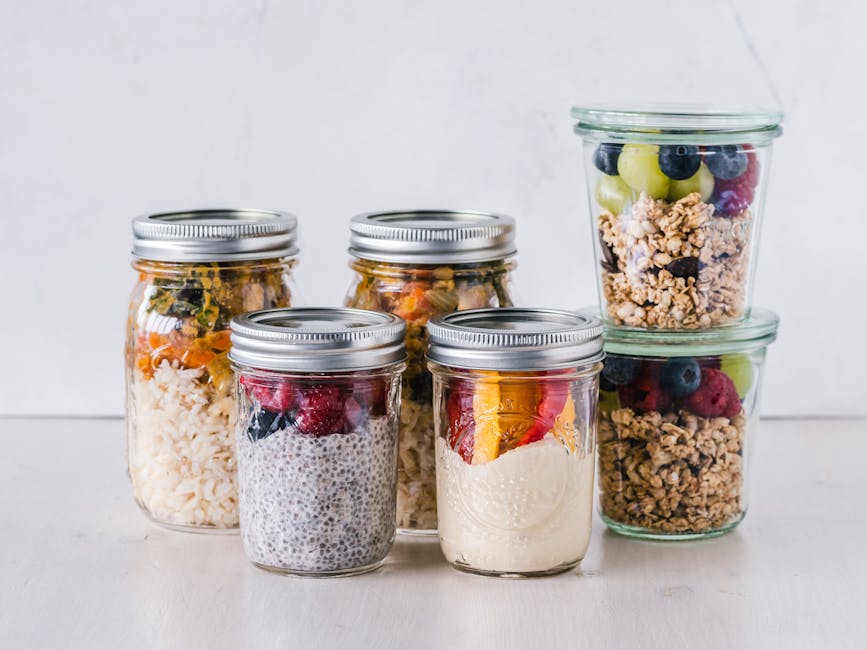
Photo by Ella Olsson on Pexels
Macronutrients are what your body needs in large amounts to provide energy and maintain bodily functions.
- Carbohydrates: Your body's primary energy source. They come in simple (sugars) and complex (starches, fiber) forms. Aim for complex carbs for sustained energy.
- Proteins: Essential for building and repairing tissues, making enzymes and hormones. They're made of amino acids.
- Fats (Lipids): Provide concentrated energy, absorb fat-soluble vitamins, and protect organs. Healthy fats (unsaturated) are crucial.
Micronutrients: Small but Mighty
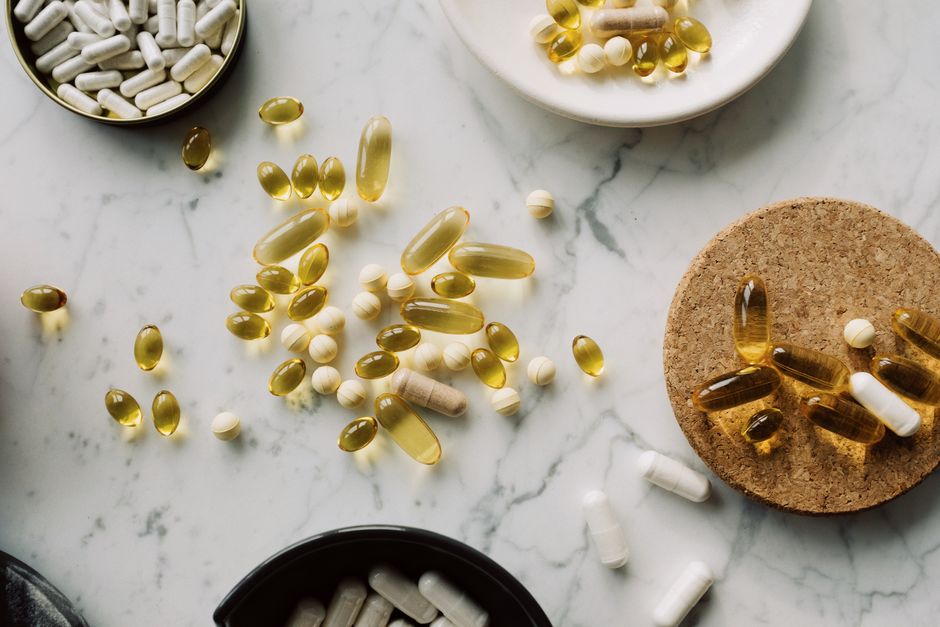
Photo by ready made on Pexels
Micronutrients are needed in smaller quantities but are vital for health, growth, and disease prevention.
- Vitamins: Organic compounds that regulate body processes. They’re either fat-soluble (A, D, E, K) or water-soluble (B vitamins, C).
- Minerals: Inorganic elements necessary for many body functions, like bone health (calcium) and oxygen transport (iron).
Water: The Forgotten Nutrient

Photo by Kai Henne on Pexels
Water is critical for almost every bodily function – it transports nutrients, regulates temperature, and helps remove waste. You can't survive long without it.
What is Food Science?
Food science applies scientific principles to the study of food, from "farm to fork." It covers food processing, preservation, quality control, safety, and nutritional value.
Food Processing and Preservation
These methods help make food safe, extend its shelf life, and often improve its palatability.
- Processing: Changes raw ingredients into food products (e.g., milling grain into flour, making yogurt from milk).
- Preservation: Techniques to prevent spoilage (e.g., refrigeration, freezing, canning, drying, fermentation).
graph TD
    A["Raw Ingredients (e.g., Milk, Wheat, Vegetables)"] --> B{"Food Processing Methods?"}
    B -- "Transform into new product" --> C["Processed Food (e.g., Yogurt, Bread, Canned Soup)"]
    B -- "Extend shelf life" --> D["Food Preservation Methods"]
    D --> E["Safer, Longer-Lasting Food"]
    C --> F["Distribution & Sale"]
    E --> F
    F --> G["Consumer Purchase & Consumption"]
    G --> H["Nutrient Absorption & Health Outcomes"]
Food Safety
Ensuring food is free from harmful contaminants (bacteria, viruses, chemicals) is paramount. Key principles include:
- Clean: Wash hands and surfaces often.
- Separate: Don't cross-contaminate raw and cooked foods.
- Cook: Cook to the right temperature to kill germs.
- Chill: Refrigerate promptly.
3. Worked Example
Let's look at a simple meal: a chicken breast with brown rice and steamed broccoli.
- Chicken Breast: Primarily a source of protein. Protein helps repair muscle tissue after exercise and keeps you feeling full. It also provides B vitamins and minerals like iron.
- Brown Rice: A complex carbohydrate, providing sustained energy. The "brown" part means it's a whole grain, offering fiber which aids digestion and helps control blood sugar. It also has some B vitamins and minerals like magnesium.
- Steamed Broccoli: An excellent source of vitamins (C, K) and minerals (potassium, folate), along with fiber. Steaming helps retain most of its nutrients compared to boiling.
Together, this meal provides a good balance of macronutrients for energy and building blocks, plus essential micronutrients for overall body function. The preparation method (steaming) is a food science application to maintain nutritional quality.
4. Key Takeaways
- Macronutrients (carbs, proteins, fats) provide energy and are needed in large amounts.
- Micronutrients (vitamins, minerals) are vital for regulating body processes, though needed in smaller quantities.
- Water is essential for almost all bodily functions and isn't usually considered a macronutrient.
- Food science covers how food is handled, processed, and preserved to ensure safety and quality.
- Understanding food safety principles is crucial to prevent foodborne illness.
- A balanced diet combines various foods to supply all necessary macronutrients and micronutrients.
- Healthy eating involves choosing whole, unprocessed foods more often and understanding their nutritional impact.
Common Mistakes to Avoid:
- Don't neglect water intake; aim for consistent hydration throughout the day.
- Don't eliminate an entire macronutrient group (e.g., all carbs) without professional guidance, as it can lead to nutrient deficiencies.
- Don't assume "healthy" on a label means it's genuinely good; always check the nutrition facts and ingredients.
- Don't ignore food safety; improper handling can lead to serious illness.
5. Now Try It
For the next 15 minutes, pick three different common foods you eat regularly (e.g., an apple, a can of beans, a slice of pizza). For each, identify its primary macronutrient(s) and at least one key micronutrient. Also, consider one food science aspect, like how it's typically processed or preserved.
Success looks like: For each food, you can name its main energy source (carb, protein, fat), a specific vitamin or mineral it provides, and briefly describe a related food science method (e.g., "Apple: complex carb, Vitamin C, usually eaten raw or processed into juice/sauce").
Frequently asked about Fundamentals of Nutrition and Food Science
Study this next
Get the full Food and nutrition curriculum
Clone the complete plan to your dashboard for unlimited AI-generated notes, practice quizzes, and a personalised revision schedule.
Save this course free