Occupational Health and Hygiene
From the hygiène santé sécurité environnement curriculum
TL;DR
Occupational health and hygiene protect workers from work-related injuries and illnesses by identifying, evaluating, and controlling workplace hazards. It's about creating a safe and healthy work environment through proactive measures. Effective programs reduce risks, improve productivity, and ensure compliance with regulations.
1. The Mental Model
Think of occupational health and hygiene as a shield around workers. This shield isn't just a physical barrier; it's a system that constantly looks for dangers, figures out how bad they are, and then puts up defenses to keep everyone safe and healthy.
2. The Core Material
Occupational health and hygiene focus on preventing harm to workers in their workplace. It covers physical, chemical, biological, ergonomic, and psychosocial hazards. The goal is to anticipate, recognize, evaluate, and control these hazards to create a safe and healthy work environment.
2.1 Hazard Identification

Photo by Griffin Wooldridge on Pexels
This is the first step: finding potential sources of harm in the workplace. This can involve walking through the workplace, reviewing accident reports, getting feedback from workers, and checking material safety data sheets (MSDS) for chemicals.
- Examples of hazards:
- Physical: Noise, vibration, extreme temperatures, radiation, inadequate lighting.
- Chemical: Solvents, acids, dusts, fumes, gases.
- Biological: Bacteria, viruses, fungi, parasites (e.g., in healthcare or agriculture).
- Ergonomic: Repetitive motions, awkward postures, heavy lifting, poor workstation design.
- Psychosocial: Workload, stress, bullying, lack of control.
2.2 Hazard Evaluation
Once hazards are identified, you need to assess the risk they pose. This involves determining:
1. Likelihood: How probable is it that harm will occur?
2. Severity: How serious could the harm be?
Evaluation often involves measurements (e.g., noise levels, chemical concentrations) and comparing them to established exposure limits or standards.
2.3 Hazard Control
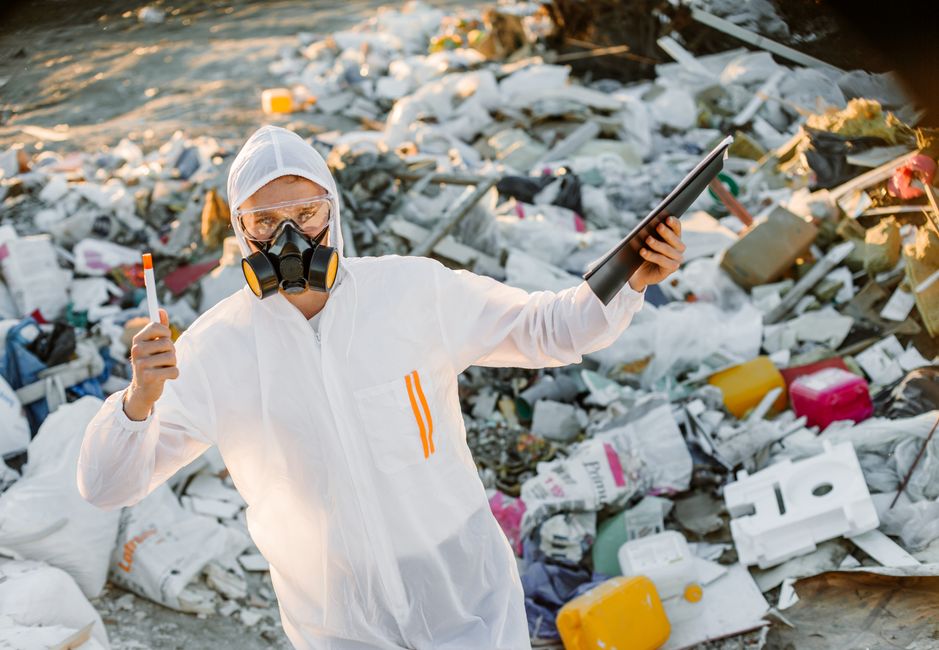
Photo by Gustavo Fring on Pexels
This is where you implement measures to eliminate or reduce the risks. The Hierarchy of Controls is a key concept here, prioritizing control methods from most effective to least effective:
graph TD
    A["Elimination (Remove the hazard completely)"] --> B["Substitution (Replace the hazard with a safer alternative)"]
    B --> C["Engineering Controls (Isolate people from the hazard)"]
    C --> D["Administrative Controls (Change the way people work)"]
    D --> E["Personal Protective Equipment (PPE) (Protect the worker with equipment)"]
- Elimination: Removing the hazard entirely (e.g., redesigning a process so a dangerous chemical is no longer needed).
- Substitution: Replacing a hazardous material or process with a less hazardous one (e.g., using water-based paint instead of solvent-based paint).
- Engineering Controls: Modifying the workplace or equipment to reduce exposure (e.g., ventilation systems, machine guarding, noise enclosures).
- Administrative Controls: Changing work practices or procedures (e.g., job rotation, safe work procedures, training, scheduling work to reduce exposure time).
- Personal Protective Equipment (PPE): Providing workers with equipment to protect them (e.g., safety glasses, gloves, hard hats, respirators). PPE is the last line of defense.
2.4 Health Surveillance
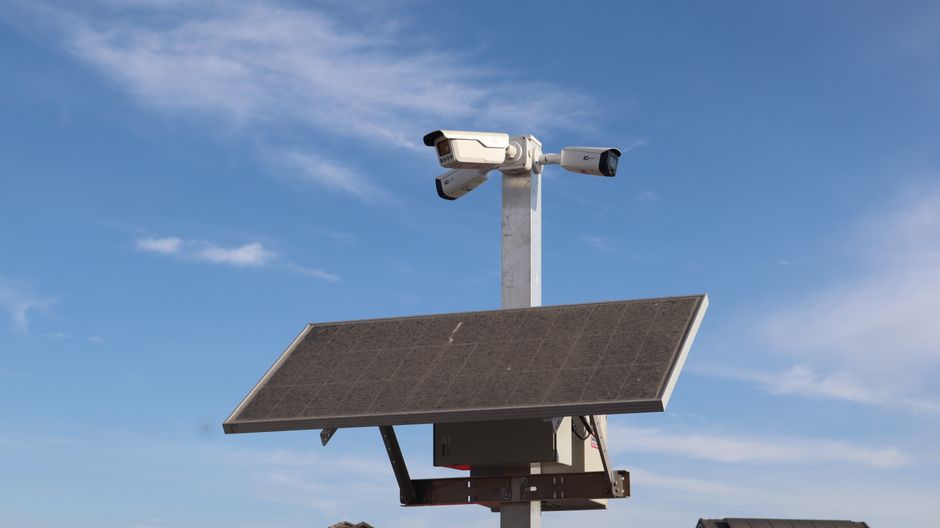
Photo by D Goug on Pexels
Monitoring workers' health to detect early signs of work-related illness and ensure the effectiveness of control measures. This can include regular medical examinations, biological monitoring, and audiometric testing for noise exposure.
2.5 Training and Education
Workers must be aware of the hazards in their workplace, the risks involved, and how to protect themselves. This includes training on safe work procedures, emergency responses, and the correct use of PPE.
3. Worked Example
Imagine you're managing a small woodworking shop where employees cut, sand, and finish wooden furniture.
1. Hazard Identification:
* Physical: Noise from saws and sanders, dust from wood, risk of cuts.
* Chemical: Solvents from lacquers and varnishes, adhesives.
* Ergonomic: Repetitive sanding, awkward postures when lifting large pieces.
2. Hazard Evaluation:
* Noise levels are measured and found to exceed permissible exposure limits.
* Air sampling shows wood dust concentrations are too high.
* MSDS for finishes indicate respiratory and skin irritation risks.
3. Hazard Control (applying the Hierarchy):
* Elimination/Substitution:
* Could a less hazardous finish be used (e.g., water-based stain instead of solvent-based lacquer)? (Substitution)
* Engineering Controls:
* Install sound-dampening enclosures around noisy machinery.
* Implement local exhaust ventilation (LEV) systems at sanding stations to capture dust and chemical fumes at the source.
* Automate repetitive tasks where possible (e.g., a robotic sander for large batches).
* Administrative Controls:
* Rotate workers between noisy and quiet tasks to limit noise exposure.
* Implement a written safe operating procedure for each machine.
* Provide specific training on chemical handling and dust control.
* Schedule regular cleanups to minimize dust accumulation.
* PPE:
* Require hearing protection (earplugs or earmuffs) in designated noisy areas.
* Provide N95 respirators for dust and chemical fumes.
* Ensure safety glasses for all cutting and sanding tasks.
* Supply chemical-resistant gloves for handling finishes.
4. Key Takeaways
- Occupational health and hygiene are about proactively preventing work-related harm.
- The process involves identifying, evaluating, and controlling workplace hazards systematically.
- The Hierarchy of Controls (Elimination > Substitution > Engineering > Administrative > PPE) is crucial for effective risk reduction.
- Continuous monitoring of both the workplace and workers' health is essential.
- Worker training and engagement are vital components of a successful program.
- It's a dynamic field; hazards and controls need regular review and updating.
- Compliance with regulations isn't just a legal requirement; it saves lives and improves well-being.
5. Now Try It
Imagine you're tasked with improving safety in a small bakery. They use large ovens, mixers, and regularly lift heavy sacks of flour.
- Identify at least two specific hazards for each category: physical, chemical, biological, and ergonomic.
- For one specific hazard you identified, propose at least two control measures following the Hierarchy of Controls (e.g., one engineering, one administrative).
Success looks like clearly listing hazards with a brief explanation and then demonstrating how you'd apply the hierarchy to reduce risk for a chosen hazard, explaining why your proposed controls are effective.
Frequently asked about Occupational Health and Hygiene
Study this next
Get the full hygiène santé sécurité environnement curriculum
Clone the complete plan to your dashboard for unlimited AI-generated notes, practice quizzes, and a personalised revision schedule.
Save this course free